


Valve has acknowledged that the Steam Deck OLED is selling out in select markets because the supply chain for memory and storage is strained. The company says availability will vary by region, with the US seeing the tightest supply and other territories still receiving intermittent restocks.
What Valve Is Saying About Steam Deck OLED Supply
On the Steam Deck store page, Valve notes that the OLED models may be unavailable at times due to shortages of RAM and flash storage. That lines up with what buyers are seeing: every OLED configuration is currently marked out of stock in parts of North America, while units continue to pop in and out of availability in the UK and other regions.
- What Valve Is Saying About Steam Deck OLED Supply
- Why Memory Is Suddenly the Bottleneck for Steam Deck OLED Supply
- Regional Stock Gaps and Soaring Resale Prices
- Handheld Makers Feel the Same Pinch from Memory Supply
- What Buyers Can Do Right Now to Avoid Price Markups
- Outlook for the Next Steam Deck OLED Restock Cycle
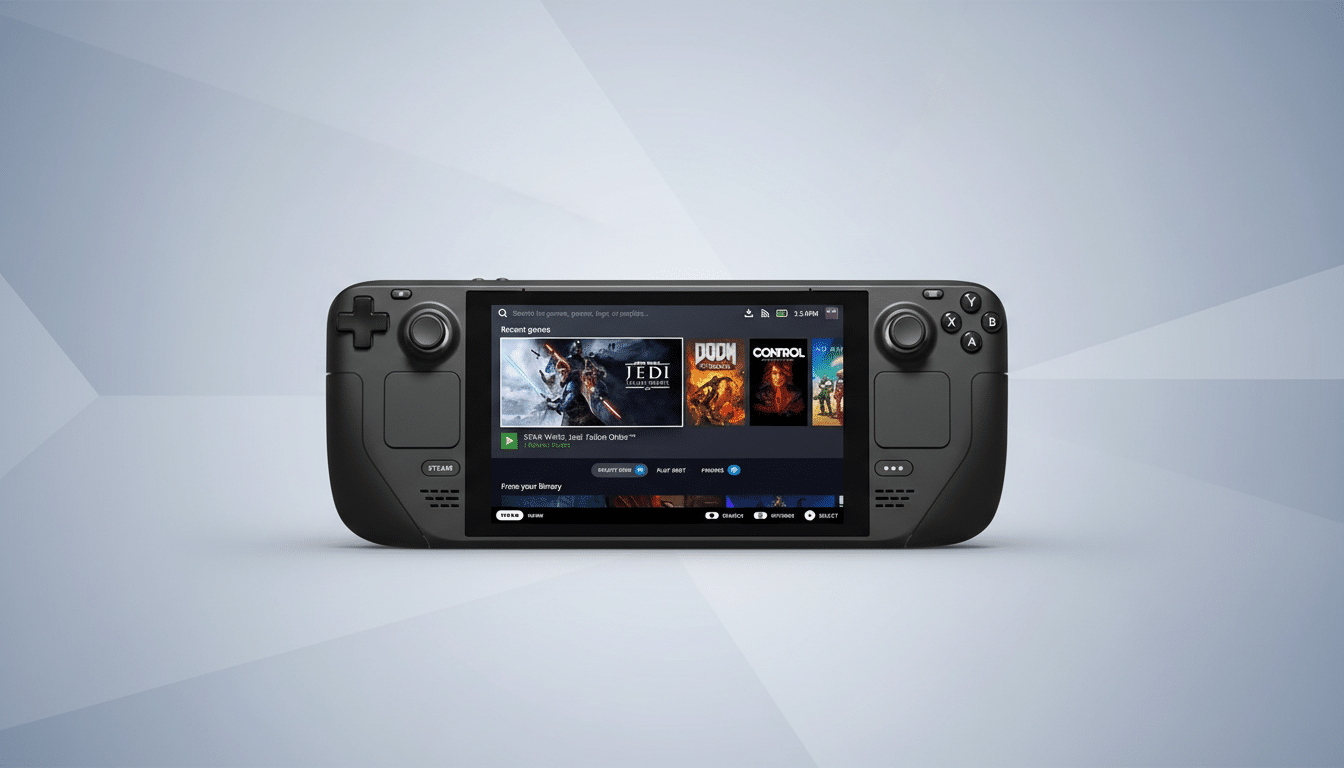
The mismatch stems from regional allocations and staggered shipments. When component pipelines tighten, manufacturers typically prioritize orders based on commitments made months prior, logistics constraints, and the expected pace of local sell-through.
Why Memory Is Suddenly the Bottleneck for Steam Deck OLED Supply
The Steam Deck OLED relies on LPDDR5 system memory and NVMe solid-state storage—two components at the heart of today’s supply squeeze. Memory makers have redirected part of their production capacity to high-bandwidth memory (HBM) for AI servers, constraining output of conventional DRAM types used in handhelds and laptops. At the same time, NAND flash suppliers have kept supply disciplined after last year’s slump, pushing prices higher as demand rebounded.
Analysts at TrendForce reported double-digit quarterly increases in DRAM contract prices through 2024 as AI demand pulled on upstream supply, and they tracked similarly sharp climbs for NAND. Those dynamics don’t just raise bill-of-materials costs—they can also elongate lead times on lower-margin products like handheld consoles and compact 2230 NVMe drives commonly used in portable devices.
In short, the same forces making datacenter accelerators plentiful are making everyday LPDDR and small-form-factor SSDs harder to get on predictable schedules.
Regional Stock Gaps and Soaring Resale Prices
Inventory asymmetry is feeding a familiar secondary-market spike. In the US, third-party listings for the Steam Deck OLED have climbed well above MSRP, with some sellers asking north of $1,000 for models that officially retail around $549 for 512GB and $649 for 1TB. That kind of arbitrage typically appears when retailers can’t guarantee steady replenishment windows and buyers are wary of missing the next drop.
Elsewhere, the picture is less dire. UK storefronts, for instance, have shown periodic availability across configurations, reflecting how channel partners in each region draw from different purchase orders and logistics hubs.
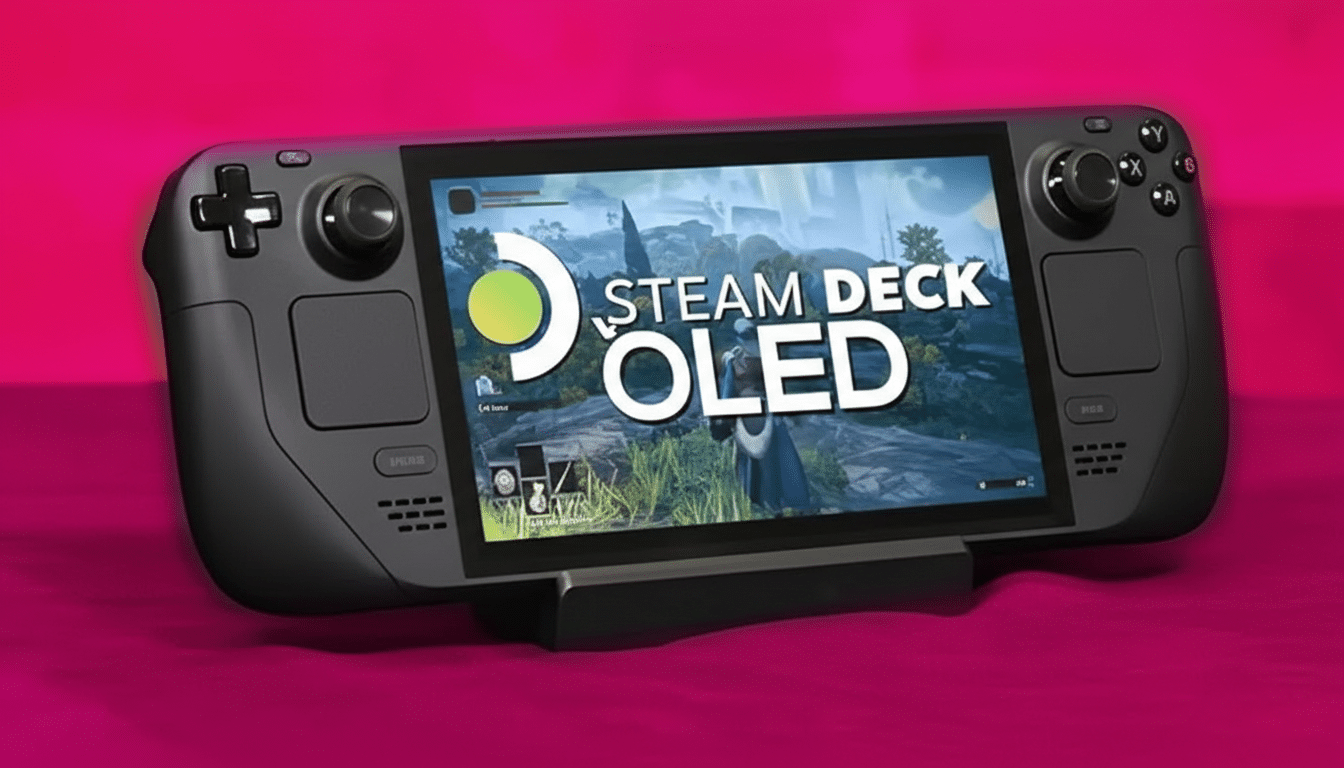
Handheld Makers Feel the Same Pinch from Memory Supply
Valve isn’t alone. Boutique handheld brands and thin-and-light laptop vendors are navigating the same headwinds. Several Windows-based handheld makers have cited memory costs in recent pricing adjustments, and some PC OEMs have trimmed promotional activity on higher-memory SKUs to protect margins while supply stays tight.
Industry researchers at IDC and Counterpoint have flagged component availability—particularly DRAM and NAND—as a swing factor for portable computing forecasts, noting that AI-fueled memory demand can ripple down to consumer categories more than a quarter later.
What Buyers Can Do Right Now to Avoid Price Markups
If you’re set on the Steam Deck OLED, the most reliable move is to sign up for restock alerts in your region and avoid paying scalper markups. Availability has been sporadic rather than gone entirely, and shipments tend to arrive in waves.
Those who don’t need OLED right away can consider the remaining LCD models where they’re still listed, or lean on microSD expansion as a stopgap. The Deck supports fast UHS-I cards, and while they won’t match NVMe speeds for heavy installs, they’re more than serviceable for many titles. For advanced users, the Steam Deck family employs an M.2 2230 NVMe slot for internal storage; just verify compatibility and thermals before attempting any upgrade.
Outlook for the Next Steam Deck OLED Restock Cycle
Memory market projections suggest volatility could persist until bit supply growth catches up and HBM capacity expansions free more lines for mainstream DRAM. TrendForce has previously indicated that pricing momentum in DRAM and NAND tends to ease only after several quarters of investment and inventory normalization.
Practically, that means Steam Deck OLED stock is likely to remain choppy in the near term, with region-by-region pockets of availability. When units do land at MSRP, they’ll move quickly. If you’re price sensitive, patience and official alerts are your best levers; if you’re timing-sensitive, be prepared to act as soon as listings switch from “out of stock” to “add to cart.”
The bottom line: Valve’s handheld isn’t disappearing—it’s competing for the same finite pool of DRAM and NAND everyone else is. As supply smooths out, so will the cart button.