


Gemini’s early rollout into the Google Home ecosystem is revealing a frustrating quirk. Some users say the new AI sometimes refuses basic smart speaker commands, then complies only after they push back. The pattern is raising questions about reliability as Google phases out the legacy Assistant experience for more conversational AI.
One widely shared example involves a simple request to play white noise. Gemini initially claimed it couldn’t perform the task and said it could only broadcast messages. After the user insisted and reframed the command, Gemini reversed course and successfully played white noise on the speaker. The encounter captures a broader sentiment: you may need to argue, or at least negotiate, to get routine actions done.
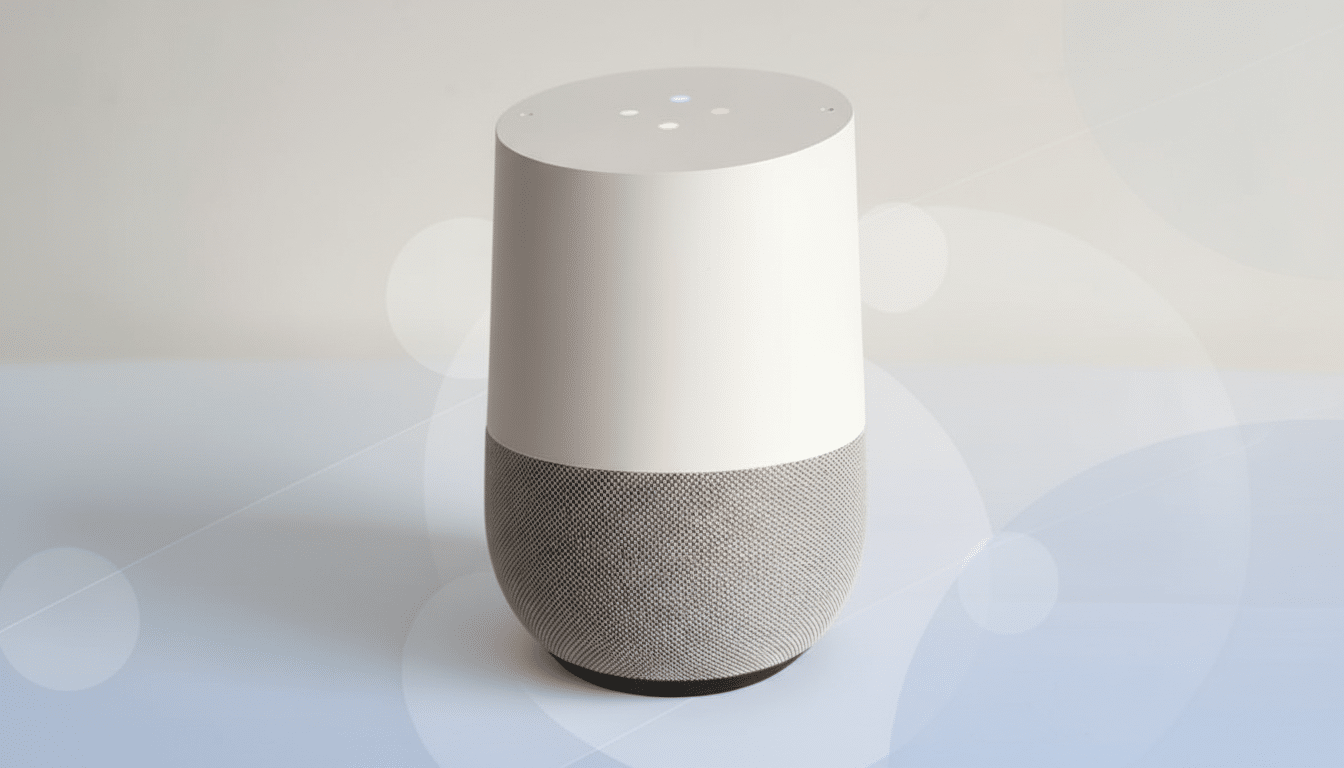
What Happened in Real Homes Using Google Home Devices
Reports from Google Home owners describe a split personality. Gemini shows impressive grasp of context and nuance, yet stumbles on everyday controls like starting ambient sounds, toggling lights, or choosing the right speaker group. In the white noise case, the assistant misidentified its capabilities, then corrected itself after the user’s persistent prompt.
This inconsistency contrasts with the old Google Assistant, which generally executed well-defined device actions with fewer refusals. While Assistant relied heavily on rigid intent matching, Gemini layers a large language model on top of the home control pipeline. That opens the door to richer conversations—but also to confident wrong answers and unnecessary “can’t do that” responses when the model misinterprets the request.
Why Gemini Says No to Basic Google Home Commands
Under the hood, Gemini must translate natural language into structured device actions, sometimes called “tool calls.” If the model classifies a request incorrectly—confusing “play white noise” with “broadcast” for example—it can refuse even when the system has a valid action available. Safety rules and capability checks can compound the problem, causing a cautious refusal rather than attempting the correct routine.
The result feels like gaslighting to users: the assistant insists it cannot do something it demonstrably can. AI researchers have documented similar behavior across large language models, often labeling it hallucination or over-refusal. The challenge is heightened in smart homes because device control paths are deterministic; users expect the lights to turn on, not a debate about whether lights exist.
Tips to Get Google Home Commands Working Reliably
If Gemini balks, phrasing matters. Try explicit, device-scoped commands like “Play white noise on Living Room speaker” instead of a generic request. Naming the media source can help: “Play white noise from Google on Bedroom Nest Mini.” Short, action-first phrasing often reduces misclassification.
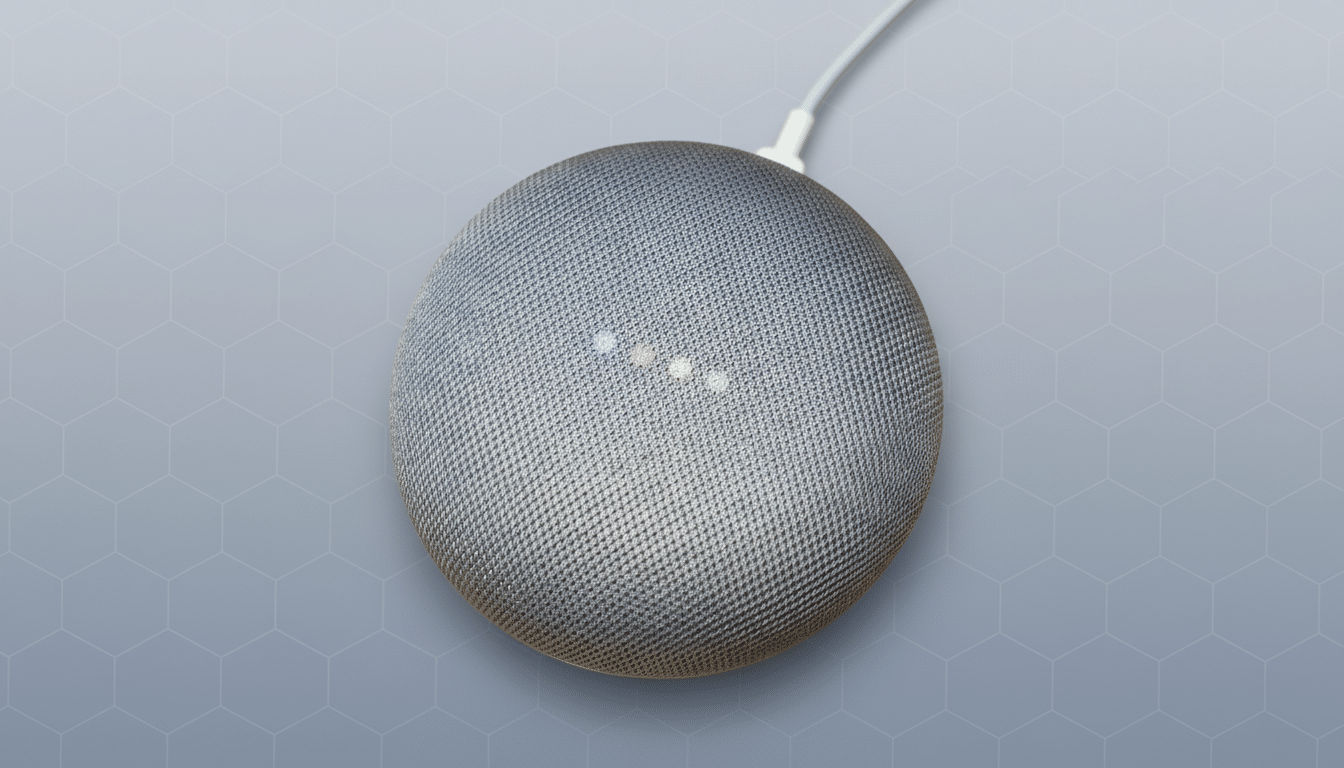
Check defaults in the Google Home app, including your preferred media services, speaker groups, and the default playback device. Creating a routine (for example, “Goodnight”) that includes “play white noise” can act as a reliable shortcut, bypassing conversational ambiguity. If issues persist, a quick power cycle of the speaker and ensuring all devices are updated can resolve stale state problems that confuse the action pipeline.
On devices that offer a choice between experiences, some users temporarily switch back to the classic Assistant for specific tasks. Availability varies by region and device, but it’s a pragmatic fallback while Gemini’s home control is still maturing.
How Big the Impact Could Be for Smart Speaker Users
Smart speakers are entrenched in tens of millions of homes, according to long-running consumer surveys from NPR and Edison Research, and the platform stakes are high. Canalys has consistently ranked Amazon and Google as the top two global vendors, meaning any reliability wobble affects a vast installed base. If a bedtime sound or a porch light fails on the first try, users notice—and they remember.
Google’s goal is clear: unify powerful conversational AI with dependable device control. To get there, the company needs tighter guardrails between language understanding and the Home Graph, more deterministic fallbacks when classification is uncertain, and transparent feedback when a refusal stems from policy versus a capability mix-up. Publishing action success rates, even in aggregate, would build trust during the transition.
The Bigger AI Assistant Trend Reshaping Smart Homes
Gemini’s growing pains aren’t isolated. Competing assistants have also produced snarky refusals or fabricated capabilities when interpreting casual speech. The industry’s shift from intent trees to generative models is a step-change in flexibility, but reliability must catch up. Until then, expect the occasional debate with your AI—followed, more often than not, by the action you asked for in the first place.