


Increasing reports of aggressive battery drain are coming in from owners of Samsung Galaxy Rings, who are claiming that they’re now only getting a few hours out of their smart rings instead of a few days. The problem seems to be happening fairly consistently across community forums, and while there was one high-profile case of an inflated cell, most complaints center on abrupt and unexplained power loss that’s turning the product into a bit of a non-starter for sleep and wellness monitoring.
Threads on Reddit and Samsung’s own community pages describe the same symptoms, where a ring that could previously last for several days starts dropping precipitously, sometimes accompanied by a charging case that suddenly isn’t keeping up a reserve.
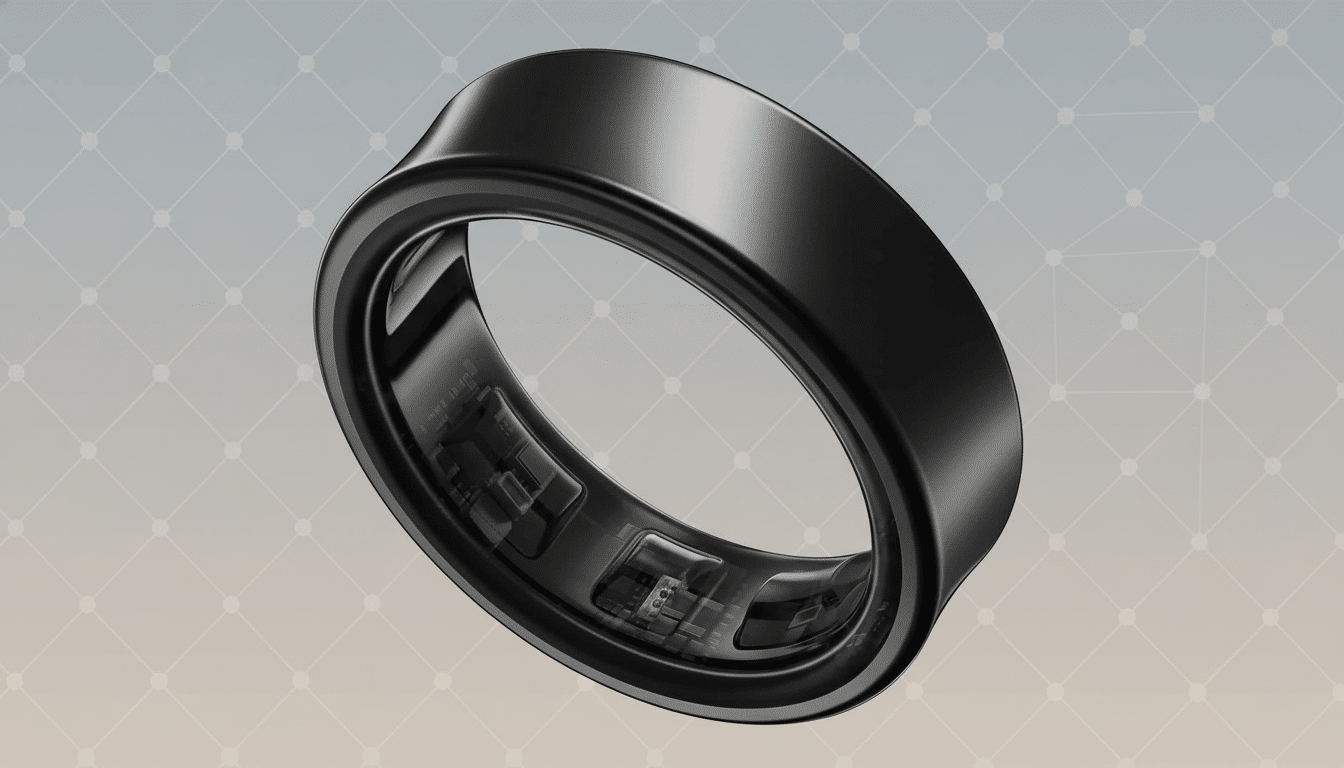
Owners in several anecdotes have seen the battery ticking down by around 1% every few minutes when the decline begins.
Users are complaining of severe battery drain
Among early adopters, there is a honeymoon period with close to weeklong battery life that precedes a sudden plummet. Some are reporting that their Galaxy Ring dropped to under a day of endurance from what’s normally several days, with a few reporting sub–4-hour run times. Some report the case draining way too quickly and what they say reeks of problems other than (but possibly still including) the ring.
It’s not a phenomenon confined to one area. Foreign buyers tell the same stories of a quick drain and uneven service. Some users have had warranty claims approved, and one attributed the issue to a dodgy battery. But plenty tell of long support loops and delays in replacements, with some saying that replacements were marked as out of stock even while retail stock was on display.
Complicating the discussion is another safety scare involving a prominent technology reviewer whose ring, he said, swelled in size and had to be removed at a hospital. Though that case seems to be a bit of an outlier, it highlights why owners are keeping such a close eye on how batteries are behaving.
Samsung responds to complaints and offers support
Community moderators have already responded to complaints about the battery and directed affected owners to troubleshooting tips, error reports through Samsung Members, authorized service centers, and so on. Users have experienced a mix of responses: some got quick replacements or refunds, while others endured diagnostic processes and shipping back-and-forths that stretched out without answers.
The device is sold by the company as a low-maintenance wellness tracker with multi-day battery life. That promise is at the heart of the appeal of this form factor. Once charge life falls to hours, sleep tracking and readiness metrics — the very features buyers like me want most — are impractical.
Potential reasons range from firmware to hardware
Owners are speculating about triggers. Some are pointing fingers at a recent firmware update or app that in turn upped sampling frequency for things like heart rate, skin temperature, and movement — driving power draw. Others, however, blame a lack of Bluetooth stability leading to constant reconnection attempts and overly frequent radio activity.
Hardware factors also come into play. For example:
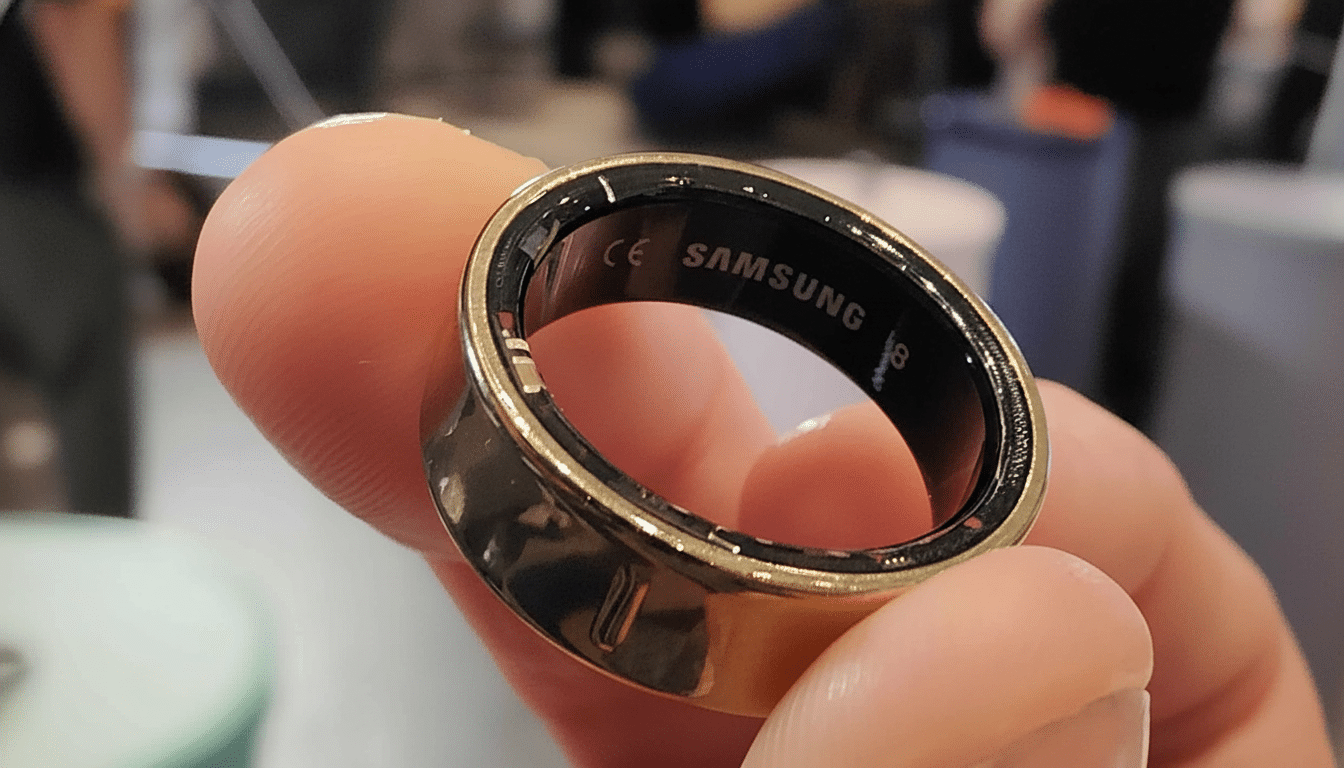
- A charging case behaving incorrectly
- Debris on the pogo pins
- Calibration issues that leave the ring undercharged even when it reports full
Lithium-ion chemistry does not respond well to heat or repeated shallow top-ups; in a small battery cell such as that found in a smart ring, even slight degradation can have an outsize impact on capacity. Obviously, a percentage fall into the battery failure category, which matches up with a number of warranty claims.
This reported swelling event, although infrequent, serves as a reminder that precise surveillance and timely support contingencies should be in place when the energy system exhibits anomalous behavior for body-worn systems.
What Galaxy Ring owners can try now to reduce drain
Some users have reported partial success with these steps:
- Clean the charging contacts.
- Seat the ring carefully in the case and do a full cycle — discharge to low single digits (1% or below), then charge uninterrupted up to 100%.
- Reboot the phone.
- Unpair and re-pair the ring.
- Check for firmware updates through Samsung Health and Samsung Members.
- If the drain persists, capture logs immediately and report through Samsung’s error reporting mechanisms.
Ways to decrease load include:
- Turning off continuous SpO2 sensing at night
- Discontinuing skin temperature tracking
- Setting a longer sample rate for heart rate readings
- Pausing auto workout detection
- Reducing Samsung Health background activity
- Avoiding manual syncs too frequently, which may help avoid inconsistent power usage
For warranty claims, keep records of:
- Time-stamped battery screenshots
- Estimates of drain rates (whether rough or precise)
- Behavior specific to the charging case
- Any error messages displayed while attempting to charge
Consumers in places with strong legal protections could have even more leverage, such as the ability to pursue remedies under Europe’s expansive safeguards, where batteries are usually warranted against early failure. If a replacement gets stuck, ask for escalation and a case number, and seek a refund if that is an option under local policy.
Why it’s important for smart ring adoption
Smart rings win on discretion and convenience. They do not have to be a watch and are supposed to offer all-day and all-night tracking capabilities with minimal charging. Competitors such as Oura and RingConn tout multi-day endurance as a baseline expectation. If Galaxy Ring devices continue to see sudden drain, it could dent user confidence in the segment and Samsung’s overall health ecosystem.
The way forward is clear but pressing: a transparent root-cause explanation, firmware updates (or app updates if software is responsible), and proactive swaps where hardware is to blame. Before that, potential buyers should closely monitor community feedback, and current owners suffering from quick drain should report to support while preserving diagnostic data to smooth the service process.