


Procurement teams and engineers should be aware of the universal testing machine price before they evaluate mechanical testing solutions. This is not only a matter of figures but rather of how features, capacity and specialisation of application impact the price.
Universal Testing Machines (UTMs) are crucial for evaluating the mechanical performance of materials such as plastics, rubber, metals, composites and textiles. They are used in tensile, compression, bending and shear testing in controlled conditions and deliver effective analysis of material behaviour needed for quality, compliance and design validation.
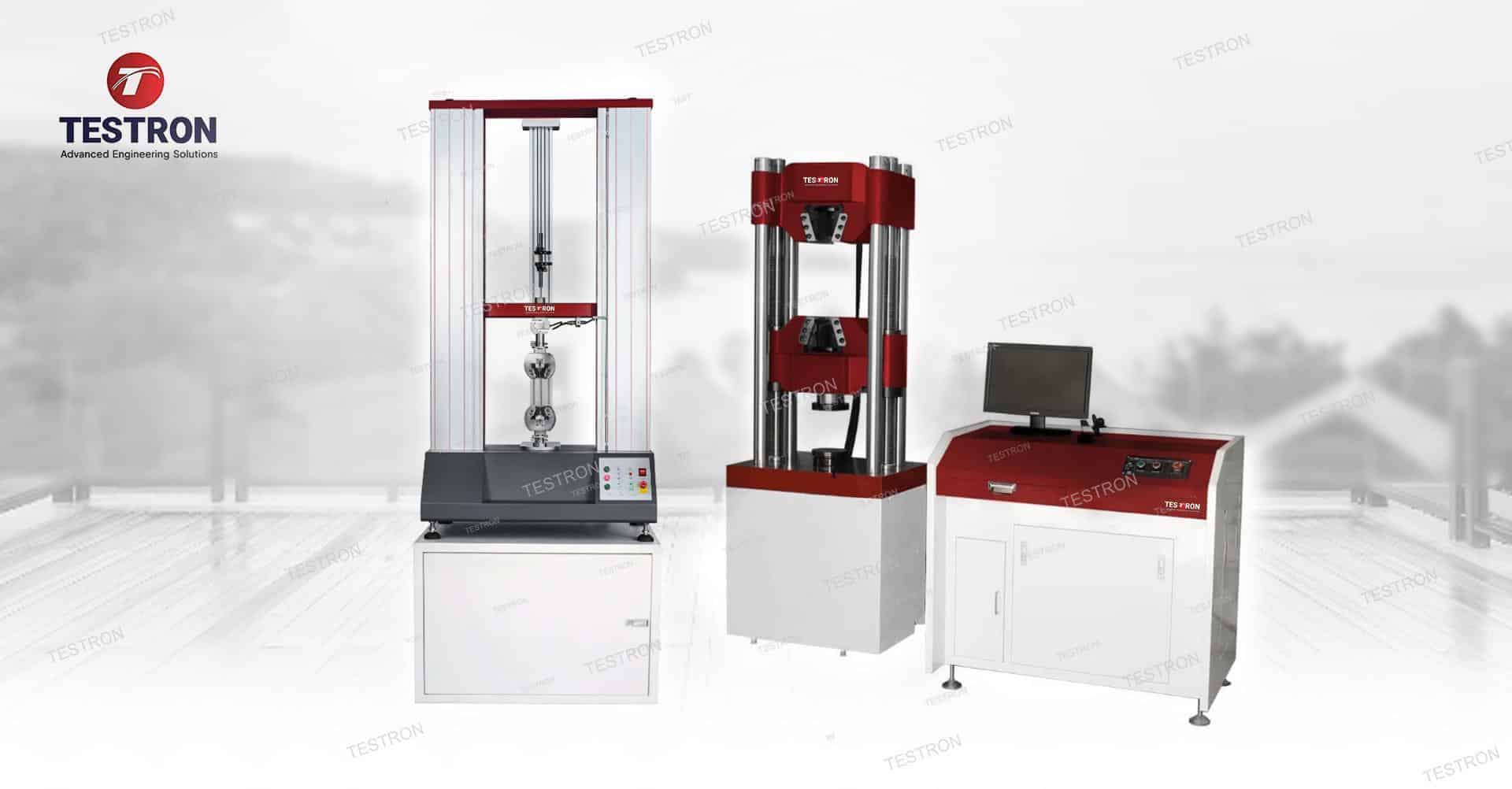
In this guide we explore what drives pricing, how to select the right model for testing and the common universal testing machine models available for different testing needs.
What is a Universal Testing Machine?
A universal testing machine is a device that applies a set amount of known forces on a material sample and records the material response, such as deformation, tensile strength and modulus. Thanks to this versatility, the tensile testing machine category includes machines that can test tension, compression and other such load tests.
Practically, a UTM analyses the behaviour of a material under controlled stress and gives data-based outputs that help manufacturers and laboratories to assess safety, compliance and design integrity.
What Determines Universal Testing Machine Price?
1. Load Capacity and Structural Design
A key factor for universal testing machine price is load range. Systems with a lower load capacity and lighter frames are usually cheaper. On the other hand, heavy-duty units used for higher load capacity need reinforced frames that are a bit costly.
2. Electromechanical vs. Electro-Hydraulic Systems
UTMs use different force application technologies. Electro-hydraulic systems generally provide higher power and smoother control for heavy-duty testing; this influences the universal test machine price relative to purely servo-electric models.
3. Software & Control Features
When you use advanced software for automated testing, reporting, compliance workflows and real-time analytics, you should be ready for extra costs.
4. International Standards & Calibration
Machines built to comply with ASTM, ISO, and DIN standards often incur higher costs. Certified calibration and enhanced accuracy protocols contribute meaningfully to the universal tensile testing machine price.
Types of Universal Testing Machine Models
Universal Testing Machines are sold in a variety of configurations to fit specific testing requirements:
1. Single Column Universal Testing Machines
These machines are good for low-force tensile and compression testing of plastics, rubber and other such lightweight components. These are small systems that are economical and widely used in quality control laboratories.
2. Dual Column Universal Testing Machines
These are engineered to withstand higher load capacities and structural stability. These models are used in the testing of metals, fasteners and building materials and they are commonly used across industries and research environments.
3. Computer-Controlled UTMs
These systems have complex software to do automated testing, data analysis and report generation. These systems are mostly used when consistency and traceability become vital.
While these UTMs are sufficient for most mechanical testing, some organisations may also need dedicated testings such as hardness testing, where they will also have to consider universal hardness testing machine price depending upon different parameters.
Popular Universal Testing Machine Models
The following are some of the most popular universal testing models each developed to serve various application scales and industrial needs. All units are designed for robust tensile and multi-mode testing.
1. TT-EU0050 50KN Servo Electronic Universal Material Testing Machine
Compact yet capable, this model is suited for quality control labs and small to medium material testing scenarios.
2. TT-DC0005 5KN Bench-top Double Column Universal Testing Machine
Bench-scale double-column model that delivers accurate results for small components, fasteners, plastics, and rubber.
3. TT-DC0010 10KN Bench-top Double Column Universal Testing Machine
High-precision small-force tester with automatic data processing and standard compliance for detailed material inquiries.
4. TT-SC5000 5KN Bench-top Single Column Universal Testing Machine
A space-efficient single-column machine that provides reliable testing for a range of media including wires, plastics, and packaging materials.
How to Choose the Right Universal Testing Machine Model
Choosing the right UTM involves much more than comparing UTM machine price tags. Here are critical considerations for making a confident, technically sound decision:
1. Define Test Requirements
Identify materials that you test the most and the forces that should be measured. Higher load limits increase the tensile test equipment price, but also expand capability.
2. Match to Industry Standards
Ensure that the model chosen embraces ASTM, ISO or any other standard that you need for your quality protocols.
3. Consider Software and Reporting Capabilities
Advanced data analysis, output flexibility, and automation capabilities prime your operation for greater efficiency.
4. Plan For Long-Term Growth
A machine that accommodates additional fixtures or higher capacity is a more valuable addition in the long-term than one too narrowly suited to meet the demands at present.
5. Consult Experts and Trial Before Purchase
Free trials/demos would greatly reduce the risk and ensure that you get a machine that would meet your requirements in your lab facility.
Balancing Universal Testing Machine Price& Its Long-Term Value
The tensile tester price is only part of the story. Calibration, software upgrades, maintenance and service support are also included in the total cost of ownership. By investing in quality hardware and guaranteed after-sales support you can ensure the measurements stay accurate throughout decades of testing periods.
Today’s UTMs are not simply force applicators; they are data hubs that integrate with quality systems and digital workflows. Choosing wisely helps teams standardise material testing, reduce scrap, and increase product reliability. Making the right decision helps teams to standardise material testing, reduce scrap and improve the reliability of the products.
In fact, the global material testing market itself was valued at around USD 6.73 billion in 2024 and is forecast to grow to nearly USD 8.94 billion by 2032, which shows the rise in adoption of testing equipment and quality standards in the various sectors.
Conclusion
The ability to determine the cost of a universal testing machine across all the geographic marketplaces allows procurement specialists and engineers to base their equipment choices more wisely. Load capacity, control systems and compliance are all elements that contribute to the overall pricing and performance.
To discuss your material testing needs, contact us at the Testron Group and explore options aligned with your quality assurance objectives.