


Understanding the warning signs of predatory behavior can help people recognize potentially harmful situations and take steps to protect themselves and others. While predators can come from different backgrounds and may use different tactics, many display patterns of manipulation, control, and boundary violations that should not be ignored.
Most people would like to believe they could easily spot someone with harmful intentions. In reality, predatory behavior is often subtle at first. Individuals who engage in this type of conduct frequently work to gain trust before revealing their true motives.
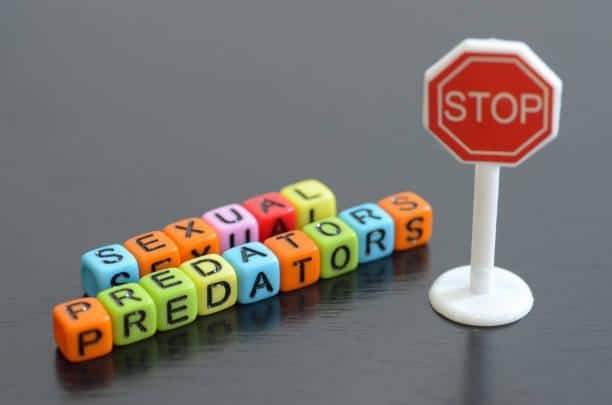
That is why learning the signs of a predator can be so important. Recognizing early warning signs may help prevent emotional, financial, or physical harm and encourage people to trust their instincts when something feels wrong.
Predators Often Move Too Fast
One common warning sign is an attempt to create a close relationship very quickly.
A predator may:
- Push for personal information early
- Demand excessive attention
- Claim an unusually strong connection
- Encourage secrecy
At first, this behavior may seem flattering. However, moving too fast can be a way to establish influence before trust has been genuinely earned.
Healthy relationships generally develop over time and allow both individuals to become comfortable at their own pace.
They Ignore Personal Boundaries
Respect for boundaries is a key part of any healthy relationship. Predatory individuals often test limits to see how much they can get away with.
This may include ignoring requests, pressuring someone into uncomfortable situations, or dismissing concerns when boundaries are clearly expressed.
What starts as a small violation can gradually become more serious if the behavior is not challenged.
Manipulation Is Often a Major Red Flag
Predators frequently rely on manipulation rather than honest communication.
They may use guilt, fear, sympathy, or emotional pressure to influence someone’s decisions. In some cases, they portray themselves as victims to gain trust or avoid accountability.
The goal is often to make the other person question their own judgment or feel responsible for the predator’s actions and emotions.
They Try to Isolate People
Isolation is another tactic commonly associated with predatory behavior.
Rather than encouraging healthy relationships with friends and family, a predator may attempt to create distance between a person and their support system.
For example, they may criticize loved ones, create conflict, or suggest that nobody else truly understands the relationship.
Over time, isolation can make it harder for someone to seek advice or recognize unhealthy behavior.
Their Actions do not Match Their Words
People occasionally make mistakes, but consistent differences between words and actions deserve attention.
A person may promise honesty, respect, or support while repeatedly behaving in ways that contradict those claims.
Paying attention to actions rather than promises can provide a more accurate picture of someone’s intentions.
Trust is built through consistent behavior, not simply through convincing words.
They Look for Vulnerabilities
Predatory individuals often seek out people who may be going through a difficult period in life.
This could include someone experiencing:
- Grief
- Financial hardship
- Loneliness
- Relationship problems
- Major life changes
Offering support during a vulnerable time is not inherently wrong. The concern arises when someone uses that vulnerability to gain control, influence, or personal benefit.
They Resist Accountability
When confronted about inappropriate behavior, predators often avoid taking responsibility.
Instead of acknowledging concerns, they may:
- Shift blame to others
- Minimize the issue
- Deny obvious facts
- Accuse others of overreacting
This pattern can make it difficult to resolve conflicts and may allow harmful behavior to continue.
Trust Your Instincts
Sometimes the most important warning sign is a persistent feeling that something is not right.
People often notice subtle behaviors that create discomfort long before they can clearly explain why. While instincts should not replace facts, they should not be dismissed either.
If someone’s behavior consistently makes you feel uneasy, it may be worth slowing down, seeking outside perspectives, and paying closer attention to the situation.
Key Takeaways
- Predatory behavior often begins with subtle manipulation.
- Moving a relationship forward too quickly can be a warning sign.
- Healthy boundaries should be respected at all times.
- Isolation from friends and family is a common tactic.
- Actions often reveal more than words.
- Predators may target people during vulnerable periods of life.
- Refusing to accept responsibility is a significant red flag.
- Trusting your instincts can help you recognize potentially harmful situations.