


Dealing with allegations of fraud can harm the perception and operations of an individual or business. While fraud is a general term used to refer to intentional deception by a person to gain benefits from another, it can be classified into two categories: civil and criminal fraud.
The aim of this classification is not to make light of the offense but to differentiate between them based on their nature and the punishment. Here, we discuss the distinction between civil and criminal fraud in the state of Ohio.
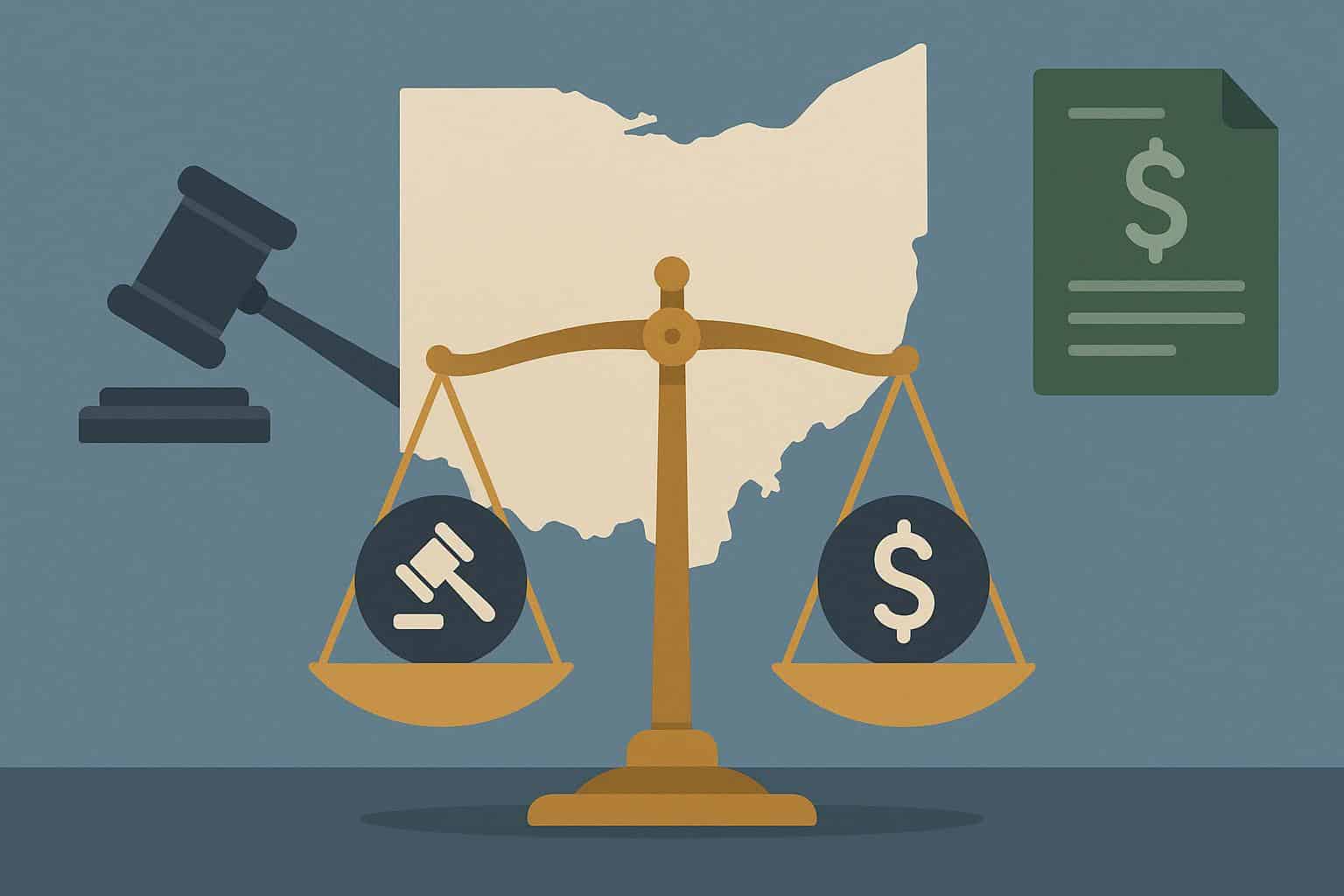
What Does Criminal Fraud Entail?
The State of Ohio prosecutes criminal fraud through a county prosecutor or the Ohio Attorney General’s Office. The state’s interest is in protecting the public and upholding the law. “Criminal fraud is considered an offense against society, even when the victim is a private individual or business,” says Ohio criminal defense lawyer Andrew H. Stevenson from Andrew H. Stevenson Attorney at Law, LLC.
Examples of criminal fraud in Ohio include insurance fraud, credit card fraud, identity theft, securities fraud, mortgage fraud, and welfare fraud. Each of these offenses is defined under specific provisions of the Ohio Revised Code, and penalties vary based on the severity of the act and the financial value involved.
What is the Legal Standard of Proof in Criminal Fraud?
As with other criminal cases, the legal standard of proof in a criminal fraud case is that of proof beyond a reasonable doubt, which points solely to the accused as the one who committed the fraud. Considering the severe punishment associated with criminal fraud, such as imprisonment, it is not surprising that it attracts the highest standard of proof in the legal system.
What Does Civil Fraud in Ohio Entail?
Civil fraud differs from criminal fraud in that its primary goal is not to punish the accused, but to restore the victim to the position they were in before the wrongdoing occurred. Primarily, it happens when an individual or corporation intentionally deceives another individual or corporation for their benefit. Here, the affected party then initiates a civil suit against the accused person to rectify the wrong done.
Civil fraud can be found in everyday transactions, such as contractual agreements, real estate transactions, and business dealings among individuals and businesses.
The Legal Standard of Proof in Civil Fraud
In a civil fraud case, the burden of proof is lower than in a criminal case, as it is generally based on the balance of probabilities. The plaintiff must establish fraud by a preponderance of the evidence, meaning it is more likely than not that fraud occurred. The legal standard of proof used in a criminal fraud case is why, despite losing a criminal fraud case, victims can still institute a civil case and win.
Civil defendants do not face imprisonment but may be required to pay compensatory damages to reimburse victims for their losses, and in some cases, punitive damages intended to deter similar misconduct in the future.
Remedies and Outcomes
In Ohio, courts handling civil fraud claims can award monetary damages or equitable remedies, such as rescission of contracts or injunctive relief, which mandates the accused to cease carrying out the specified act. For example, a court may void a fraudulent agreement and restore the parties to their original positions before the contract’s execution.
While criminal cases aim to protect the public interest, civil cases focus on restoring fairness between individuals and businesses. The two proceedings can run concurrently; however, a criminal conviction can significantly strengthen the victim’s civil claim for damages.
Conclusion
Clearly, the difference between criminal and civil fraud lies in its purpose and the penalty that it attracts. While one is viewed as an offense against the state and treated as such, the other is handled as a civil case between the parties involved.
However, considering the impact a verdict of fraud can have on your personality or business, you have to take its allegations very seriously. If you are dealing with a criminal or civil fraud case, now is a good time to contact an attorney in Ohio for immediate help.