


When the Heart Can No Longer Heal Itself
Heart failure is one of the most serious and emotionally overwhelming diagnoses a person can receive. For many patients, medications and lifestyle changes offer meaningful relief for years. But for others, the heart deteriorates to a point where no conventional treatment can restore adequate function. At that stage, a heart transplant becomes not just an option — it becomes a lifeline. Understanding what this journey entails, from candidacy evaluation to long-term recovery, is essential for patients and their families who are navigating this difficult path.
Who Is a Candidate for a Heart Transplant?
Not every patient with heart failure qualifies for a transplant. The evaluation process is thorough and multidisciplinary, involving cardiologists, transplant surgeons, psychologists, social workers, and other specialists. Physicians look for patients who have end-stage heart failure — typically classified as Class III or Class IV on the New York Heart Association scale — and who have not responded adequately to all other available treatments.
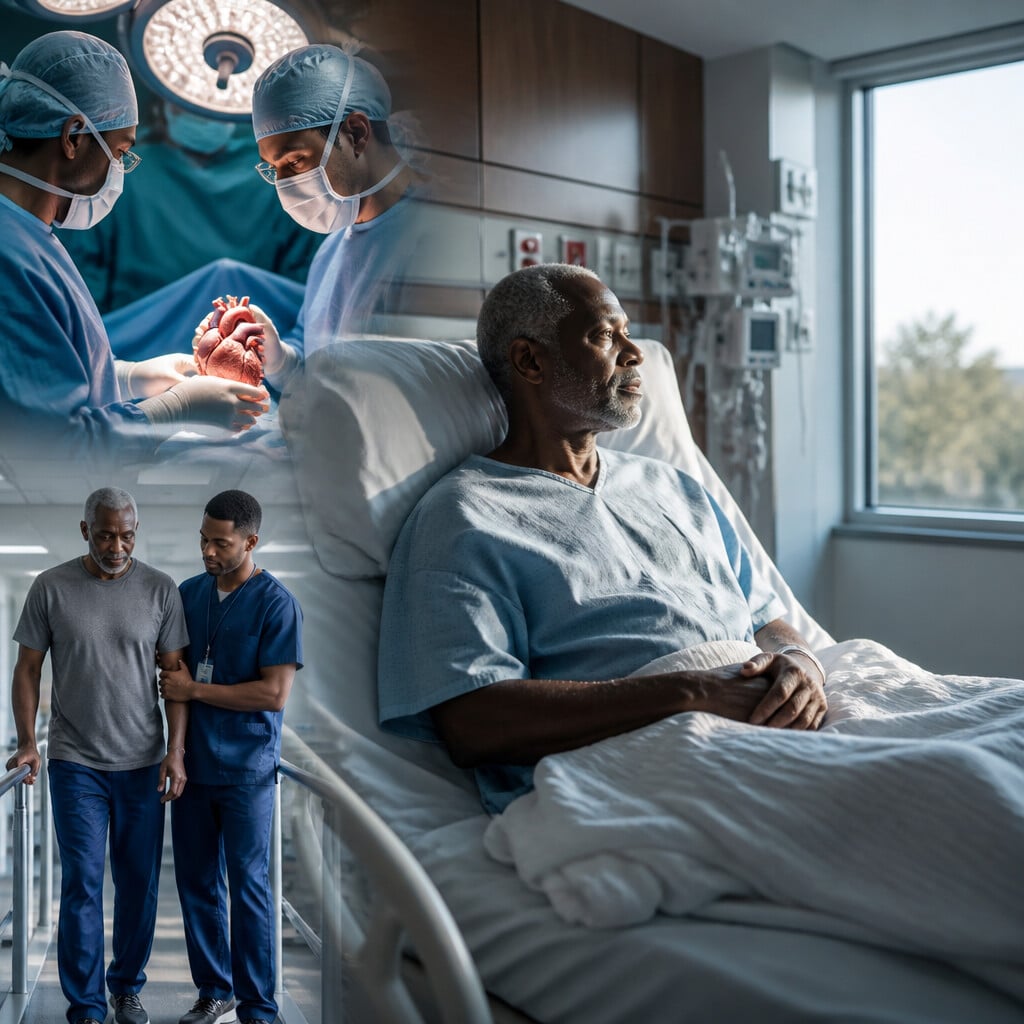
Candidacy also depends on the absence of conditions that could compromise the success of the procedure. Severe kidney or liver disease, active infections, uncontrolled diabetes, and certain cancers may disqualify a patient. Age is considered, though it is not an absolute barrier. The goal is to identify individuals who are sick enough to need a transplant but healthy enough to survive the surgery and the demanding recovery that follows.
The Waiting Period: A Test of Patience and Resilience
Once a patient is listed for a heart transplant, the waiting period begins. This phase can last weeks, months, or even longer, depending on blood type, body size, geographic location, and the urgency of the patient’s condition. During this time, patients are closely monitored and may require hospitalization or mechanical support devices to keep the heart functioning. The emotional toll of waiting cannot be underestimated — anxiety, uncertainty, and the physical burden of advanced heart failure combine to create an extraordinarily stressful experience for both patients and their loved ones.
The Surgery Itself: What Happens in the Operating Room
A heart transplant is one of the most complex surgical procedures in modern medicine. The operation typically lasts between four and eight hours. The patient is placed on a cardiopulmonary bypass machine, which takes over the functions of the heart and lungs while surgeons remove the diseased heart and carefully connect the donor organ. The precision required is extraordinary — every vessel must be sutured correctly to ensure the new heart receives adequate blood flow and begins beating on its own.
Immediately after surgery, patients are transferred to an intensive care unit where they are monitored around the clock. The first 48 to 72 hours are critical. The body must accept the new heart, and the medical team watches closely for any signs of rejection, infection, or complications related to the bypass machine.
Rejection: The Ongoing Challenge After Transplant
The immune system is designed to attack foreign material — and a transplanted heart, despite being life-saving, is recognized as foreign. Rejection is one of the most significant risks following a heart transplant, and it can occur at any time, even years after the procedure. To prevent this, patients must take immunosuppressive medications for the rest of their lives. These drugs suppress the immune response enough to protect the new heart while still allowing the body to fight off infections.
Regular biopsies of the heart tissue are performed in the months following surgery to detect early signs of rejection. Patients are also educated to recognize symptoms such as fatigue, shortness of breath, fever, and reduced exercise tolerance, all of which may indicate that the body is mounting an immune response against the donor organ.
Recovery, Rehabilitation, and the Road Back to Life
Recovery from a heart transplant is a long and structured process. Most patients spend one to three weeks in the hospital after surgery, followed by several months of outpatient follow-up. Cardiac rehabilitation plays a central role in rebuilding strength, endurance, and confidence. Patients work with physiotherapists, dietitians, and mental health professionals to restore their quality of life gradually and safely.
It is worth noting that consistent and structured medical follow-up significantly strengthens recovery outcomes, regardless of the nature of the procedure. For transplant patients, this principle is especially true — missing appointments, skipping medications, or ignoring symptoms can have life-threatening consequences. Adherence to the prescribed care plan is not optional; it is the foundation of long-term survival.
Dispelling Common Myths About Transplantation
Despite decades of progress, heart transplantation remains surrounded by misconceptions. Some patients fear that a transplant means trading one illness for another. Others believe that the surgery is too risky to consider or that the quality of life afterward will be severely limited. In reality, the majority of heart transplant recipients report significant improvements in their daily functioning, energy levels, and overall well-being. For a broader perspective on how the transplant community has worked to address these concerns, this informative resource on dispelling transplantation myths offers valuable insight into how medical science continues to evolve and educate.
World-Class Heart Transplant Care in the Region
For patients in the Middle East and beyond, access to internationally accredited transplant programs has expanded significantly in recent years. Cleveland Clinic Abu Dhabi stands at the forefront of this development, offering a comprehensive heart and lung transplant program staffed by globally trained specialists. Patients seeking heart transplant Abu Dhabi services benefit from the same clinical protocols and expertise associated with one of the world’s most respected medical institutions, delivered within a state-of-the-art facility designed to meet the highest international standards.
The program encompasses every phase of the transplant journey — from initial evaluation and waitlist management to surgery, post-operative care, and long-term follow-up. Multidisciplinary teams collaborate to ensure that each patient receives individualized attention, and the facility is equipped to handle even the most complex cases with precision and compassion.
Life After a Heart Transplant: A New Beginning
The years following a successful heart transplant can be remarkably fulfilling. Many recipients return to work, travel, exercise, and engage in activities they had long abandoned due to their illness. Survival rates have improved dramatically over the past two decades, with many patients living ten, fifteen, or even twenty or more years after their transplant. The key to longevity lies in vigilance — maintaining medication schedules, attending all follow-up appointments, living a heart-healthy lifestyle, and communicating openly with the transplant team about any changes in health.
Conclusion
A heart transplant is not the end of a story — it is the beginning of a new chapter. For patients who have exhausted other options and face the prospect of end-stage heart failure, transplantation offers a genuine opportunity for renewed life. The journey is demanding, requiring courage, commitment, and access to exceptional medical care. With the right team, the right support, and the right mindset, patients can emerge from this experience not merely surviving, but truly living.