


Starting a business in a stable, well-regulated jurisdiction is a priority for many entrepreneurs and international investors. Cyprus has steadily gained attention due to its strategic location, EU membership and business-friendly legal framework. For individuals exploring cyprus company registration, it is important to understand the legal structure, compliance requirements and long-term responsibilities involved before making a decision.
Why Cyprus Attracts International Businesses
Cyprus acts as a bridge between Europe, the Middle East and North Africa. Its geographic position, combined with a transparent legal system based on English common law, makes it appealing to foreign business owners.
- Why Cyprus Attracts International Businesses
- Common Types of Companies in Cyprus
- Legal Requirements for Company Formation
- Step-by-Step Overview of the Registration Process
- Taxation Basics in Cyprus
- Compliance and Ongoing Obligations
- Banking and Financial Considerations
- Industries Commonly Operating from Cyprus
- Risks and Practical Considerations
- Final Thoughts
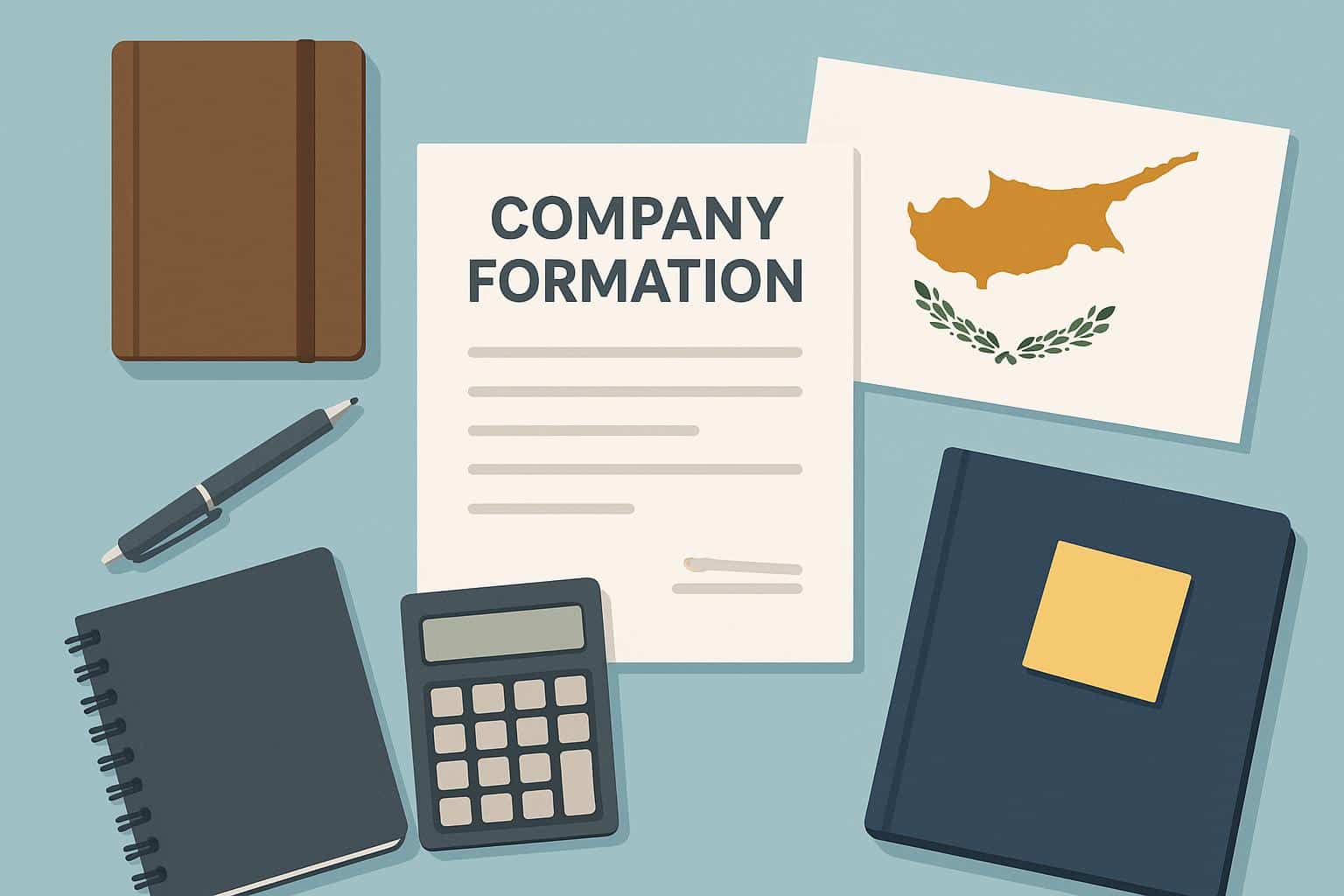
Some key factors that draw entrepreneurs include:
- Membership in the European Union
- Access to EU trade and financial markets
- A regulated corporate environment
- Strong professional services sector
These advantages make Cyprus suitable for holding companies, trading businesses, technology firms and service-based enterprises.
Common Types of Companies in Cyprus
Before registering a business, it is essential to choose the correct legal structure. Cyprus offers several options, but a few are more commonly used.
Private Limited Company (Ltd)
This is the most popular structure for small and medium-sized businesses. It offers limited liability protection and flexibility in ownership.
Key features include:
- Separate legal identity
- Liability limited to share capital
- Can be owned by one or more shareholders
Branch of a Foreign Company
Foreign companies may operate in Cyprus through a registered branch. This option is often chosen by established businesses expanding into the EU market.
Partnerships and Sole Proprietorships
While available, these structures are less common for international investors due to unlimited liability and fewer tax planning options.
Legal Requirements for Company Formation
Cyprus company formation is regulated by the Companies Law, Cap. 113. The process is structured but relatively straightforward for both local and foreign investors.
Understanding the legal framework and procedural expectations outlined at https://www.icon.partners/ can help entrepreneurs avoid common mistakes and ensure proper compliance with local regulations.
Minimum Requirements
To register a private limited company, the following are required:
- At least one shareholder
- At least one director
- A company secretary
- A registered office address in Cyprus
Shareholders and directors can be individuals or legal entities and do not need to be Cyprus residents.
Step-by-Step Overview of the Registration Process
Understanding the typical steps involved can help entrepreneurs plan more effectively and avoid unnecessary delays.
Name Approval
The proposed company name must be approved by the Registrar of Companies. Names that are misleading or too similar to existing businesses are usually rejected.
Preparation of Legal Documents
This includes:
- Memorandum of Association
- Articles of Association
These documents define the company’s purpose and internal governance rules.
Submission and Registration
Once approved, the documents are submitted to the Registrar. Upon successful registration, the company receives:
- Certificate of Incorporation
- Certificate of Directors and Shareholders
- Registered Office Certificate
Taxation Basics in Cyprus
Cyprus operates a transparent tax system that complies with EU and OECD standards.
Corporate Tax
- Corporate income tax is charged on net profits
- Cyprus maintains one of the lower corporate tax rates within the EU
Value Added Tax (VAT)
Companies engaging in taxable activities may need to register for VAT. Registration thresholds depend on turnover and the nature of business operations.
Double Tax Treaties
Cyprus has an extensive network of double taxation treaties, which can help reduce tax exposure for companies operating across borders.
Compliance and Ongoing Obligations
Registering a company is only the first step. Ongoing compliance is essential to maintain good standing with authorities.
Annual Filings
Companies are required to:
- Submit annual returns
- Prepare audited financial statements
- Maintain accurate accounting records
Economic Substance Requirements
Certain business types must demonstrate real economic activity in Cyprus, such as local employees, physical offices or management presence.
Failure to meet these requirements can result in penalties or deregistration.
Banking and Financial Considerations
Opening a corporate bank account in Cyprus involves due diligence and compliance checks. Banks typically request:
- Incorporation certificates
- Proof of business activity
- Identification of beneficial owners
Due to international compliance standards, the account opening process may take time, particularly for non-resident shareholders.
Industries Commonly Operating from Cyprus
Cyprus supports a wide range of industries, including:
- International trade and logistics
- Shipping and maritime services
- Technology and software development
- Intellectual property holding
- Professional and consultancy services
Each industry may require additional licensing or regulatory approvals.
Risks and Practical Considerations
While Cyprus offers many advantages, it may not suit every business model. Entrepreneurs should carefully assess:
- Ongoing compliance costs
- Economic substance obligations
- Banking timelines
- Long-term operational needs
Seeking professional guidance can help ensure the company structure aligns with legal and commercial objectives.
Final Thoughts
Cyprus remains a reputable and structured jurisdiction for company formation due to its legal clarity, EU access and regulatory stability. However, successful company setup depends on informed planning and ongoing compliance.
Entrepreneurs who understand the framework and responsibilities are better positioned to establish sustainable and compliant operations in Cyprus.