


Ever think about your cells? Probably not. But they’re there. Working. Every second. Some carry oxygen, some fight infections, some… just keep everything running. Scientists can now peek inside this tiny world. They can see what’s really happening. With tools like cell sorting by flow cytometry, they can separate and study individual cells. And honestly? It’s kind of amazing what they can discover. Your cells are talking to you. You just gotta listen.
What Cellular Health Really Means
Think of your cells like tiny workers in a massive factory—your body. Each one has a job. When they’re doing well, the factory hums. When they’re stressed or tired… things start slipping. You might feel drained. Get sick more often. Heal slower.
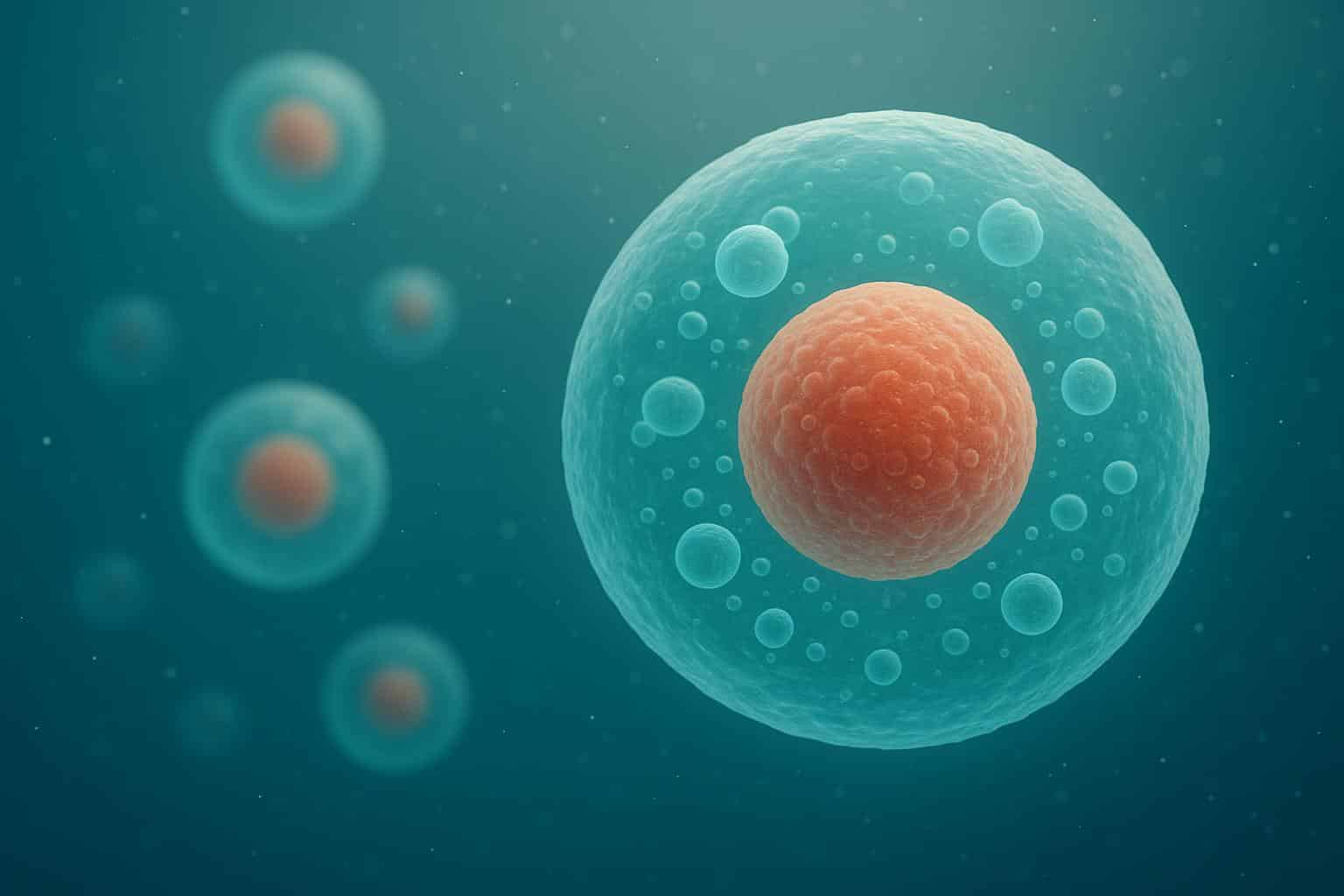
Cellular health isn’t just about avoiding illness. It’s about giving your body a chance to handle stress, recover, and perform. Even tiny problems at the cellular level can pile up quietly. That’s why little daily habits matter. Really do.
And here’s something to think about—you don’t always notice the small signs right away. Maybe it’s feeling sluggish in the afternoon or catching every little cold that goes around. Your cells are struggling before your mind catches up. Paying attention early, even in small ways, can make a bigger difference than you realize.
Common Factors That Affect Cellular Health
A lot affects your cells. Lifestyle is huge. Eat well. Sleep enough. Move your body. Drink water. Even small things count. Skip too many, or smoke and drink heavily? Your cells notice.
Your environment matters too. Pollution, chemicals, too much screen time—they all stress your cells. And stress itself? Yeah, it releases hormones that mess with repair and regeneration.
Most of this happens quietly. You won’t notice it immediately. But labs can see it. Watch how cells respond, sometimes spotting problems before you even feel them. Like a tiny heads-up from your own body.
How Labs Study Cells to Understand Health
Here’s the cool part. Labs can study cells closely without harming them. Cell sorting by flow cytometry is one of the ways. It separates thousands of cells, one by one, so researchers can see how each one’s doing.
One drop of blood has millions of cells. All doing different things. By isolating them, labs can see which cells are healthy, which are stressed, which might hint at early disease.
And it’s not just for research. Doctors use this info too. Track progress. Guide treatment. Prevent bigger problems. When you hear “personalized medicine,” this is part of it. Doctors need details at the cellular level. And it starts with seeing the cells clearly.
Plus, there’s a bit of magic in seeing patterns emerge. When cells are separated and studied closely, tiny differences show up that would otherwise be hidden. Small differences can have a big effect on how our bodies react to food, stress or infections; almost like being given an exclusive glimpse inside their own biology!
Practical Strategies for Promoting Healthier Cells
Good news is you don’t require expensive lab machines at home to improve your health; small habits go a long way toward keeping yourself and those around you healthy. Start eating antioxidant-rich food such as berries, greens and nuts-they protect cells-and drink plenty of water to stay hydrated. Exercise. Even short walks help. Sleep. Manage stress. Journaling, meditation, little breaks—they all count.
Tiny changes, consistently done, really matter. Over weeks or months, your cells perform better. You feel more energy. Immunity improves. And your body quietly thanks you from the inside.
As small changes can add up quickly, even small adjustments to your daily routine can have a powerful impact. Swapping sugary snacks for fruit, taking the stairs instead of an elevator, or going for a short walk after lunch–even these seemingly minor gestures of kindness directly benefit cells in your body and over time become noticeable differences.
Conclusion
Maintaining healthy cells is like inspecting a clock; they keep everything running smoothly. By understanding what affects them and understanding your habits that impact them, the more control over your health. But modern laboratory diagnostics allow physicians to spot subtle cellular changes before they become visible. Early detection. Smarter decisions. Better outcomes. Pair that with healthy routines, and your cells—and your body—will thank you. Tiny steps. Big difference. That’s how it works.