


Uber has struck a deal to acquire the food delivery business of Turkey’s Getir, a once high-flying quick-commerce pioneer that has been refocusing on its home market. The agreement includes an upfront payment of $335 million for the restaurant delivery unit and a separate $100 million investment for a 15% stake in Getir’s remaining grocery, retail, and water delivery operations, with full transfer of the delivery division expected over the coming years.
The seller is Mubadala, the Abu Dhabi–based sovereign wealth fund and Getir’s largest shareholder, which had been exploring options for its stake. Uber said it plans to combine the acquired services with Trendyol Go, the Turkish food and grocery delivery platform it purchased in a separate deal valued at $700 million, creating a larger, denser network under the Uber Eats umbrella.
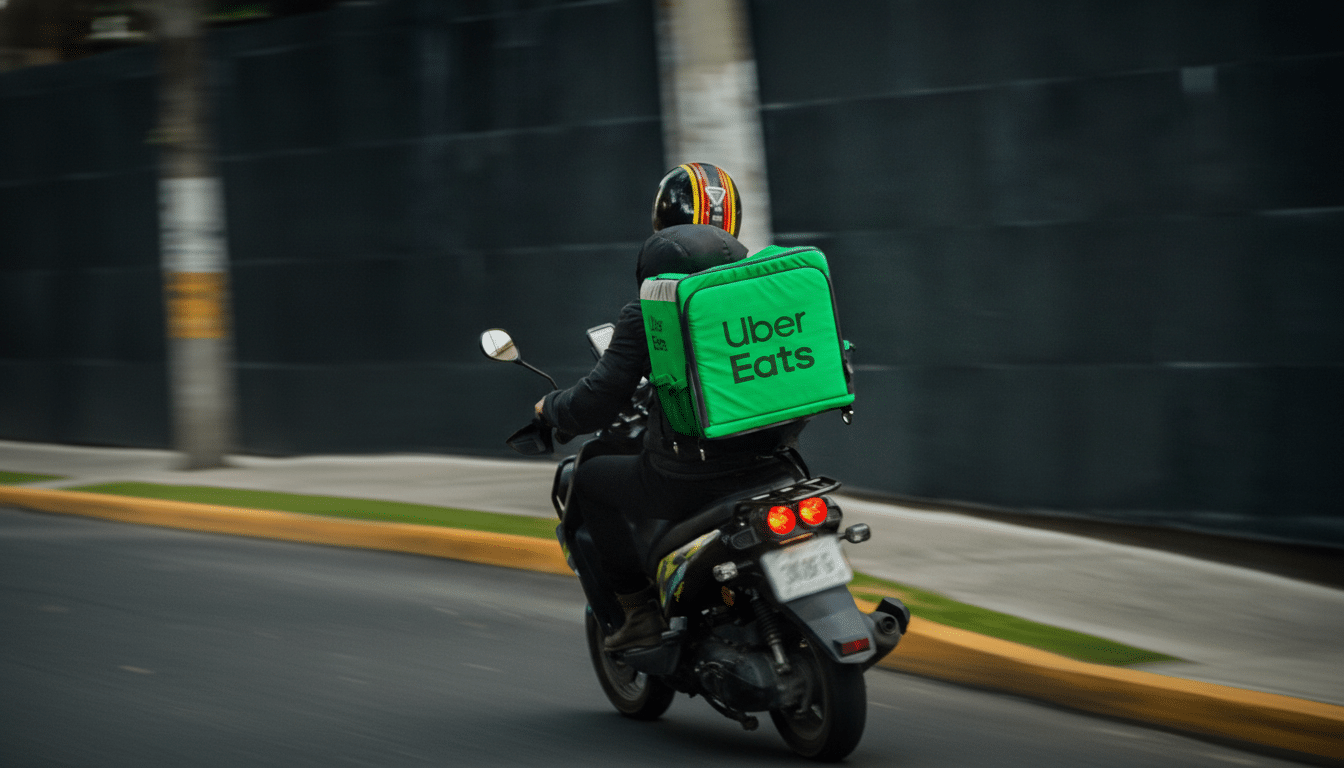
According to company disclosures, Getir’s food delivery unit generated more than $1 billion in gross bookings over the past year, rising roughly 50% from the prior period. The move follows strong momentum in Uber’s delivery segment, which recently reported revenue of about $4.89 billion, up around 30% year over year, with Europe, the Middle East, and Asia noted as the fastest-growing geographies.
What Uber gains in Turkey from Getir’s delivery unit
By absorbing Getir’s restaurant delivery arm, Uber gains immediate scale across key Turkish cities, deeper relationships with local eateries, and access to a proven courier network. Folded into Trendyol Go, the combined business can consolidate overlapping routes, boost order density, and shorten delivery times—levers that typically lift courier utilization and lower incentives, improving marketplace efficiency.
For consumers, the tie-up could mean broader restaurant choice and more predictable delivery windows. For merchants, a single, larger platform often brings higher order volumes and more marketing reach, albeit with pressure on commission economics as platforms compete on price and promotions. Uber’s playbook in delivery has consistently hinged on network effects, and Turkey’s high-usage urban corridors present fertile ground to apply it.
Getir’s reset after hypergrowth and global pullback
Getir helped define the ultrafast grocery and food delivery boom, launching in 2015 and expanding aggressively into Europe and the U.S. during the stay-at-home surge. As consumer behavior normalized and capital markets tightened, Getir pulled back to focus on Turkey, closing operations abroad and cutting thousands of jobs to stem losses.
The company once carried a valuation near $12 billion and raised roughly $2.4 billion in funding, according to PitchBook. More recently, court filings indicated the group’s assets were valued at about $374 million, underscoring the sector’s sharp comedown. A high-profile governance tussle with a co-founder over a restructuring led by Mubadala ended with a Dutch court rejecting the founder’s appeals, clearing the path for a sale.
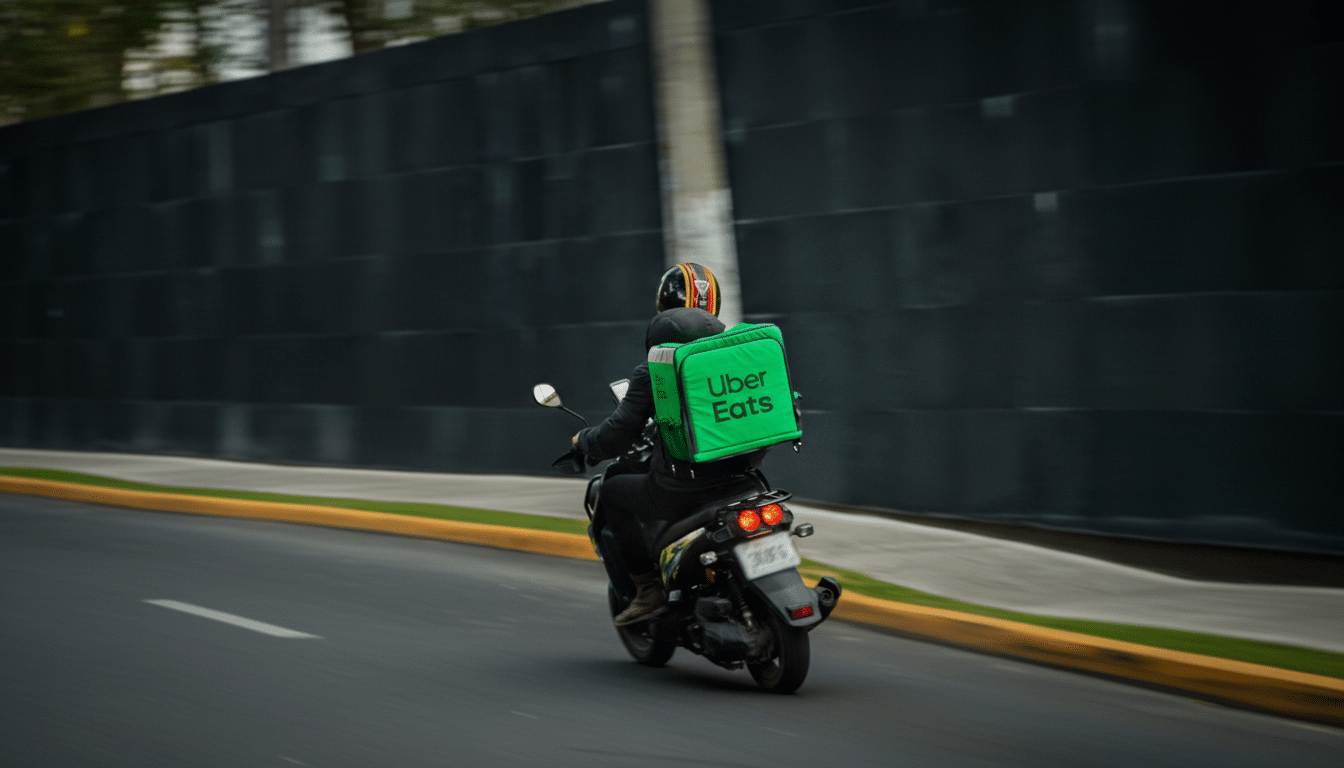
Mubadala has said the transaction reflects the business’s underlying strength and recent operational progress. For Getir, retaining a majority of its core grocery, retail, and water delivery operations—while bringing in fresh capital and shedding the restaurant unit—signals a pivot toward a leaner, more defensible footprint at home.
Why The Deal Makes Strategic Sense For Uber
Delivery is a scale game. Larger networks translate into higher order density per hour, which tends to raise courier earnings while lowering per-order costs. By marrying Getir’s food delivery routes with Trendyol Go’s footprint, Uber can improve batching rates and fulfillment speed, two metrics closely tied to unit economics and customer retention.
The acquisition also deepens Uber’s exposure to a fast-growing market where super-app behavior—ride-hailing, restaurant delivery, and quick commerce living inside one interface—is becoming common. Cross-promotion across Uber’s mobility and delivery services can lift frequency, while combined advertising and membership programs can improve margins without overreliance on discounts.
Competitive landscape and what to watch in Turkey
Turkey’s on-demand market is crowded, with entrenched rivals such as Yemeksepeti competing aggressively on selection and price. A larger Uber-backed platform will pressure competitors to defend restaurant supply and loyalty programs, even as promotional intensity across the sector moderates from pandemic peaks.
The deal is expected to face customary regulatory review. Key execution questions include how quickly Uber can migrate Getir’s couriers and restaurants, whether the Getir brand will sunset in food delivery, and how seamlessly operations integrate with Trendyol Go. For Getir, the focus shifts to stabilizing and growing its grocery and water delivery niche, now with Uber as a minority investor.
Investors will watch for sustained growth in gross bookings, higher order frequency, and improving contribution margins as signals that the integration is paying off. If Uber can translate added density into faster delivery and lower costs without escalating subsidies, this acquisition could become a template for targeted consolidation in other markets.