


What Is Breast Cancer Surgery?
Breast cancer surgeries entail surgical processes used to excise cancerous tissues from the breast without harming any healthy tissues. The first major objective of the process is removing the tumor and minimizing the chances of its spread to other body parts. The particular method that a surgeon adopts for carrying out the process will be determined by several factors, among which is the extent of the disease in the body.
The use of surgery in managing breast cancer is often complemented by the use of some other processes in an effort to enhance the effectiveness of cancer management. These processes include chemotherapy, radiotherapy, and hormone therapy. Chemotherapy is a process that involves the use of drugs to destroy or hinder cancer cell multiplication. Such drugs can be administered before surgery to help shrink the tumor or post-surgery to kill all cancer cells left behind.
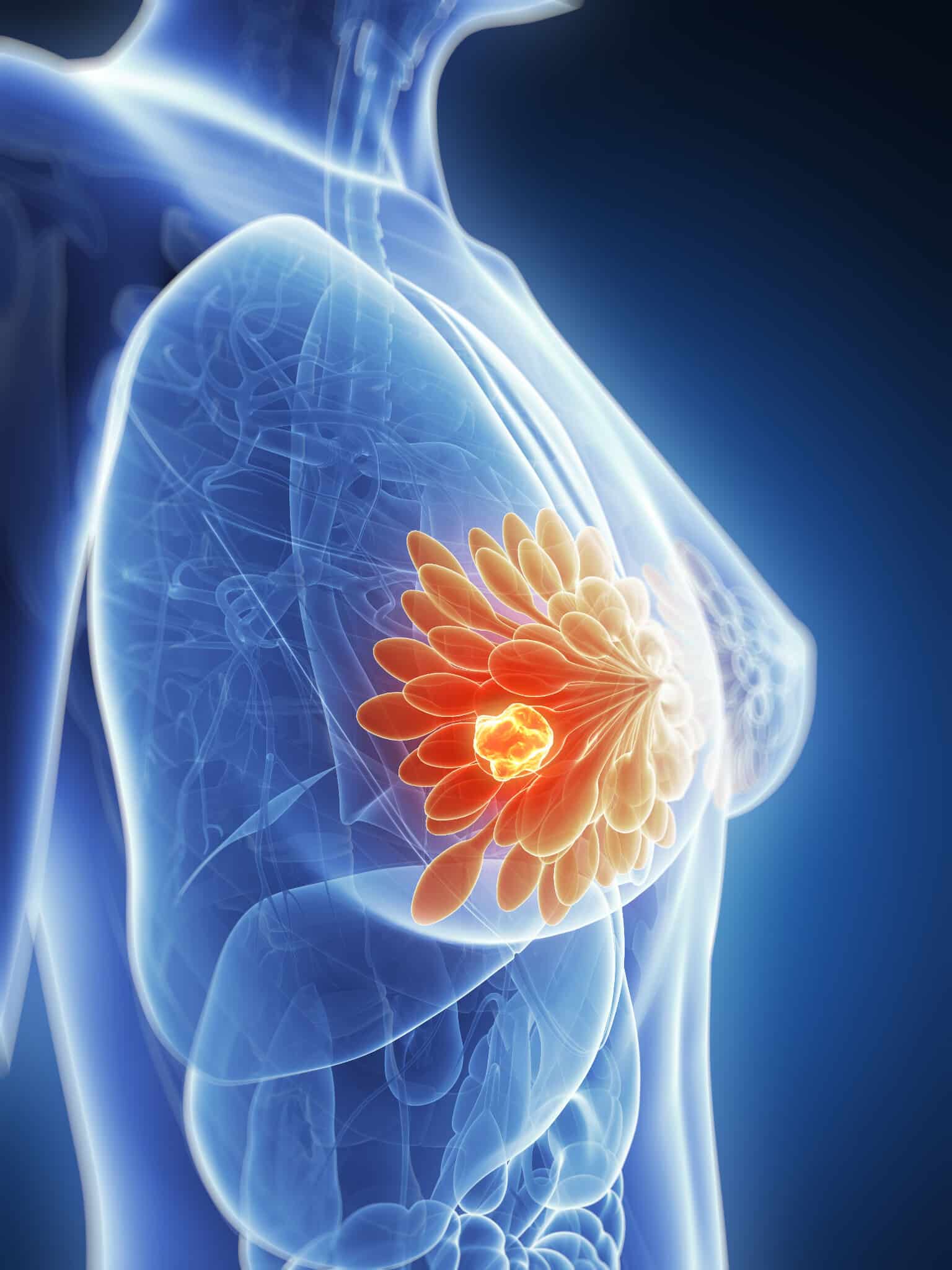
Mastectomy: Removal of Breast Tissue
A mastectomy is a surgery in which all the breast tissue is removed as a way of treating or preventing breast cancer. The procedure is advised if there is a large tumor in one’s breast, or there are numerous tumors in different areas of the breast, or when other procedures might not apply.
There are various types of mastectomy surgeries based on each patient’s medical condition and their desired outcome. Sometimes, a person might have only their breast tissue removed while retaining their skin, and sometimes even the nipple.
While the idea of a mastectomy may be daunting in the beginning, most patients take comfort in knowing that it can remove their cancer and lessen the chances of recurrence.
Oncoplastic Breast Surgery
Oncoplastic breast surgery is a surgical procedure that removes the tumor from the breast and uses plastic surgery methods to ensure proper shaping of the breast.
This procedure is especially helpful for patients having undergone lumpectomy and requiring tissue adjustment to preserve breast symmetry. In some cases, the other breast can also be adjusted to attain balance between the two.
Oncoplastic surgery has become an essential advance in the field of breast cancer treatment because it tackles both the medical and psychological sides of treatment.
Breast Reconstruction Surgery
Breast reconstruction surgery is commonly conducted following a mastectomy to re-create the look of the breast. The surgery may take place either immediately following cancer surgery or at a later date.
Implants or the patient’s own tissues from elsewhere on the body can be used for breast reconstruction. Newer methods of breast reconstruction are designed to produce a realistic outcome to make the patient feel better about themselves.
Breast reconstruction holds significance for many patients in their emotional recovery process. A Breast Cancer Surgeon can help patients understand the reconstruction options available as part of their overall treatment journey.
Recovery After Breast Cancer Surgery
The process of recovery following breast cancer surgery is dependent upon the kind of surgery that the patient underwent. While some people recover within several weeks, others take more time, especially if reconstruction was involved.
In most cases, it is advised by doctors to engage in light physical activity and also take good care of the wound. In addition, physical therapy is also prescribed to help recover mobility in shoulders and arms.
Support and regular visits to the doctor’s office are integral components of the recovery process. With all of the help from medical specialists and family members, most women recover their strength over time.
Conclusion
The evolution of breast cancer surgeries over time has provided patients with many surgical methods that are not only successful but also beneficial for improving people’s quality of life.
Every type of surgery is selected according to the state of health of an individual and his or her preferences. Under the competent supervision of a professional medical team and with the use of appropriate treatment methods, people succeed in beating breast cancer and living healthy lives.
Knowledge of different kinds of breast cancer surgery may be quite helpful for patients.
Types of Breast Cancer Surgery: Understanding Modern Treatment Options
Breast cancer surgery is a vital component in the current era of treating and managing breast cancer cases. There have been several developments in terms of medical technologies and surgical techniques within the scope of clinical oncology that have made such operations much safer, efficient, and patient-oriented. In our time, modern surgery for patients with breast cancer not only includes the aggressive removal of the disease but also focuses on reducing the trauma, ensuring aesthetic results, preventing disability, and promoting psychological recovery. In this way, people suffering from breast cancer will be able to have positive outcomes of the therapy without losing their healthy and active lifestyle
What Is Breast Cancer Surgery?
Surgical Management of Breast Cancer. Breast surgery encompasses a variety of sub-specialist surgical techniques aimed at removing the cancer from the breast and accessible lymphatic drainage system whilst conserving as much normal tissue as possible. The most important aims of surgery are to produce ‘clear’ (residual disease-free) surgical margins of excision, i.e., cancer-free margins or no residual disease at the margin of the excised specimen, as this reduces the risk of local recurrence and disease spreading.
The choice of a specific surgical procedure is based on careful evaluation of several key clinical factors: the clinical and pathological stage of the disease, tumor biology (such as hormone receptor and HER2 status), tumor size and its anatomical location in relation to breast volume, genetic risk factors (including BRCA1/2 mutations), the patient’s personal preferences, and overall systemic health.
In contemporary cancer management, surgery is rarely employed alone. Instead, it is an important element of a multimodal treatment approach, which often incorporates systemic treatments and radiation. These systemic treatments, such as chemotherapy, targeted biological agents, or endocrine therapy, may be given before a procedure (a process known as neoadjuvant therapy) to shrink the primary tumor, allowing for less extensive surgical procedures. Conversely, adjuvant systemic therapies and radiation may be given after surgery to eliminate hidden micrometastatic disease.
Lumpectomy: Breast-Conserving Surgery
Lumpectomy, clinically referred to as breast conservation surgery or partial mastectomy, is one of the most common surgical procedures carried out for early stages of breast cancer. In a lumpectomy procedure, the surgeon removes the actual tumor along with an area of healthy tissue called the surgical margin around the tumor.
The main objective is complete removal of the tumor and maintenance of aesthetic appearance. Since the majority of the original breast structure is preserved, the patient undergoes reduced psychological trauma when adjusting to the new physical appearance.
As per standard medical protocols, a lumpectomy procedure must be done with adjuvant whole breast radiation. Decades of clinical studies have conclusively proved that breast conservation surgery with radiation results in the same life expectancy and disease-free survival rate as that of a full mastectomy.
Mastectomy: Removal of Breast Tissue
Mastectomy is the complete removal of all normal, histological glandular tissue of the breast. Total or radical mastectomy is often indicated when the disease precludes conservative treatment due to features such as large size of the tumor, multicentric tumor in different quadrants of the breast, a multiplicity of malignant microcalcifications, repeated negative margins during excision, etc. Risk- reducing bilateral mastectomies are an option for patients with high risk gene mutations to prevent primary and secondary breast cancers.
Conventional mastectomy procedures involve excising the whole breast tissue, skin, and nipple-areolar complex. Although facing the idea of undergoing a mastectomy can be quite stressful for one, recent advances in surgery allow for an optimal route for surgical reconstruction and achieving balance.
Skin-Sparing and Nipple-Sparing Mastectomy
Modern breast surgical oncology has pioneered techniques that optimize cosmetic outcomes without compromising oncologic safety:
- Skin-Sparing Mastectomy: The surgeon removes all of the breast tissue internally, the nipple and areola, but leaves the natural skin envelope intact. The preserved skin pocket is an ideal space for immediate reconstruction.
- Nipple-Sparing Mastectomy: In the most selective cases, with no tumoral invasion of the subareolar ducts, the surgeon will remove all glandular tissue, keeping the nipple-areola complex intact as well as the skin envelope
These sophisticated approaches are routinely paired with immediate breast reconstruction, producing significantly more natural contours and lessening the emotional trauma associated with breast loss.
Oncoplastic Breast Surgery
Oncoplastic surgery is the perfect combination of oncologic clearance surgery and the principles of plastic and reconstructive surgery. During wide local excision or lumpectomy, the surgeon manipulates adjacent glandular tissue and rotates it internally to fill structural defects that may not cause indentation, displacement of the nipple, or any other irregularity in the shape.
In most cases, oncoplastic surgery involves a balancing procedure on the opposite side of the body, which could be a reduction, mastopexy, or augmentation surgery on the unaffected breast for symmetry.
Sentinel Lymph Node Biopsy
Lymph node assessment forms an integral part of the staging and treatment process. The lymph that flows out of the breast goes to certain lymph nodes in the armpit called the sentinel lymph nodes.
A Sentinel Lymph Node Biopsy (SLNB) procedure entails injection of a special dye in order to locate and remove the 1 to 3 sentinel lymph nodes. If the pathology report reveals no cancer cells within these lymph nodes, the other axillary lymph nodes will be left untouched. Such a surgical procedure greatly lowers the chances of developing complications like upper extremity lymphedema, numbness, and shoulder stiffness.
Breast Reconstruction and Recovery
Breast reconstruction is meant to reconstruct the physical structure, size, and shape of the breast after a mastectomy. Reconstruction may either begin at the time of the oncologic surgery or be postponed until secondary treatments have been finished. Methods usually consist of two main types:
- Implant-Based Reconstruction: Utilizing silicone or saline prostheses, often preceded by tissue expanders.
- Autologous (Flap) Reconstruction: Utilizing the patient’s own tissue harvested from donor sites such as the lower abdomen (DIEP flap) or back (latissimus dorsi flap) to create a soft, natural breast mound.
Recovery after the procedure will be different based on the level of complication during the procedure and if the reconstruction took place. Regular breast conservation surgery will take only a short time of limited physical activity, but the flap reconstruction will take longer. Proper wound care management, gradual shoulder exercise rehabilitation, and constant medical monitoring will lead to optimal restoration of functions.
In this way, modern breast cancer surgery not only saves lives but provides thoughtful patient-centered care.