


Spend a few weeks watching how careers actually progress inside a company, and a pattern shows up that tends to surprise people. The ones who climb fastest aren’t always the most technically brilliant or the most senior. They’re usually the ones who can do two unglamorous things really well — keep their cool when people clash, and pick up new tools without panicking. Neither skill gets much attention in school. Both are getting harder to fake.
Why People Skills Still Beat Raw Talent
Disagreements at work are normal, even healthy. A designer and an engineer argue about a deadline. Two managers want the same budget. A client feels ignored. None of that is a crisis on its own. The damage comes from how people handle it — whether a small friction gets sorted out in a ten-minute conversation or festers for three weeks until someone quits. Most of us were never taught how to sit in that discomfort and steer it somewhere useful. We either dodge the hard conversation or charge into it and make things worse.
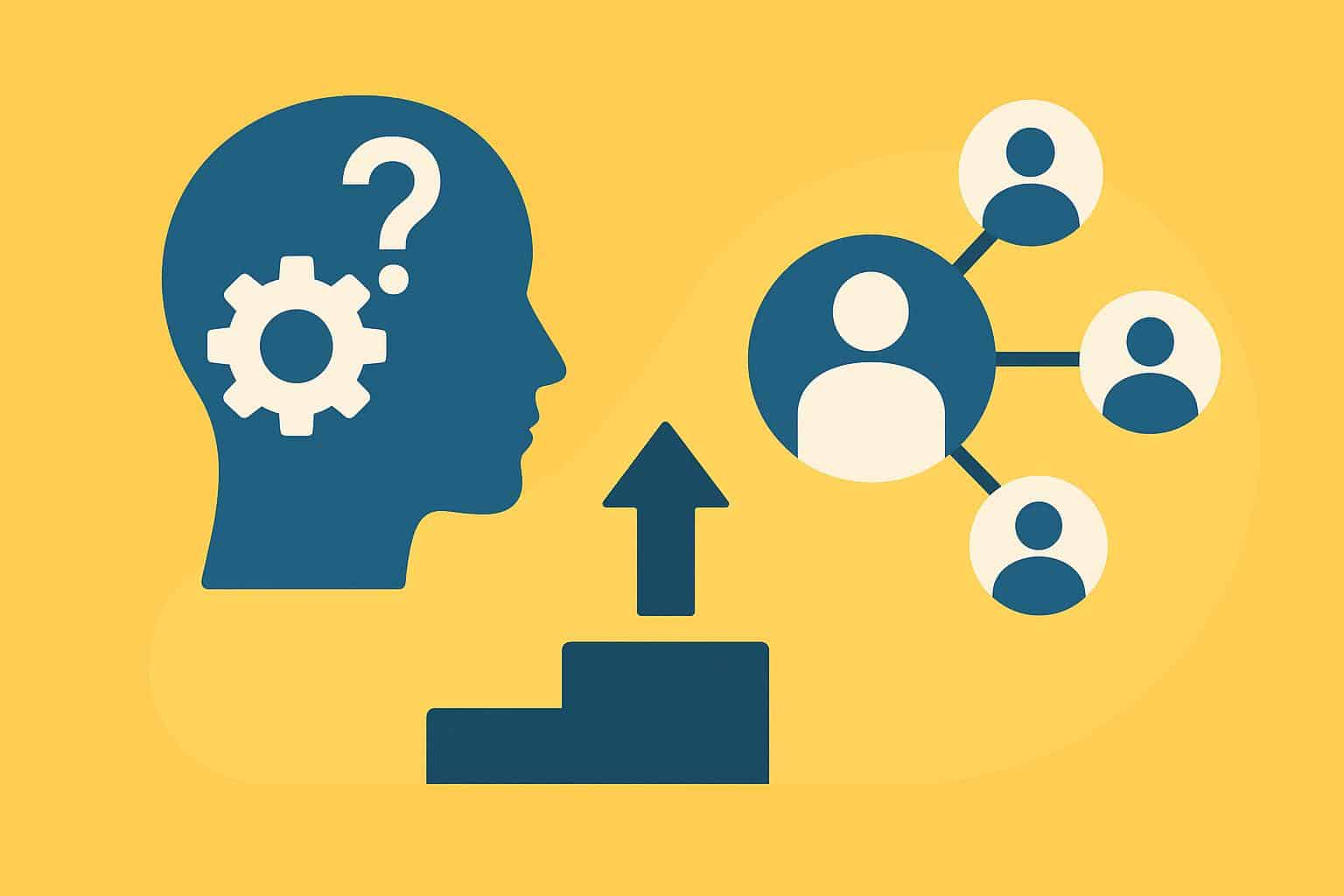
How Conflict Management Training Pays Off
That’s why structured conflict management training has quietly become one of the more practical investments a professional can make. It isn’t about becoming a pushover or memorizing corporate phrases that sound polite and mean nothing. Good training teaches you to read what’s actually driving a dispute, separate the person from the problem, and find a path forward both sides can live with. People who develop this skill tend to become the ones colleagues trust with delicate situations — and that trust is often what gets noticed when leadership roles open up.
The Tech Skill Every Professional Now Needs
Flip to the other side of the desk: the tools. A few years ago, knowing your way around spreadsheets or a basic CRM was enough to look capable. That bar has moved. Artificial intelligence is now stitched into writing, research, customer support, marketing, coding, and a dozen other daily tasks. The difference between someone who gets useful results from these systems and someone who gets vague nonsense usually comes down to one thing: how well they can ask.
Why a Prompt Engineering Certification Matters
This is where prompting turned into a genuine skill rather than a gimmick. Typing a sloppy request into an AI tool and copying the first thing it spits out is a recipe for mediocre work. Knowing how to frame a task, hand over the right context, set constraints, and refine the output — that’s what separates real productivity from busywork dressed up as innovation. For anyone who wants to prove they’ve actually mastered it, earning a prompt engineer certification is a sensible step. It gives structure to something most people are currently learning by trial and error, and it tells employers you didn’t just dabble.
Where the Two Skills Meet
What’s interesting is how the two abilities feed each other. AI can draft an email, summarize a report, or suggest three ways to respond to an upset customer. But it can’t sit in the room and read the tension on someone’s face. It can’t decide when blunt honesty matters more than smoothing things over. The technical skill handles the volume; the human skill handles the judgment. Lean too far toward the tools and your work feels cold and generic. Lean too far from them and you’re slower than everyone around you.
How to Start Building Both
The good news is that neither of these is a fixed talent you’re born with. Both are learnable, and you can start small. Pay attention the next time a conversation gets tense and notice your own reflex — do you shut down, or push too hard? Try rewriting one weak AI prompt into a clear, detailed one and watch the answer improve. Tiny habits like these compound faster than people expect.
The Skills That Outlast the Trends
The workplace will keep changing. New software will arrive, old roles will shift, and plenty of tasks people do today will be automated within a few years. What won’t go away is the need for someone who can manage a tense moment with grace and pull real value out of the tools at hand. Build both, and you turn yourself into the kind of professional who stays useful no matter which way the wind happens to blow.