


Apple will divide its high-end earbuds into two separate AirPods Pro 3 models: a standard model to be ready first and a higher-end version expected to trail the first model, supply chain reporting and popular leakers say. The change would be the most significant for the Pro line, which has generally progressed in single, three‑year leaps.
Analyst Ming-Chi Kuo believes AirPods Pro 3 will be another release of a more intricate model which will come out at a later date. Instant Digital, a prominent Weibo leaker, has reinforced that timeline and added a crucial piece of context: The second model isn’t a complete generational overhaul, but a more expensive, more capable companion to sit alongside the standard Pro 3.
Pro lineup as two-tier strategy
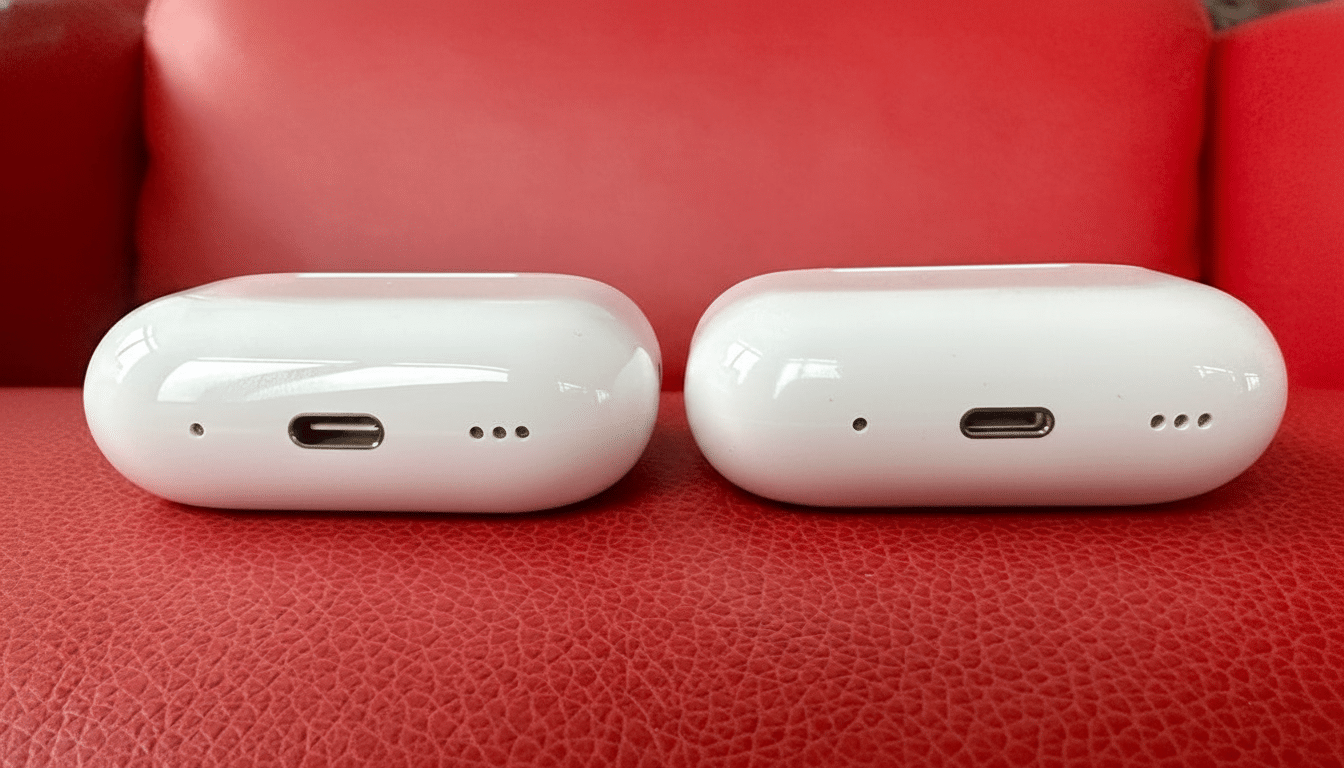
Apple has in fact tested out a split approach in its non‑Pro range with two tiers of AirPods 4; it refreshed AirPods Pro 2 with USB‑C case just a year after launch. A Pro split takes that playbook to a more affluent audience, allowing Apple to stage grander innovations without disrupting the essential rhythm of product updates.
It’s indicative of wearables economics more generally, too. Apple still owns first place in the true-wireless wars, with about a quarter of all shipments worldwide and an even larger share of the revenue, according to Counterpoint Research. Segmenting Pro could help maintain that premium tablet market position, while also covering a broader range of uses.
Infrared camera model: gesture-first controls
The flagship feature for the higher-end model is likely to be a small infrared camera in each earbud. Kuo previously proposed the use of an IR camera system that would be able to detect minute hand movements, allowing for in‑air gesture control with a stem tap, and could improve head/hand tracking for better spatial audio as well.
Instant Digital takes it further, saying that Apple could go all-in on camera interactions, even diminishing or removing the pressure sensors on the Pro model. Think pinches, swipes, or directional cues performed in the arc of your natural range of motion—raising volume, skipping tracks, or muting calls when you flick.
This could dovetail with Apple’s spatial computing aspirations. Because the company already mixes eye and hand input for Vision Pro, earbuds that understand your reference signals could become a slicker accessory for immersive video, gaming, and FaceTime, adding to spatial audio by anchoring sound to head and hand position alike.
What the regular AirPods Pro 3 needs to offer
We’re expecting the base Pro 3 to tweak the formula rather than rewrite it. The A7c has better active noise cancellation, improved microphones for calls and updated tuning for cleaner mids and more consistent bass at lower volumes, according to industry scuttlebutt.
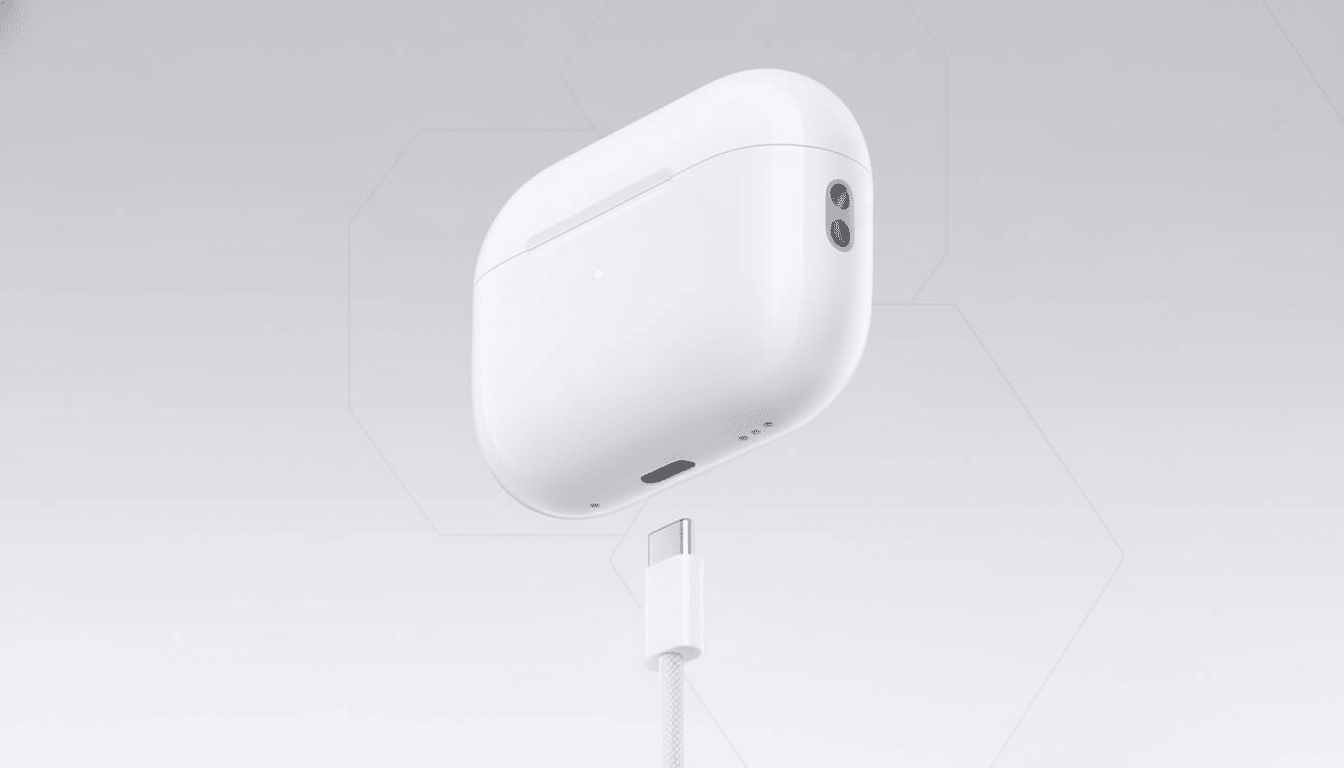
Health features are also on the table. Apple has been exploring hearing health for years, and recent Beats hardware has suggested the inclusion of onboard sensors; multiple analysts anticipate Apple will bring at least fundamental fitness or wellness metrics to the new Pro line. A smaller and lighter USB‑C case (I also hope to see upgraded Find My and speaker alerts).
Under the bonnet, look out for a next‑generation H‑series chip with even more on‑device machine learning for Adaptive Audio scenarios as well as better power management. It’s possible we see some incremental battery improvements, but the real story is smarter sound that can react more quickly to changing surroundings.
What to expect in price and timing
The regular AirPods Pro 3 would hit the same price band as the existing Pros, while the camera‑toting model would be priced closer to the $249 MSRP of today’s Pros. Sources claim the two will co-exist rather than the new one replacing the old, so buyers can make a clear decision between use of familiar controls and cutting‑edge interaction.
The sequencing of launch is the main open question. The Pro 3 in it’s form shall be released side-by-side with Apple’s next iPhone selection, where the gesture‑first edition comes in second once assembly of the infrared module ramps in Apple’s supply chain. That rollout plan would also be consistent with how Apple has replaced components over time with more advanced technologies.
Why a camera earbud actually works now
Shifting input off the stem and into the surrounding environment is not just novelty. It leaves your hands free when you’re out running, or cooking, or commuting; it helps to avoid mispresses while wearing gloves; and it provides an entry point for people for whom squeeze gestures are just kind of awkward. It also provides Apple an infrastructure onto which it can upgrade spatial audio from a passive effect into a layer of interactivity that changes in response to what you do.
If Apple delivers, the high-end AirPods Pro 3 could be the staple headphones choice for Vision Pro owners and a halo offering across the board. The regular Pro 3, meanwhile, retains the upper limit on price from going any higher, but economizes elsewhere in order to bump up those audio quality and noise-cancellation floors. That one‑two punch is classic Apple: Expand the base, then push the frontier.