


TuneIn is delivering verified emergency alerts to the car, introducing live warnings from the Federal Emergency Management Agency to its streaming service. The service draws on FEMA’s Integrated Public Alert and Warning System so it can deliver location-specific alerts about severe weather, natural disasters, AMBER Alerts (child abduction), evacuations, and other immediate threats — all while drivers have their ears open.
Alerts are categorized according to their severity, and may either be delivered as quick audio alerts, or they can break into programming, if necessary, for life-threatening types of events (such as a tornado warning), supplemented with on-screen text in supported markets. The result is a helpfully omni-style takeover optimized for an app-first, connected dashboard — a necessary lifeline between regular radio alerts and in-car streaming.

How the Emergency Alert Integration Works in TuneIn
IPAWS is the national delivery method for emergency messaging, melding phone-based Wireless Emergency Alerts with the legacy radio and TV-based Emergency Alert System as well as newer internet-delivered channels. It uses the Common Alerting Protocol, an open, machine-readable format to ensure a single authoritative warning can be sent and received over multiple networks, guaranteeing that it is sent—without losing any of its content or context.
Through its tie-in with IPAWS, TuneIn can geofence alerts to the location of the vehicle so drivers within a disaster zone suddenly hear the appropriate message when inside one of those affected polygons. Low-order events set off less intrusive notifications, with more serious threats building up to full audio cut-ins, minimizing the odds that a can’t-miss-it warning is overlooked amidst music, news, or a podcast.
The Importance of Car Audio Alerts for Drivers
In fast-moving hazards — flash floods in low-lying corridors, tornadoes after nightfall, or wildfire evacuations along one route — seconds matter. Audible, in-stream notifications meet drivers where their minds are already at: on the radio or phone. That’s a meaningful supplement to smartphone Wireless Emergency Alerts, which can be silenced, set to do-not-disturb, or even ignored if the phone is not within arm’s reach.
The need is growing. The National Oceanic and Atmospheric Administration has been documenting a steady climb in billion-dollar weather and climate disasters, highlighting the importance of redundant, multisource warnings. So the National Weather Service and state emergency managers for years have been preaching layered communication — sirens, broadcast cut-ins, phone alerts, and now app-based audio — so that no single point of failure takes away a driver’s ability to know.
Automakers Integrating TuneIn and Its Road Presence
The feature will land on vehicles with integrated TuneIn from Rivian, Lucid, Tesla (in 2023), Sony Honda Mobility (starting later in 2022), Jaguar, Land Rover (including select Range Rover models), Mercedes, and Volvo. Since TuneIn is also frequently used via smartphone mirroring, the feature could potentially even reach beyond factory dashboards to include a wide spectrum of connected cars that are already on the road.
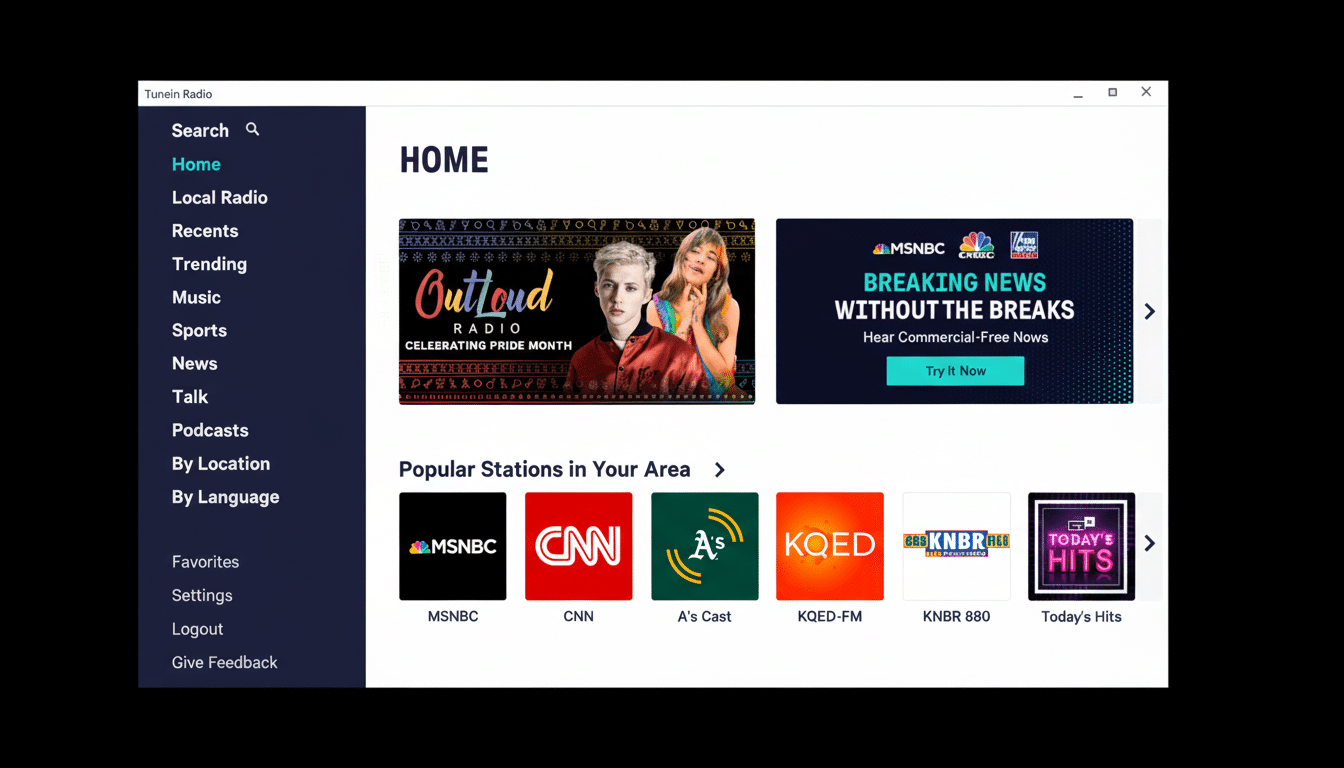
More importantly, the alerts retain the broadcast EAS experience that we’ve all come to know and love: an instant cutover (if necessary), but with the added personalization that’s expected in streaming apps. This balance can help reduce alert fatigue while also not watering down the impact of a legitimately life-saving message.
Reliability and Oversight Questions for Alerting
And, as with any critical infrastructure, it’s all in the execution. A review by the Government Accountability Office has identified significant staffing departures at FEMA, including among some senior leaders, fueling concerns about capacity and continuity. Emergency management organizations like the International Association of Emergency Managers continually hammer home that redundancy, extensive testing, and set escalation points are crucial to maintaining a balance between accuracy and trust in alerts.
Homeland Security leadership has argued that the restructuring has made FEMA leaner and faster, pointing to faster deployments and grant approvals. Irrespective of internal changes, the public will measure performance by the clarity of messaging, the accuracy of geotargeting, and how quickly verified information gets to people in harm’s way. Transparency — after-action reporting, false alert audits, and regular system testing — will be crucial to confidence.
The Future of Emergency Communications in Cars
Injecting IPAWS into mainstream audio platforms unlocks possibilities for features that could create better outcomes: multilingual audio, accessibility modes of operation that crossfade content rather than cutting it off abruptly, safer handoffs from warnings to turn-by-turn navigation on evacuation routes. With the assistance of vehicle manufacturers, alerts might also prompt gentle haptic feedback or visual cues that supplement sound without distracting a driver.
Security and authenticity remain non-negotiable. FEMA’s standards, FCC guidance, and CAP-based authentication prevent spoofing and tampering, but platform partners must harden their pipelines and failover procedures too. Public education is also important: Drivers should understand what different alert sounds mean, how to look at details on-screen, and when a full-program takeover can be expected.
The upshot: putting authoritative, real-time alerts in the listening experience that many drivers already use is a practical step forward for public safety. TuneIn’s FEMA integration is only as good as the settings you use to prevent fatigue, and the amount of oversight in play, but if applied wisely, it may help make our nation’s alerting net a bit tighter — and us all a bit safer when the unexpected occurs.