


The Trump T1 smartphone is back in the spotlight with a revised spec sheet, a shifting price strategy, and a promise of spring deliveries for early buyers. In a new interview cited by The Verge, Trump Mobile executives shared fresh details that mark a notable pivot from last year’s pitch, including a larger display, more storage, and a bigger battery—alongside confirmation that manufacturing will take place outside the United States.
What’s New Under the Hood: Trump T1 Hardware Upgrades
According to Trump Mobile, the T1 now targets a sizable 6.8-inch display and runs on a Qualcomm Snapdragon 7 series chipset. That silicon typically powers midrange phones, trading top-tier graphics for improved efficiency and sustained performance. The device is slated to ship with 512GB of onboard storage and a microSD slot—an increasingly rare combination in 2026, as many OEMs have dropped expandable storage from similarly priced devices.
- What’s New Under the Hood: Trump T1 Hardware Upgrades
- Pricing Shifts and Early Access for the Trump T1
- Manufacturing Reality Check and Where the T1 Is Built
- Release Timing and Credibility After Delays and Changes
- How It Stacks Up Against Rivals in the Midrange Market
- What to Watch Next as the Trump T1 Approaches Launch
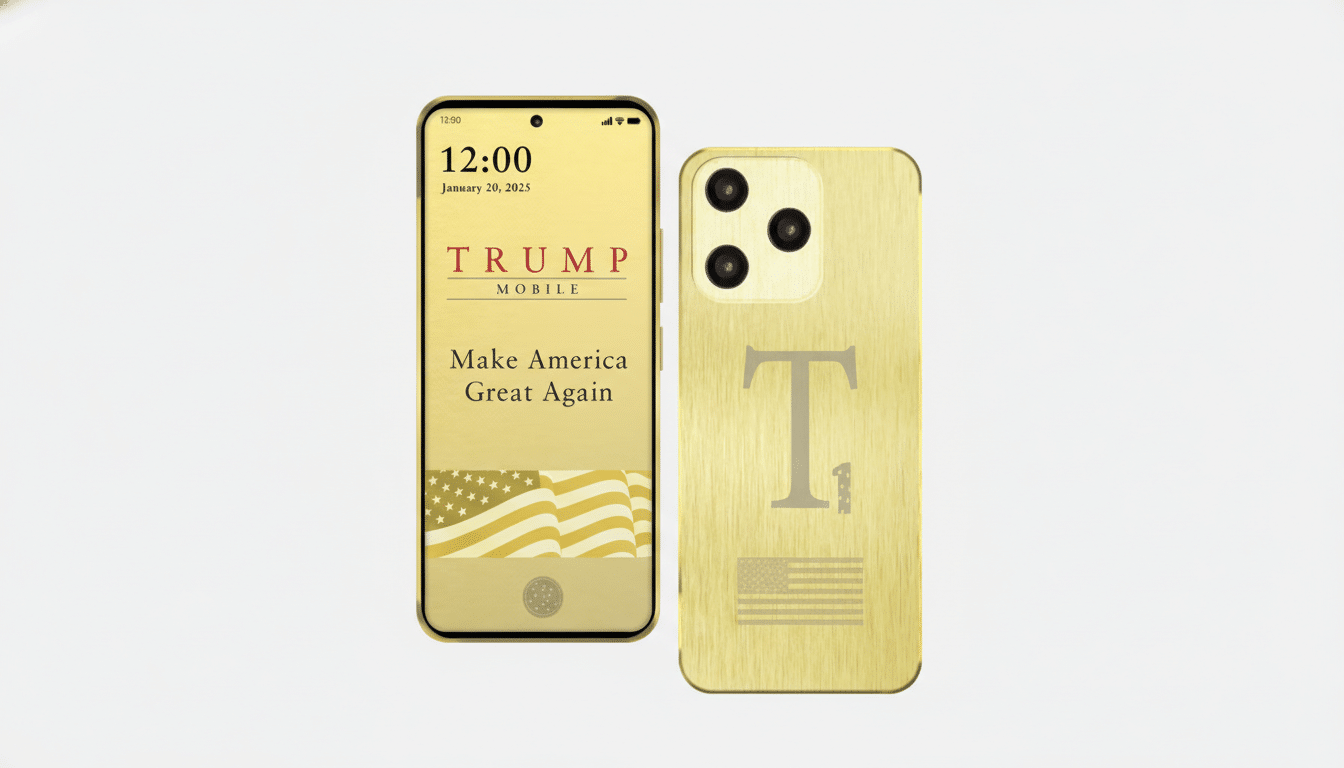
Battery capacity is pegged at 5,000mAh, which has become the de facto standard for all-day use in large-screen Android phones. On cameras, executives claimed both the main rear camera and the selfie shooter are 50MP, an unusual symmetry that, if true, could appeal to creators and frequent video callers. The Verge also speculated the rear array could include ultrawide and telephoto lenses, but final configurations weren’t confirmed. As always, image quality will hinge on sensor size, optics, and software tuning as much as megapixel counts.
Pricing Shifts and Early Access for the Trump T1
The headline price of $499 applies only to early adopters, with executives indicating that later buyers should expect to pay more. That puts the T1 in a delicate position: at $499, it competes directly with established value leaders like Google’s Pixel 7a and Samsung’s Galaxy A54, which leverage mature camera software and long update policies. Push the T1 much higher and it risks colliding with discounted prior-year flagships that routinely dip into the $500–$600 range through carrier and retail promotions.
That calculus makes the final sticker crucial. In the midrange, perceived value is as much about promises as parts—software support, carrier compatibility, and service options can be decisive when spec sheets look similar. A microSD slot and big battery help the T1 stand out, but sustained updates and network performance are what keep phones in pockets long after launch day.
Manufacturing Reality Check and Where the T1 Is Built
Trump Mobile confirmed the T1 will not be manufactured in the United States, despite early marketing that suggested otherwise. That aligns with broader industry realities: modern smartphone production is concentrated in China, India, and Vietnam, where component ecosystems and labor scale are already in place. Attempts to localize assembly in the U.S.—Motorola’s short-lived Austin-built Moto X being a notable example—have historically struggled against cost and supply chain gravity.
For prospective buyers, the location shift matters less than build consistency, quality control, and after-sales support. Clear disclosures on origin and component sourcing can also head off consumer confusion, particularly when national branding is part of the pitch.
Release Timing and Credibility After Delays and Changes
The T1 missed an expected launch window roughly six months ago and has undergone visible changes in design and specs since then. The device shown to The Verge reportedly differs from earlier marketing materials, which invites a healthy dose of skepticism until retail units ship. In consumer tech, setbacks happen; the larger question is whether the current roadmap—early shipments in spring—holds and whether the production model matches the latest disclosures.
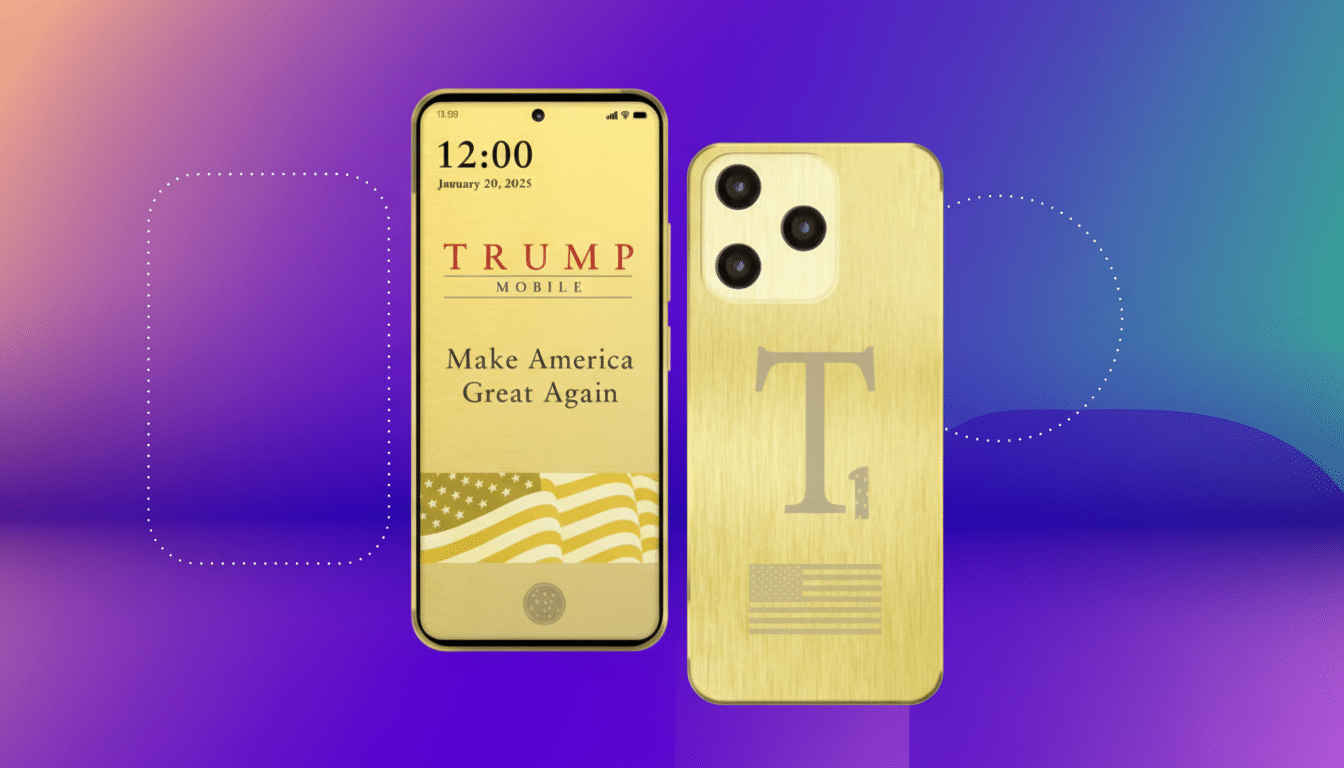
Transparency here will carry outsized weight. Clear timelines, a published update policy, and concrete shipping confirmations can quickly rebuild confidence, whereas moving targets tend to erode it.
How It Stacks Up Against Rivals in the Midrange Market
On paper, a Snapdragon 7 series chip, 512GB storage, microSD expansion, and a 5,000mAh battery form a practical midrange package, especially for media-heavy users. The dual 50MP claim—front and back—is intriguing; most competitors reserve high-resolution sensors for the rear and pair them with more modest selfie cameras. Execution will be key. Computational photography prowess from Google and Samsung has set a high bar that raw sensor counts rarely overcome without equally strong software.
Equally critical is software longevity. Leading Android brands now publish extended support windows—Google’s latest flagships tout multi-year OS and security updates, and Samsung’s upper-tier models offer similar commitments. Trump Mobile hasn’t detailed its update roadmap. For a device that may cost more than $499 after early access, a robust support plan could be the difference between a curiosity and a contender.
What to Watch Next as the Trump T1 Approaches Launch
Several unanswered questions will determine whether the T1’s reintroduction resonates:
- Confirmed carrier certifications and 5G band support
- Final camera hardware and stabilization features
- Display refresh rate and brightness
- Security promises beyond the standard Android stack
- Warranty and repair network for U.S. buyers
Independent testing from outlets like The Verge, Consumer Reports, and established reviewers will also help validate battery life, thermals, and radio performance.
If Trump Mobile can lock its timeline, clarify pricing after the early window, and publish a credible software update policy, the T1 could slot into the crowded midrange with a distinctive value play built around storage and battery. Until then, the prudent move is to treat the spring shipping target as a milestone to watch, not a guarantee—and to let third-party reviews guide the final call.