


The Environmental Protection Agency under President Trump is preparing a policy shift that would sideline the health benefits of cleaner air when evaluating ozone and fine particulate standards, according to reporting by The New York Times. The move would mark a sharp departure from decades of bipartisan practice and could reshape how the federal government weighs the costs and benefits of pollution controls that affect millions of Americans.
What the proposal would do to ozone and fine particle rules
For years, EPA economists have quantified avoided deaths and illnesses from cleaner air using a measure known as the Value of a Statistical Life, a figure that in recent guidance hovers around the low tens of millions of dollars per life. Those benefits, alongside reduced hospitalizations, lost workdays, and asthma attacks, have consistently outweighed the costs of tighter standards for ozone and fine particles (PM2.5) in regulatory impact analyses.
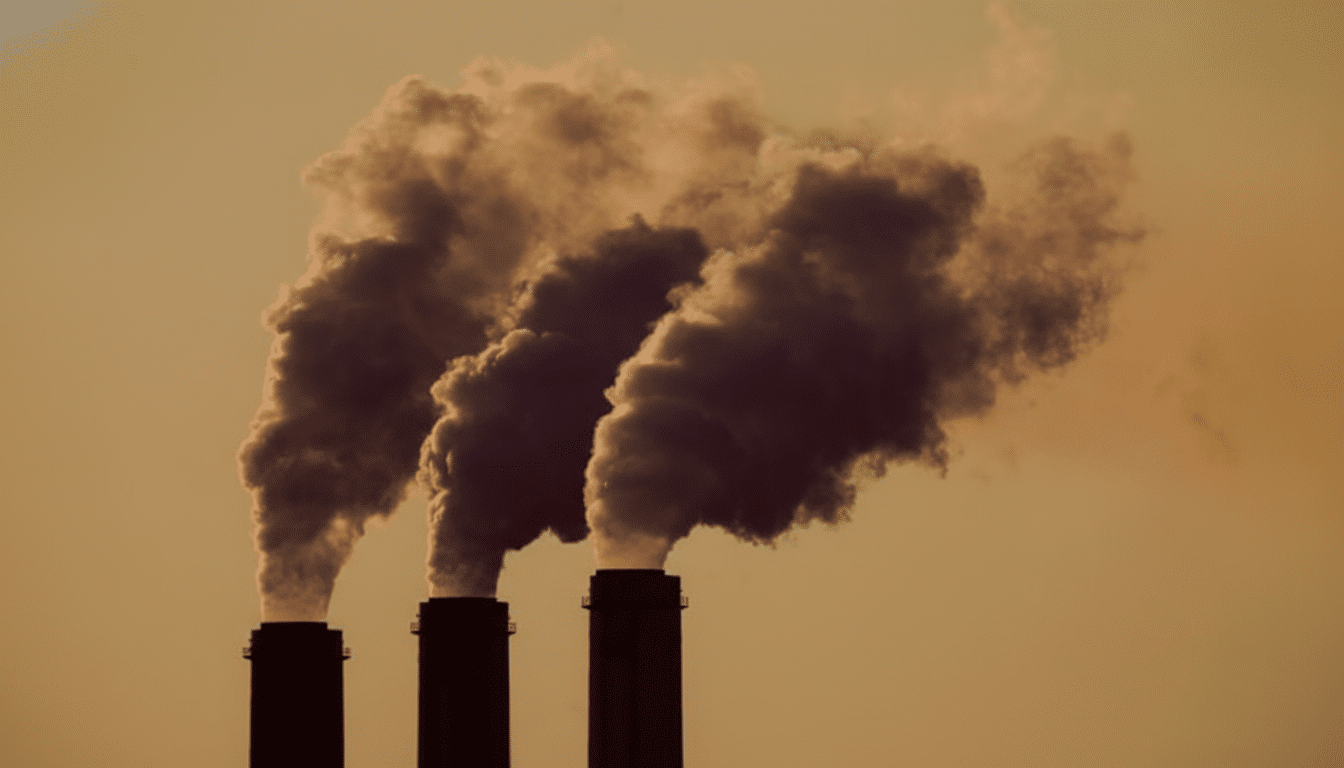
The new approach would exclude or sharply discount those health valuations when the agency sets or implements standards for ozone and PM2.5, shifting emphasis to industry compliance costs and technical feasibility. In effect, it would treat life-and-health benefits as peripheral, undermining the core rationale that historically justified tightening limits as evidence mounted that “safe” thresholds were lower than previously understood.
Legal experts note an immediate tension with the Clean Air Act. The law requires national ambient air quality standards to be based on the latest science to protect public health with an adequate margin of safety—not on cost. While economic analyses typically accompany EPA rules, sidelining health evidence or its quantified benefits invites litigation from states, medical organizations, and environmental groups that argue science must remain central to standard-setting.
The stakes for public health from changing EPA policy
Ozone and PM2.5 are not abstract risks. Ozone at ground level inflames airways and worsens asthma, especially during hot, stagnant conditions. PM2.5—soot-like particles small enough to enter the bloodstream—has been tied to heart disease, stroke, lung cancer, diabetes, adverse birth outcomes, and cognitive decline in older adults, according to assessments by the EPA, the World Health Organization, and the National Academies.
The Health Effects Institute’s State of Global Air reports attribute millions of premature deaths globally each year to PM2.5. In the United States, multiple analyses, including work cited by the Institute for Health Metrics and Evaluation, associate long-term PM2.5 exposure with tens of thousands of premature deaths annually. The American Lung Association estimates that roughly one in three people in the country live in places with unhealthy levels of ozone or particle pollution.
Exposure is also unequal. Studies in Science Advances and other journals show that communities of color and low-income neighborhoods bear higher burdens of traffic and industrial emissions. That reality has evolved into a major environmental justice concern, with pediatricians, cardiologists, and pulmonary specialists warning that weakening the role of health science in policy would shift costs onto families, schools, and hospitals rather than smokestacks and tailpipes.
Recent events underscore the sensitivity of local air basins. Intensifying wildfire seasons have driven PM2.5 spikes across the West, while the rapid buildout of energy-hungry data centers has raised questions about localized emissions. In Tennessee, for example, state regulators scrutinized natural gas turbines used to power a new data facility in the Memphis region—a place that the Asthma and Allergy Foundation of America has repeatedly flagged as an asthma hotspot.
Industry cheers and health groups express alarm
Business groups have praised the pivot. The U.S. Chamber of Commerce’s Global Energy Institute has long argued that EPA analyses overcount “co-benefits” and impose costly mandates with diminishing returns. A health-light approach could ease compliance for utilities, refineries, and manufacturers operating in nonattainment areas and accelerate permitting for energy and infrastructure projects.
Public health organizations are moving the other way. The American Public Health Association, the American Thoracic Society, and the American Academy of Pediatrics have consistently urged tighter PM2.5 and ozone limits as evidence accumulates that harms occur even below current standards. They point to research showing benefits from cleaner air cascade through the economy—lower emergency visits, fewer missed school and work days, and reduced burdens on Medicare and Medicaid.
Science, law, and the courts on air standards policy
This would not be the first attempt to reframe how EPA counts benefits under the Clean Air Act. A late-Trump-era rule to restrict the use of certain health studies and another to downplay “co-benefits” were rescinded or struck down in court. Any new policy that effectively ignores morbidity and mortality in air rules will face a similar gauntlet: scrutiny by the EPA’s Clean Air Scientific Advisory Committee, a public comment period, and likely court challenges alleging conflict with the Act’s health-protective mandate.
There is also a practical risk. Removing health from the equation can produce analyses that underestimate the full costs of pollution borne by the public. That, in turn, can lock in older equipment, delay cleaner technologies, and prolong nonattainment in regions already struggling to meet federal standards, creating regulatory uncertainty for industry and states alike.
What to watch as EPA retools air quality rule analyses
Watch for the fine print. Does the policy bar valuation of avoided deaths entirely, narrow which studies count, or limit consideration of co-benefits from pollutants reduced “incidentally” by a rule? Also key: whether EPA signals changes to its Integrated Science Assessments or to the process by which it consults external experts on health evidence.
However it is framed, a rule that sidelines health benefits in air policy would mark a profound change in how the U.S. measures the value of clean air. The science showing that cleaner air saves lives has only grown stronger. The question now is whether the nation’s air rules will continue to reflect it.