


Truecaller is launching its new household-level defense to block scam calls across an entire home rather than just one device. The feature allows one trusted person to manage the scam protections of up to five family members, signaling that scammers are increasingly targeting multiple people within the same household looking for a vulnerability.
The expansion is a significant departure for the Swedish company, which is moving from caller ID into organized security. By passing controls to the most digitally assured person in the household, Truecaller is aiming at a common seam: older people and first-time smartphone users who are typically preyed upon by sophisticated telephone scammers.
How Truecaller Family Protection works on Android and iOS
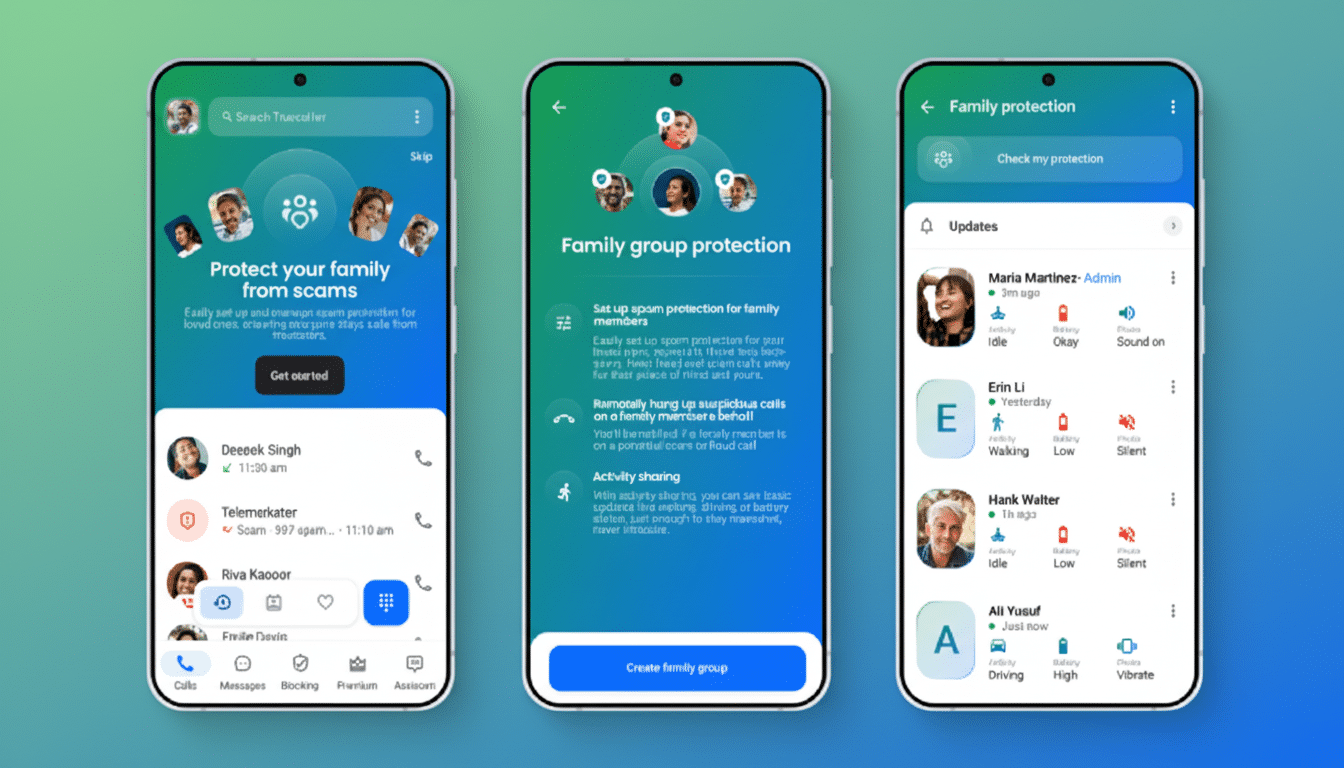
Family Protection allows up to five members of a family or group to become part of a shared group led by an administrator, who’s responsible for configuring scam-blocking settings for everyone. It’s a feature on Android and iOS, with more controls provided by Android.
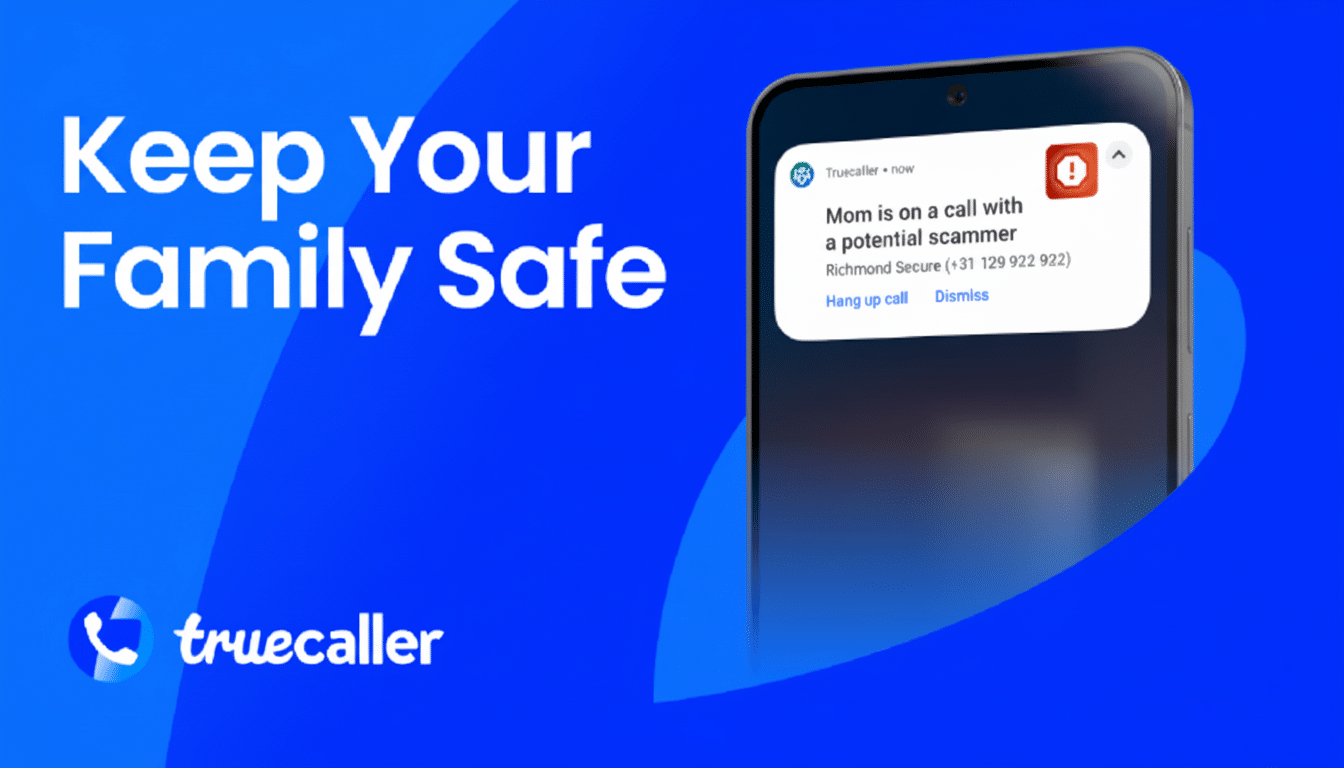
On Android, the admin can get real-time notifications when a family member is receiving a suspected spam call, see health checks on their family’s device such as battery life, and even block scam calls from intruding in by marking any number as spam.
That hands-on intervention is intended for times when the timely warning could spare a costly mistake, such as with “bank verification” or “police impersonation” calls.
iOS users can also enjoy some of the core group management and protection features, with platform restrictions that keep remote action more limited.
Either way, the idea is the same: Lower friction for those who require assistance and increase vigilance of the sole person who can control settings over all.
Why household-level shielding against scams matters now
Phone scams are now professionalized: Attackers chain social-engineering attacks, spoofed identities, and even AI-generated voices to swamp victims. Truecaller’s own telemetry highlights the extent: more than 450 million users, detection of about 63 million scam attempts daily, and ~166 million spam calls reported each day — one of the largest live datasets on phone-based fraud.
External data shows a similar picture. The U.S. Federal Trade Commission logged a record amount of consumer fraud losses: over $10 billion across sectors in 2023, for which phone-based contacts continue to serve as a key vector. The FBI’s Internet Crime Complaint Center, meanwhile, noted separately that victims 60 and older accounted for more than $3 billion in losses in a single year, underscoring the vulnerability of senior citizens. Markets that are bringing millions of new smartphone users online see peaks in impersonation scams, too, according to telecom industry groups like the GSMA.
Against that backdrop, moving away from a single-user defense to something for the entire family is practical. Scammers usually call multiple relatives until they reach someone; a united front lessens the chance that any particular call will get through.
Availability and pricing for Truecaller Family Protection
Family Protection is launching initially to users in Sweden, Chile, Malaysia, and Kenya. The feature is free for users to join and anyone can make their own group on the Truecaller app.
For households looking for a bit more, the Premium Family plan extends to each of its members an ad-free experience, a stronger spam filter, and automatic call rejection of those rated as high risk. Truecaller says it is planning to expand more broadly regionally, and, indeed, India is among the next wave of markets.
Regulatory and competitive backdrop shaping call safety
Truecaller’s pivot also arrives at a time when regulators and carriers are growing increasingly aggressive about authenticating calls. In India, ministers of telecommunications have ordered Caller Name Presentation (CNAP) trials to display the name that is registered with telcos, and the U.S. Federal Communications Commission has enforced STIR/SHAKEN to authenticate caller identity. Regulators around the world, including the U.K.’s Ofcom, are encouraging carriers to block known scam traffic at the network edge.
Call security is also fought for among device makers. Google’s Call Screen feature on Pixel phones and anti-spam protections integrated into OEM dialers help to filter out potentially shady calls on-device. Truecaller’s distinguishing feature here is its household admin layer — the central control and cross-platform coverage akin to Qustodio — and also its ability to intervene remotely on an Android device when a family member has let their guard down.
What Truecaller Family Protection means for everyday users
Think of a common situation: an adult child guiding parents through smartphones. With Family Protection, they can establish tighter scam filtering for a parent, be alerted when an incoming dubious call makes it through and, on Android, block the call if it appears to be clearly fraudulent. Device status view helps you make sure the phone is charged and accessible, while group settings ensure that your protection remains in place throughout a household.
Truecaller says the controls are created with both consent and privacy in mind: The admin has only limited access to device-level information; the company focuses on call safety rather than invasive monitoring. And that balance will be crucial as more families resort to shared protections to fight back against high-pressure vishing and impersonation tactics.
The takeaway: scammers increasingly target the home as a household. By promoting one vigilant user to protect the others, Family Protection by Truecaller translates that individual awareness into collective resilience — one blocked call actioned step of teamwork at a time.