


Health tech vendor TriZetto has confirmed that cybercriminals stole personal and medical information belonging to more than 3.4 million people, exposing sensitive insurance and care details in a breach that went undetected for months. The company, owned by Cognizant, sits deep in the plumbing of U.S. healthcare, making this incident significant well beyond a single platform.
TriZetto’s software underpins eligibility checks and claims workflows used by a vast network of providers. The company cites coverage across roughly 200 million individuals via about 875,000 healthcare organizations, meaning any compromise of its systems can ripple across clinics, hospitals, and payer partners.
- What TriZetto Says Was Taken In The Patient Data Breach
- A Breach Hidden In Plain Sight Inside Healthcare Networks
- Who Is Affected And Where The Ripple Effects Show
- The Bigger Picture In Health Tech Security
- What Impacted Patients Should Do Now To Protect Themselves
- What Regulators And Payers Will Watch In The Aftermath
What TriZetto Says Was Taken In The Patient Data Breach
According to a filing to the Maine attorney general, attackers accessed insurance eligibility transaction reports stored on TriZetto infrastructure. These reports, part of the ubiquitous 270/271 eligibility process, often bundle personally identifiable information with protected health information used to confirm coverage in real time.
Data elements may include names, dates of birth, postal addresses, Social Security numbers, provider names, demographic fields, plan identifiers, and other insurance details. That mix is potent for identity theft and medical fraud, enabling criminals to open lines of credit, file false claims, or socially engineer patients and clinics with convincing specificity.
TriZetto said not every customer was affected. The company is notifying impacted organizations and individuals, and it reports that the threat activity has been removed from its environment.
A Breach Hidden In Plain Sight Inside Healthcare Networks
The company determined that hackers maintained access for a substantial period before discovery, a red flag in a sector where attackers often probe vendor networks that connect to many clinics and payers. A Cognizant spokesperson said the threat was eliminated but did not detail why detection took so long or how the intruders initially got in.
Long dwell times are a recurring weakness in healthcare, where legacy systems, complex integrations, and nonstop clinical operations can make monitoring and patching difficult. Security teams must watch not just for malware but for abnormal patterns in routine traffic, such as surges in eligibility queries or bulk exfiltration of EDI payloads after hours.
Who Is Affected And Where The Ripple Effects Show
Several organizations have disclosed downstream impact, including OCHIN, a nonprofit that supports hundreds of community and rural providers. Additional providers in California have also confirmed exposure. Because eligibility data flows through intermediaries, a single breach can touch many clinics that never directly contracted with the breached vendor.
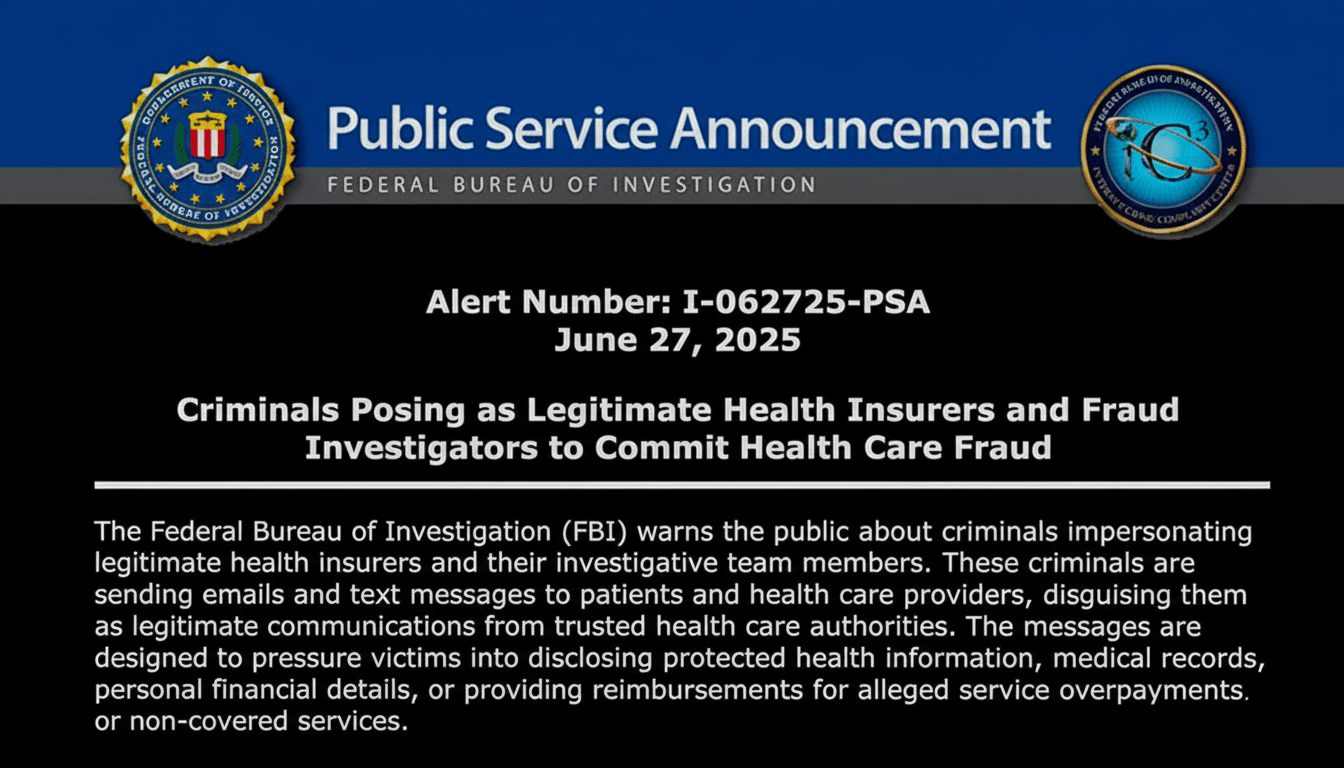
This is the classic third‑party risk problem in healthcare: a business associate holds just enough information to deliver essential services, yet its compromise can cascade across regional health systems and safety‑net clinics with limited security resources.
The Bigger Picture In Health Tech Security
TriZetto’s disclosure lands amid heightened scrutiny of healthcare infrastructure following the widely disruptive ransomware attack at Change Healthcare, a clearinghouse that processes roughly 15 billion healthcare transactions annually. That incident demonstrated how a single hub can interrupt prescriptions, claims, and revenue cycles nationwide.
Independent research has consistently found healthcare to have the highest average breach costs, now above $10 million per incident, reflecting expensive forensics, prolonged remediation, regulatory exposure, and patient support. The sector’s reliance on EDI, aging interfaces, and sprawling vendor ecosystems remains a prime target for financially motivated groups.
What Impacted Patients Should Do Now To Protect Themselves
- Monitor credit reports and consider a credit freeze with all major bureaus to block new accounts.
- Request an IRS Identity Protection PIN to safeguard tax filings.
- Review explanation of benefits statements and pharmacy histories for unfamiliar services; dispute errors immediately with your insurer and provider.
- Ask your plan for a new member ID if your policy number is exposed.
- Be alert to targeted phishing that references your clinic, plan, or provider—criminals often weaponize details from eligibility files to sound legitimate.
- If medical identity theft is suspected, use your rights under HIPAA to obtain records and request amendments, and file reports with the FTC and state authorities.
What Regulators And Payers Will Watch In The Aftermath
The disclosure is likely to draw attention from the HHS Office for Civil Rights and state attorneys general, focusing on vendor oversight under business associate agreements, incident timing, and the scope of notifications.
Health plans and large systems will press for evidence of sustained improvements, including:
- 24/7 monitoring
- Strict least‑privilege controls for service accounts
- Encryption of EDI repositories
- Data minimization on eligibility logs
- Rapid anomaly detection for bulk data transfers
For a sector built on trust, the path forward is clear but demanding: tighter third‑party risk management, faster detection, and a hard pivot from convenience‑first integrations to resilient, security‑by‑design architectures.