


After spending nearly a decade on the market, eSIM is at last breaking out of its niche. Global use was around 3% last year and is on pace to surpass 5% this year — a small base, but one that belies accelerating momentum. The catalyzing element: Frequent travel is encouraging the foregone conclusion of digital connectivity, and a wave of compatible phones makes eSIM an easy default rather than a tech experiment.
Analysts and startups both say that the trend line is pointing upward as consumers find out changing networks can be a case of point-and-scan. It’s a change that severs the connection between connectivity, plastic, and storefronts, one that tends to stick once people experience it and find they can’t go back.

Push From Device Compatibility Drives eSIM Mainstream
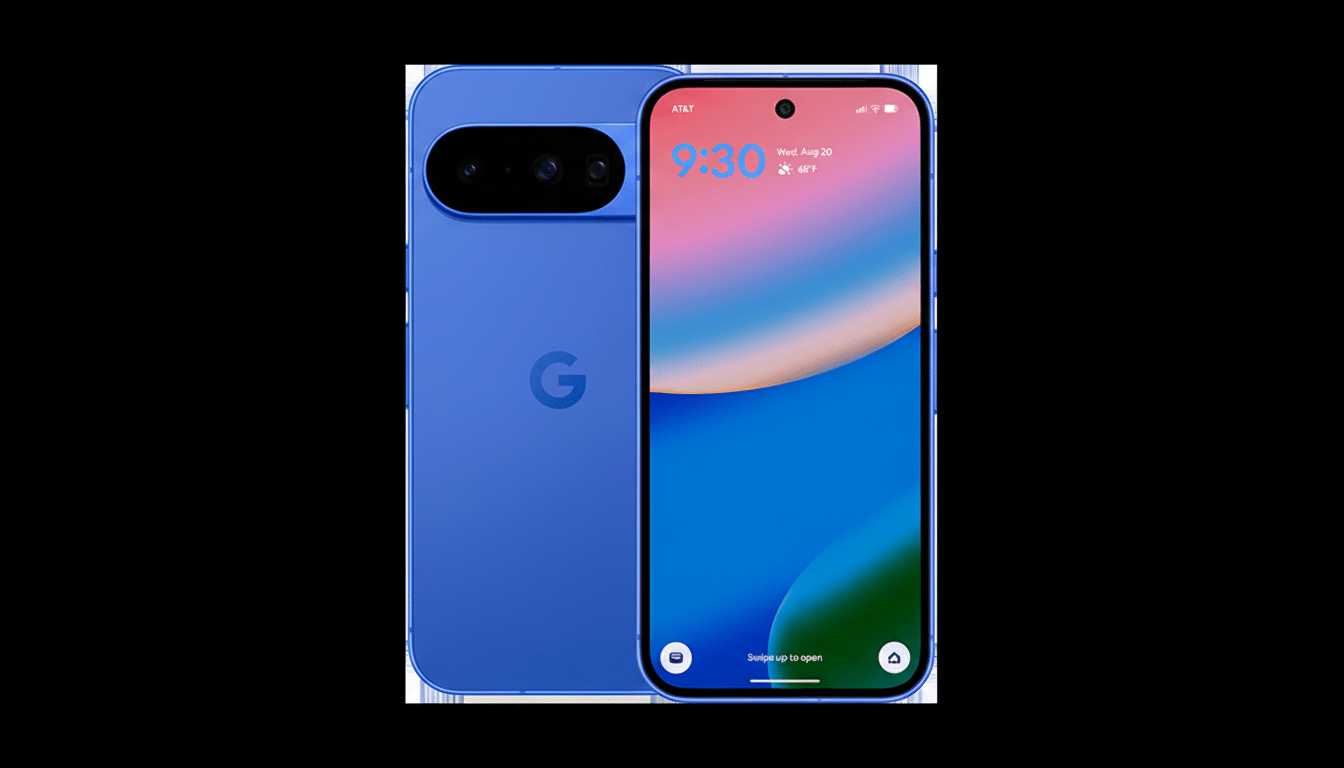
Hardware is catching up fast. The first major milestone was Apple’s announcement that it would go eSIM-only in the U.S. this year; Google announced a similar plan for its upcoming Pixel 10. Apple has since expanded eSIM-only offerings with the iPhone Air and one version within the iPhone 17 series across about a dozen countries, citing design advantages including slightly larger batteries now that there is no longer a SIM tray.
2024, however, was the year availability expanded competition beyond flagships. According to Counterpoint Research, eSIM was supported on only 23% of smartphones in 2024 — but the U.S. led with 41% of new devices supporting it. Over 60 eSIM smartphones were launched during the first half of 2025, a move to the mid-range price bands where volumes are significantly higher, GSMA said.
The upshot: With support being built out across Android and iOS, consumers will be introduced to eSIM at activation — no specific know-how needed — nudging the concept from novelty to commonplace.
Travel Emerges as the Killer App for eSIM
Travel is doing for eSIM what contactless payments did for tap-to-pay. According to a GSMA survey, 51% of eSIM users use it when they travel since unlocking instant local data and keeping a home number connected are obvious choices for the wallet. Security also plays a role: eSIM profiles are linked to secure hardware modules, making them more difficult to clone or tamper with compared with regular SIMs.
A travel tailwind is powering up a group of specialized providers. Names such as Airalo, Holafly, Nomad, esim.me, Truely and Saily (from the folks behind Nord’s security products) have turned what used to be a kiosk purchase process into a two-minute app flow. For Airalo, 85% of recent in-app survey respondents were using eSIM for the first time, and it estimates around 15% of travel connectivity is already eSIM-based — momentum that starts compounding once users can get over the learning curve.
The numbers are now starting to add up. Truely says it has worked with more than 70,000 travelers over two years and doubled its orders this year. Saily surpassed the seven-digit user base mark in its first year. Holafly says it has sold over 15 million eSIMs since 2018, with its total revenue exceeding $500 million and reaching $200 million in 2024. Carriers are even getting in on the act: Vodafone tested a travel eSIM specifically created for footie fans attending games across Europe.
Investor interest has followed. July’s $220 million raise for Airalo.
China’s Turn as a Tipping Point for eSIM Adoption
One of the biggest wild cards is China. Chinese network operators began to accept eSIM this autumn after the introduction of an eSIM-only iPhone. According to analysts at GSMA, domestic powerhouses — including Huawei, Xiaomi, Oppo and Vivo — will extend support for eSIM across their portfolios as local demand increases.
With that kind of muscle in price-sensitive markets throughout Asia and Africa, even a slow ramp — a year of both physical SIM and eSIM, followed by an additional year of eSIM-only — is longer than most people believe it will take to go full eSIM across the new iPhone line (certainly by year three) and could cause (a) substantial installed base creation, as well as (b) super-reducing the discovery-to-onboarding chasm for first-time users.
Activation Is Up, but Onboarding Friction Remains
Demand is meeting supply halfway. Kaleido Intelligence saw around 30% activation on eSIM-capable devices in 2024 and predicts that for 2030, the figure will be more like 75% as people churn during travel or planned upgrades. The rest of the friction is largely onboarding: QR codes sent via email often require a second screen, not great when you arrive at an airport.
The industry knows it needs to be easier. The GSMA’s eSIM specifications enable smoother provisioning of devices, and phone makers have been adding quick-transfer features between phones. But carriers need to upgrade legacy systems so that customers can activate phones, port numbers, and manage their profiles entirely digitally — no visits to stores, no paper cards collected in a bin at the mall, no clogging up a call center.
What Comes Next for eSIM as Adoption Accelerates
Anticipate a shakeout between travel-focused providers in the crowded eSIM market as investors demand durable economics: customer loyalty, network quality and smart distribution through airlines, banks and super-apps. Domestic use cases — from second lines to temporary data boosts — will also expand as mid-range phones begin shipping with eSIM as standard.
The general track is clear. As tourism returns, China steps in and more devices ship eSIM-ready, digital connectivity is becoming an assumed amenity, going from nice-to-have to the norm. Once they do, if history is any guide, whether for dating apps or internet browsers used at work, consumers tend not to look back — and that’s the kind of change in behavior that transforms single-digit adoption into table stakes.