


Most people do not have a money problem. They have a visibility problem. At the end of the month, they look at their bank balance and wonder where it all went. Bills were paid, groceries were bought, a few meals out happened, maybe a subscription or two renewed. But without tracking, it all feels like a blur.
When spending is invisible, decisions are reactive. You adjust only when something goes wrong. You might notice your balance dipping and suddenly start worrying about credit card debt or researching topics like title loan interest rates because you feel short on cash. The stress often comes not from one big mistake, but from a series of small, untracked ones.
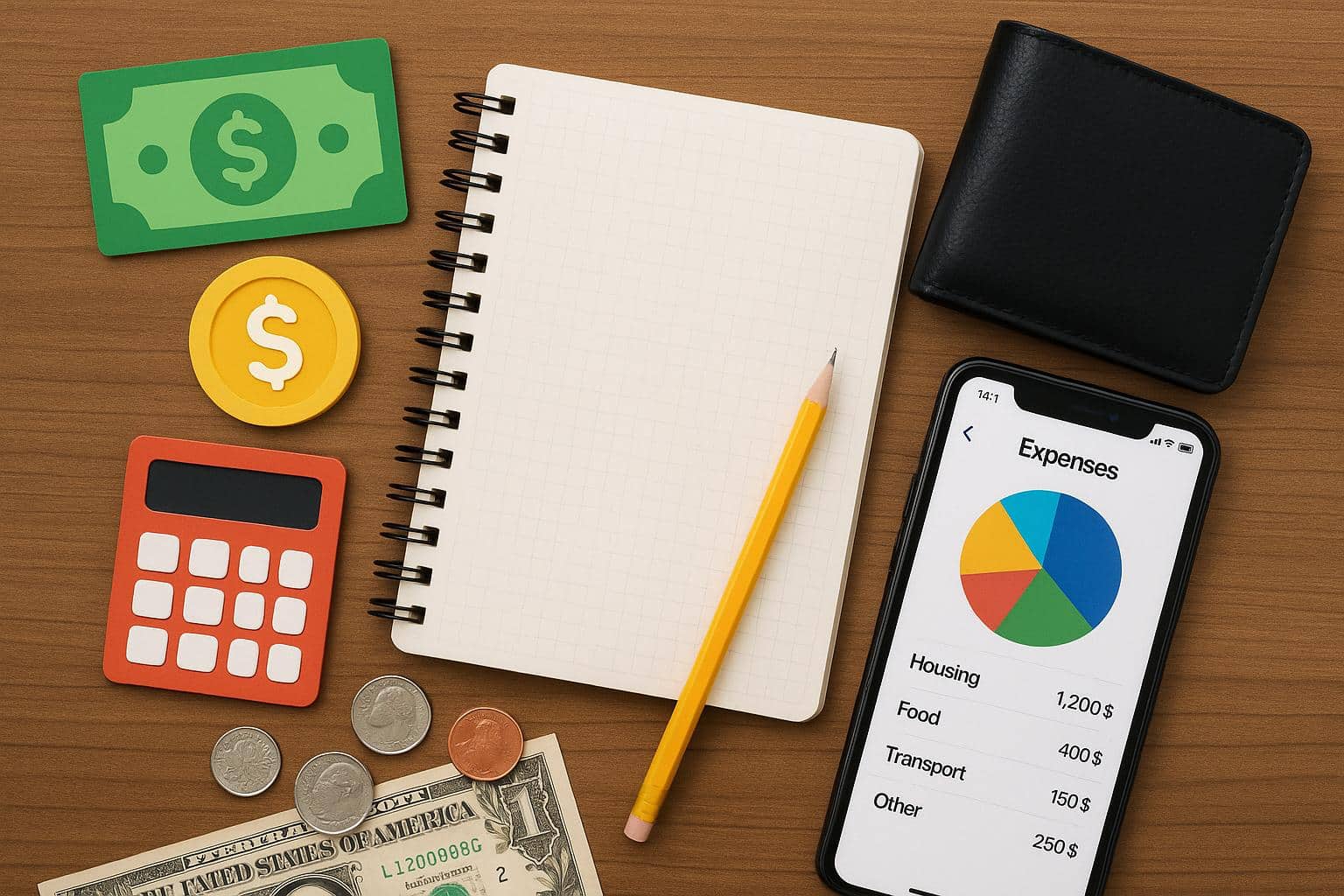
Tracking your spending is not about obsessing over every penny. It is about staying aware. When you deliberately record where your money goes, you turn guesswork into clarity. That clarity becomes the foundation for budgeting, saving, and avoiding unnecessary debt.
Awareness Changes Behavior
There is something powerful about writing things down. The simple act of recording an expense makes it real. It shifts you from passive spender to active observer.
When you track spending consistently, patterns emerge. You see how often you grab takeout. You notice recurring subscriptions. You recognize which categories grow faster than expected.
The Consumer Financial Protection Bureau provides practical tools that help individuals track spending and build budgets around real numbers. Their budgeting resources emphasize awareness is the first step toward financial stability.
Without tracking, you are reacting. With tracking, you are steering.
Choose a Tracking Method You Will Actually Use
The best tracking system is the one you will maintain. Some people prefer a notebook. Others use spreadsheets. Many rely on budgeting apps connected to their bank accounts.
The format matters less than consistency. If you enjoy writing things down, keep a small notebook or use a digital note on your phone. If you prefer automation, choose an app that categorizes transactions for you and allows adjustments.
What matters most is reviewing your spending regularly. Daily tracking builds the strongest awareness, but weekly reviews can also be effective.
Keep it simple enough that it does not feel like a burden.
Track Every Dollar, Not Just Big Purchases
It is easy to track major expenses like rent or car payments. The challenge lies in small, frequent purchases. Coffee. Snacks. Online shopping. Digital subscriptions. These often slip under the radar.
Tracking every dollar means recording all spending, no matter how minor it seems. Small amounts add up over time. Seeing the total can be eye opening.
For example, five dollars spent daily becomes over one hundred fifty dollars per month. That awareness can lead to more intentional decisions.
Tracking does not require immediate change. It requires honesty first.
Review and Reflect, Not Just Record
Tracking alone is not enough. The real value comes from reviewing your data.
At the end of each week or month, look at your totals by category. Compare them to your income and savings goals. Ask yourself a few questions. Did my spending reflect my priorities? Were there emotional triggers behind certain purchases? Are there categories that consistently exceed expectations?
The Federal Trade Commission offers educational information about managing credit and understanding financial obligations. Reviewing reliable financial guidance alongside your spending patterns can strengthen informed decision making.
Reflection transforms numbers into insight.
Use Tracking to Prevent Debt
One of the biggest benefits of tracking spending is its role in preventing unnecessary debt. When you are aware of your cash flow, you are less likely to rely on credit impulsively.
If you notice discretionary spending creeping up, you can adjust before balances accumulate. If a particular month looks tight, you can cut back early rather than scrambling later.
Tracking gives you time to respond thoughtfully instead of reacting under pressure.
Debt often builds quietly. Awareness interrupts that process.
Turn Tracking Into a Habit, Not a Reaction
Many people start tracking only after a financial scare. A declined card. An overdraft fee. A stressful bill. While those moments can motivate change, sustainable tracking works best as a routine, not a crisis response.
Set a regular time for financial check ins. Ten to fifteen minutes once or twice a week is enough. Review transactions, categorize them, and update your totals.
Over time, this routine becomes automatic. You stop fearing your bank balance because you are familiar with it.
Consistency builds confidence.
Link Spending to Your Goals
Tracking becomes more meaningful when connected to specific goals. Whether you want to build an emergency fund, pay off debt, or save for travel, your spending data helps you measure progress.
When you see that reducing dining out by fifty dollars a month accelerates your savings timeline, motivation increases. The numbers feel purposeful rather than restrictive.
Awareness turns everyday decisions into strategic ones.
Tracking your spending to stay aware of your finances is not about perfection. It is about clarity. When you deliberately record where every dollar goes, you uncover patterns, prevent surprises, and align your money with your priorities.
Over time, tracking shifts your relationship with money. Instead of wondering where it went, you know. Instead of reacting to shortfalls, you anticipate them. Instead of feeling stressed by uncertainty, you feel grounded in data.
That awareness is not just a budgeting tool. It is the foundation of financial control and long term stability.