


Driving near large trucks requires extra caution because commercial vehicles are bigger, heavier, and need more time and space to stop, turn, and change lanes. Understanding how trucks operate and adjusting your driving habits can significantly reduce the risk of accidents and help everyone on the road travel more safely.
Sharing the road with tractor-trailers is a normal part of everyday driving, especially on highways and busy interstates. While most truck drivers operate their vehicles responsibly, the size and weight of these vehicles mean that even a small mistake can have serious consequences. Knowing how to drive safely around them can make a big difference.
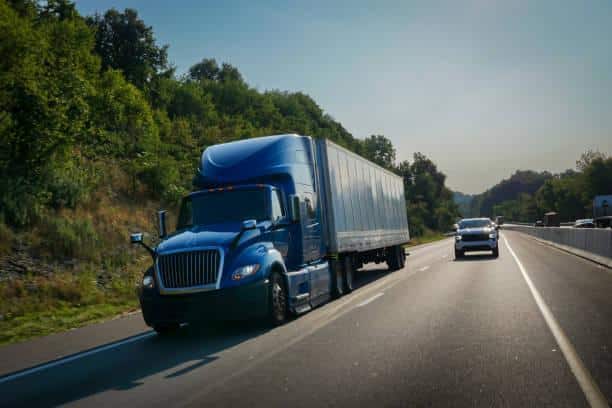
Whether you’re commuting to work or taking a road trip, learning to stay safe around large trucks starts with recognizing their limitations and practicing defensive driving every time you get behind the wheel.
Stay Out of Blind Spots
Large trucks have substantial blind spots, often called “no zones,” where the driver cannot see nearby vehicles.
These blind spots are located directly in front of the truck, behind the trailer, and along both sides, especially the right side. If you cannot see the truck driver’s side mirrors, there’s a good chance the driver cannot see you either.
Pass through these areas as quickly and safely as possible instead of driving beside the truck for long periods.
Give Trucks Plenty of Space
Commercial trucks require much more distance to stop than passenger vehicles.
Avoid cutting in front of a truck after passing, even if you think there is enough room. Sudden lane changes can leave the truck driver with little time to react, especially during heavy traffic or poor weather.
Leaving a generous following distance also gives you more time to respond if the truck slows down unexpectedly.
Pass Safely and Confidently
When passing a truck, always do so on the left whenever possible.
Signal your intention, maintain a steady speed, and avoid lingering beside the trailer. Once you can clearly see the entire truck in your rearview mirror, you can safely return to your lane without cutting the truck off.
Avoid passing on downhill sections or in areas with limited visibility.
Be Patient During Wide Turns
Large trucks often need additional space to complete turns.
A truck may swing slightly in the opposite direction before making a right turn to create enough room for the trailer. Never try to squeeze between the truck and the curb during this maneuver.
Waiting a few extra seconds is far safer than attempting to pass a turning truck.
Watch for Changing Road Conditions
Rain, snow, strong winds, and reduced visibility affect both passenger vehicles and commercial trucks.
Because trucks are heavier, they require even more stopping distance on wet or slippery roads. Give trucks extra room during bad weather and avoid sudden braking or aggressive lane changes.
Adjusting your speed to match road conditions helps reduce the risk of collisions.
Avoid Distracted Driving
Distracted driving is dangerous under any circumstances, but it becomes even riskier around large commercial vehicles.
Keep your attention on the road, avoid texting while driving, and stay alert to traffic changes. Being fully focused allows you to react quickly if a truck brakes, changes lanes, or encounters an emergency.
A few seconds of distraction can lead to a serious accident.
Anticipate Truck Movements
Commercial drivers often need more room to merge, change lanes, or navigate highway exits.
Pay attention to turn signals and allow trucks enough space to complete their maneuvers safely. Driving aggressively or refusing to yield can create unnecessary hazards for everyone on the road.
Defensive driving benefits both truck drivers and passenger vehicles.
Stay Calm and Drive Defensively
Safe driving is about making predictable decisions.
Avoid speeding, weaving through traffic, or competing with larger vehicles for road space. Instead, maintain a safe following distance, use your mirrors frequently, and remain aware of surrounding traffic.
Patience and defensive driving greatly reduce the likelihood of an accident.
Key Takeaways
- Large trucks require more time and distance to stop than passenger vehicles.
- Stay out of truck blind spots whenever possible.
- Leave plenty of following distance behind commercial trucks.
- Pass trucks safely and avoid cutting in front of them.
- Never drive beside a truck during a wide right turn.
- Slow down and leave additional space during poor weather conditions.
- Avoid distracted driving and remain alert around commercial vehicles.
- Defensive driving helps everyone share the road safely.