


Threads is adding a small, but meaningful upgrade to long-form discussions: clear labels and cleaner views of multi-part posts. The change looks to address a common sore spot for anyone who’s tried to live-post an event or break a story into pieces and seen followers miss the beat halfway through.
In more concrete terms, readers now know at a glance where they are in a series, and creators have a more dependable navigational tool to steer people through a narrative. It comes alongside other recent upgrades, such as a higher 10,000-character limit and the ability to include text attachments, and underscores Threads’ steady march toward more complex, more structured conversation.
What’s changing with the thread experience
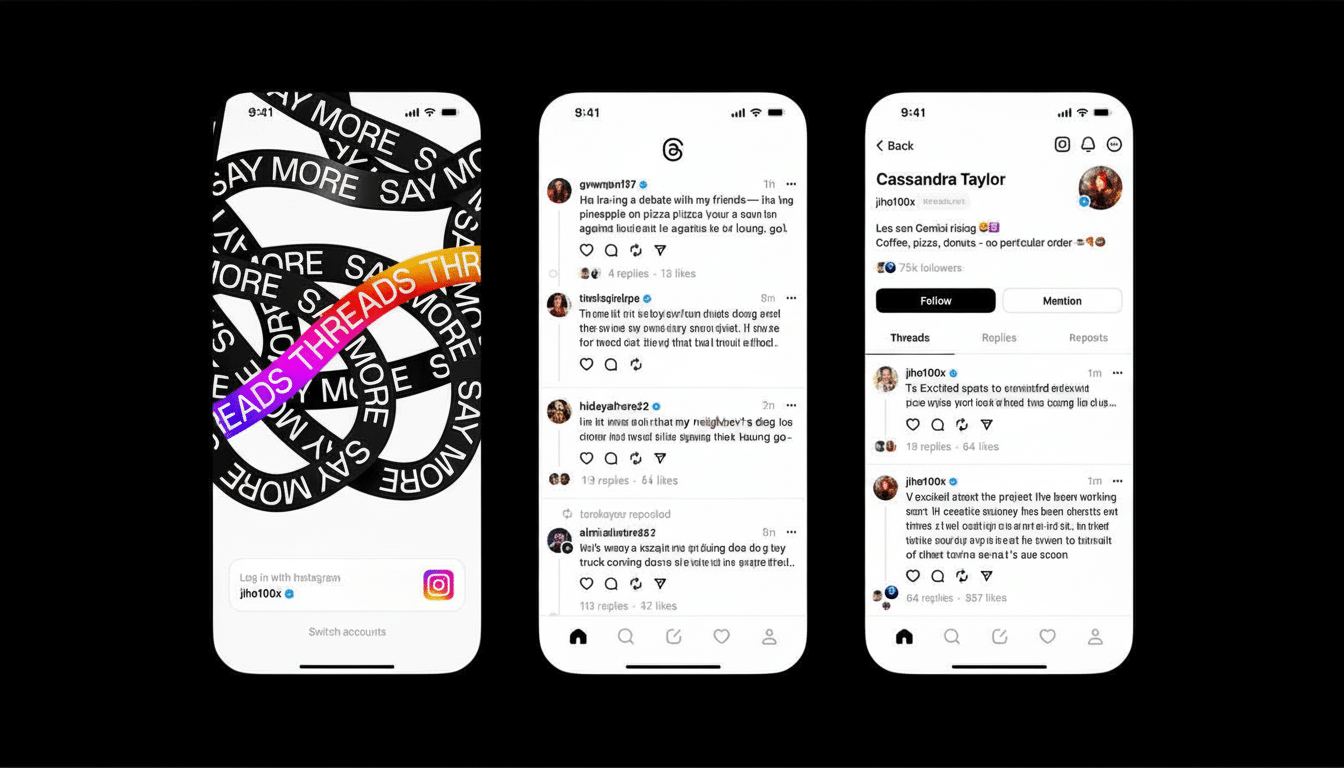
Posts in a series bear position markers — “1/4” or “3/6” — so readers instantly get a handle on sequence and scope. That one small cue cuts down on the back-and-forth scrolling that often goes off the rails in multipart updates on other services, especially when there is other content interspersed in the feed.
Profiles also manage multipart posts with greater nuance. Visitors are shown the beginning of a post (those are the first two in a thread, usually a motion indicator), then a compressed note from MG to CJ (or from sponsor to admin) of how many other posts they have to go. Tap in, and the entire sequence loads, in order, and gathers the author’s associated responses into one place. It’s a seemingly small presentation tweak with outsize benefits for usability.
Use cases are clear: live commentary of sports events, immediate coverage of breaking news, episode watch-alongs, and serialized explainers. Wherever continuity is significant, numbering and aggregating views diminish drop-off and help readers to work through what they’ve started.
Why it is important for creators and readers
It is more than a cosmetic fix, sequencing. It reduces cognitive load and promotes completion—both aspects that are strongly linked to engagement. When readers get shown a thread runs “1/5” not “1/? they’re more likely to not just stick with a series but commit to a genre long after its peak.
For creators, that sense of understanding can translate to increased session time and improved retention across multi-post storytelling. It also provides shiny packaged formats for editors and social teams to load complex news updates into, a long-standing gripe on those fast-moving feeds.
Scale amplifies the impact. Meta has said Threads already has more than 175 million monthly active users, and the larger the communities get, the more structure they need. Numbered labels and bundled views are table stakes for long-form social, but they’re critical when a platform is trying to woo newsrooms, sports leagues and creators who make videos in episodes.
How to make a multi-part thread now
Begin a post as you normally would, then use the “Add to thread” option in the composer to add the next entry. And so on, until the narrative is done. When you publish, the articles are linked and numbered from the moment you save them, so that they appear as a series on your profile, and in the detailed view.
If you’re posting live, you might keep an eye on the key beats and fill in details as you go. Make each entry about one step in the story and use the final post as your recap or takeaway. The new numbering does the heavy lifting re: orientation–your job is to keep the cadence tight and the transitions clear.
Competitive landscape and design trade-offs
Other social media companies have grappled for years with readabilit of threads. Longtime users on competing networks frequently turn to manual numbering or third-party “unroll” tools to tame sprawling chains. Threads’ method bakes those conventions right into the UI, clearing up some ambiguity without asking creators to hack the format.
It’s a trade-off between discoverability and cohesion: Numbered threads are less confusing to keep track of, but they also suggest to readers that they should be prepared to spend some time here. The profile preview that displays the first two posts along with an “and more” indicator is a reasonable middle ground — it’s enough to grab interest without suffocating the screen.
What to watch next
As you can imagine, Meta will A/B test specifics like where labels appear, how they truncate in the feed and whether long threads receive automatic collapse/expand controls. Also look for such analytics as who completes or drops off a thread — signals that could help creators tune pacing and length.
Along with expanded character limits and richer attachments, the new thread-handling suggests that Threads is stepping into the world of structured storytelling, rather than purely racing for brevity. If we want complex conversations to be legible at speed, clearer sequencing is a smart, belated step.