


Few objects in the history of games carry as much symbolic weight as a spinning wheel. It shows up everywhere – in folklore, in game shows, in parlor games, in carnival midways – and it always means roughly the same thing: fate is about to be decided, and the decision is going to be visible, physical, and final. The wheel spins, everyone watches, and whatever it lands on is what happens. There’s no arguing with it. There’s something almost comforting about that clarity, which might explain why the format has survived every technological shift the entertainment industry has thrown at it.
Roulette is the wheel’s most enduring form, and its persistence across centuries and formats is genuinely worth examining. The game crossed from physical casinos to online platforms and lost almost nothing essential in the process – a fact that’s not obvious until you consider how many other casino games struggled with that transition. The reason, most analysts agree, is that roulette’s appeal was never primarily about the physical environment. Platforms built around the format understand this well – something like online casino roulette royal brings the spinning wheel into a contemporary streaming context with live dealers and cinematic production, and the game remains entirely itself, because the core experience is the wheel, the ball, the wait, and the number. Everything else is staging. The ritual doesn’t change.
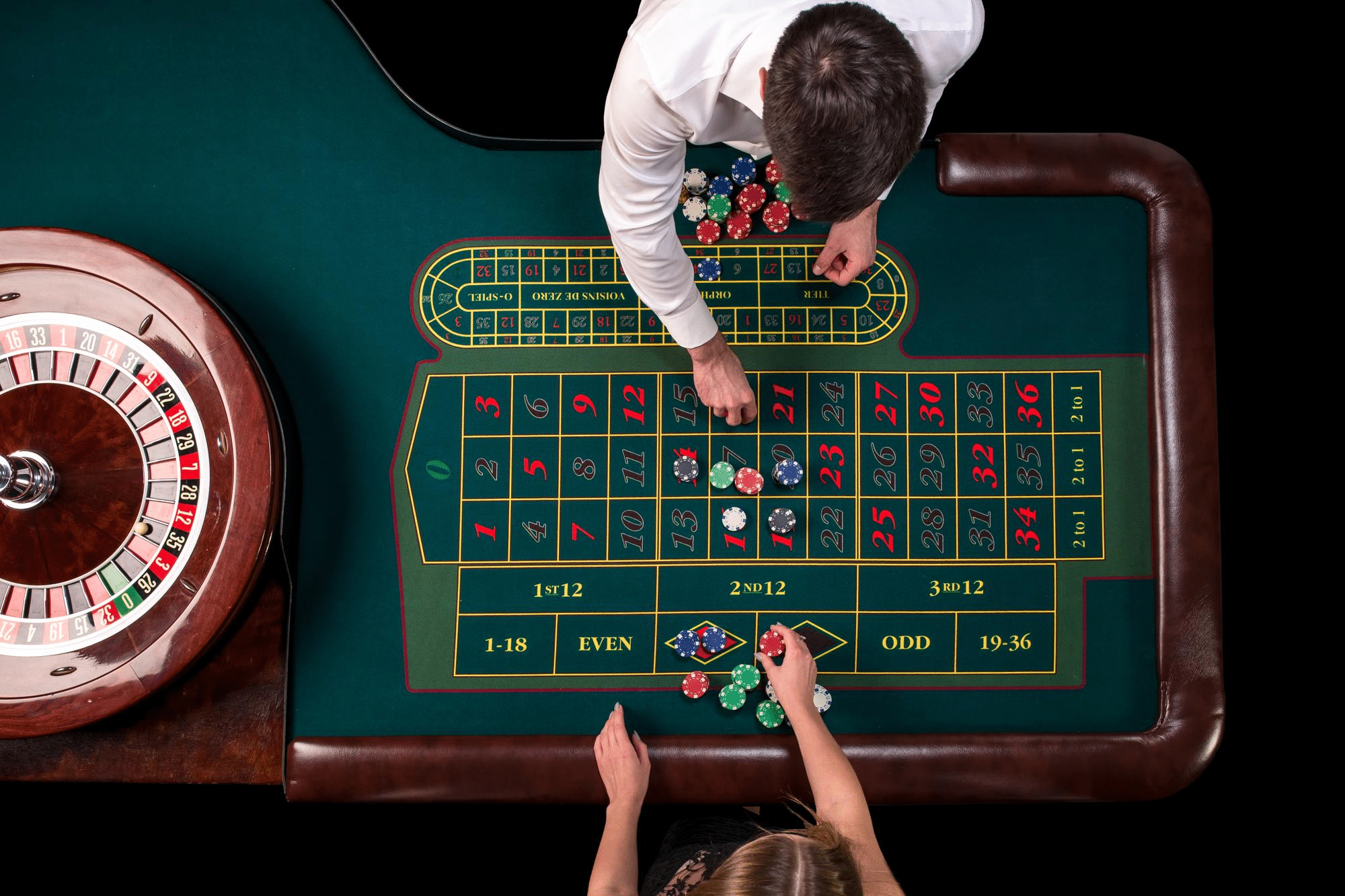
Why the wheel is a cultural thing that works
The spinning wheel touches on something that goes beyond game design. In many cultures and over many years, circular motion has been linked to fate, cycles, and powers that are bigger than a person’s will. The idea of the wheel of fortune goes back hundreds of years before gambling. When the designers of roulette put a spinning wheel in the middle of the game, they were using a symbolic language that players already knew on an instinctive level. This isn’t magic; it’s a design idea. The wheel makes the randomness real and visible in a way that a card draw or a dice roll doesn’t quite do. You can see the ball moving. You can watch it slow down. You can observe the moment of decision as it happens, rather than receiving the result as a fait accompli. That visibility is what creates the specific tension roulette produces, and it’s why the format translates so effectively to a broadcast context where an audience is watching in real time.
The ritual of the wait
| Element | What it does | Why it matters |
|---|---|---|
| The spin itself | Creates shared anticipation | Everyone watches the same thing simultaneously |
| The ball’s deceleration | Builds tension incrementally | The outcome approaches gradually, not instantly |
| The moment of landing | Delivers clear resolution | Unambiguous result, no interpretation required |
| The dealer’s call | Formalizes the outcome | Adds ceremony to what could be purely mechanical |
| The visual layout | Keeps all possibilities visible | Player maintains sense of the full possibility space |
The table maps what actually happens during a roulette round and why each element pulls its weight. The ritual structure of the game – spin, watch, wait, resolve – is essentially unchanged whether you’re sitting at a physical table in Monaco or watching a live stream from your phone. That structural stability is rare in entertainment. Most formats have to reinvent themselves every decade or so. Roulette’s core ritual has been running continuously for over two hundred years.
What modern formats added
The live streaming era didn’t change roulette – it gave it a new stage. The addition of multiple camera angles means viewers can watch the ball from perspectives that weren’t available at a physical table. The chat layer means that the communal experience of watching a wheel spin, which used to require physical proximity, now happens across thousands of simultaneous connections. The dealer’s personality becomes a meaningful part of the experience in a way it couldn’t be in the anonymous physical casino environment.
None of these additions alter the fundamental appeal. They amplify it, extend it to new audiences, and make it accessible in contexts that the physical format never reached. A game show viewer who enjoys watching a wheel determine outcomes and a casino player who has been following roulette for decades are responding to the same underlying thing – and the modern live casino format is the first context that serves both audiences simultaneously without compromising what either of them came for.
Why some things don’t need reinventing
The spinning wheel’s durability in entertainment culture is a reminder that some experiences are genuinely complete. Not every format needs disruption or reimagining. Sometimes the work of the current generation is to find the best possible stage for something that already works – to clear away whatever has accumulated around it, present it clearly, and let the original appeal do what it has always done. Roulette has survived this long because it was well-designed from the beginning. The wheel spins. The ball lands.