


Most of us have good intentions when it comes to eating better. We promise ourselves we’ll cook more at home, eat more vegetables, or finally pay attention to what goes on our plates. The problem is that healthy eating can quickly become confusing. One article tells you to eat more protein, another says you need more fiber, and someone else insists you should avoid certain foods completely. If you’re tired of guessing, Cronometer is a great place to start because it helps you understand your nutrition instead of simply telling you what to eat.
I used to think that eating healthy meant counting calories and hoping for the best. That worked for a while, but it never answered the bigger question. Was I actually getting the nutrients my body needed? Once I started paying attention to vitamins, minerals, and overall balance, I realized there was much more to nutrition than the number at the bottom of the screen. What I like about Cronometer is that it makes those details easy to see without making the process feel overwhelming.
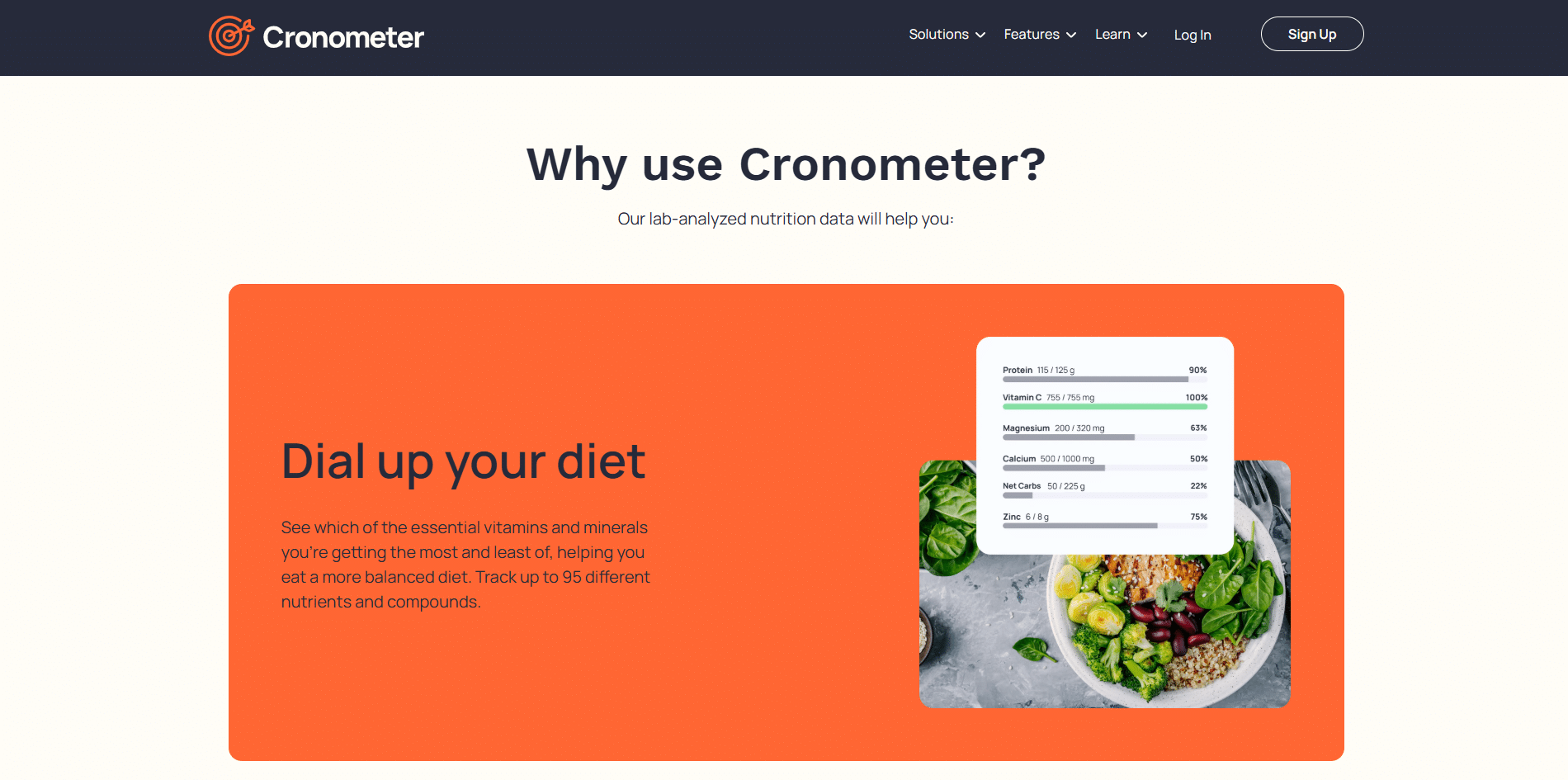
One thing I noticed after using it for a while was how often my assumptions were wrong. There were meals I thought were perfectly balanced that were missing important nutrients, while some simple homemade dishes turned out to be surprisingly nutritious. That kind of feedback helped me make better choices naturally. Instead of following random advice online, Cronometer gave me information based on what I was actually eating every day.
The biggest difference wasn’t that I suddenly started eating perfectly. It was that I stopped feeling guilty every time I enjoyed a treat or had a busy day. Real life includes family dinners, celebrations, takeout, and weekends when plans change. Looking at my habits over time made much more sense than worrying about one meal. Cronometer helped me focus on consistency instead of perfection, and that mindset felt much healthier than trying to follow impossible rules.
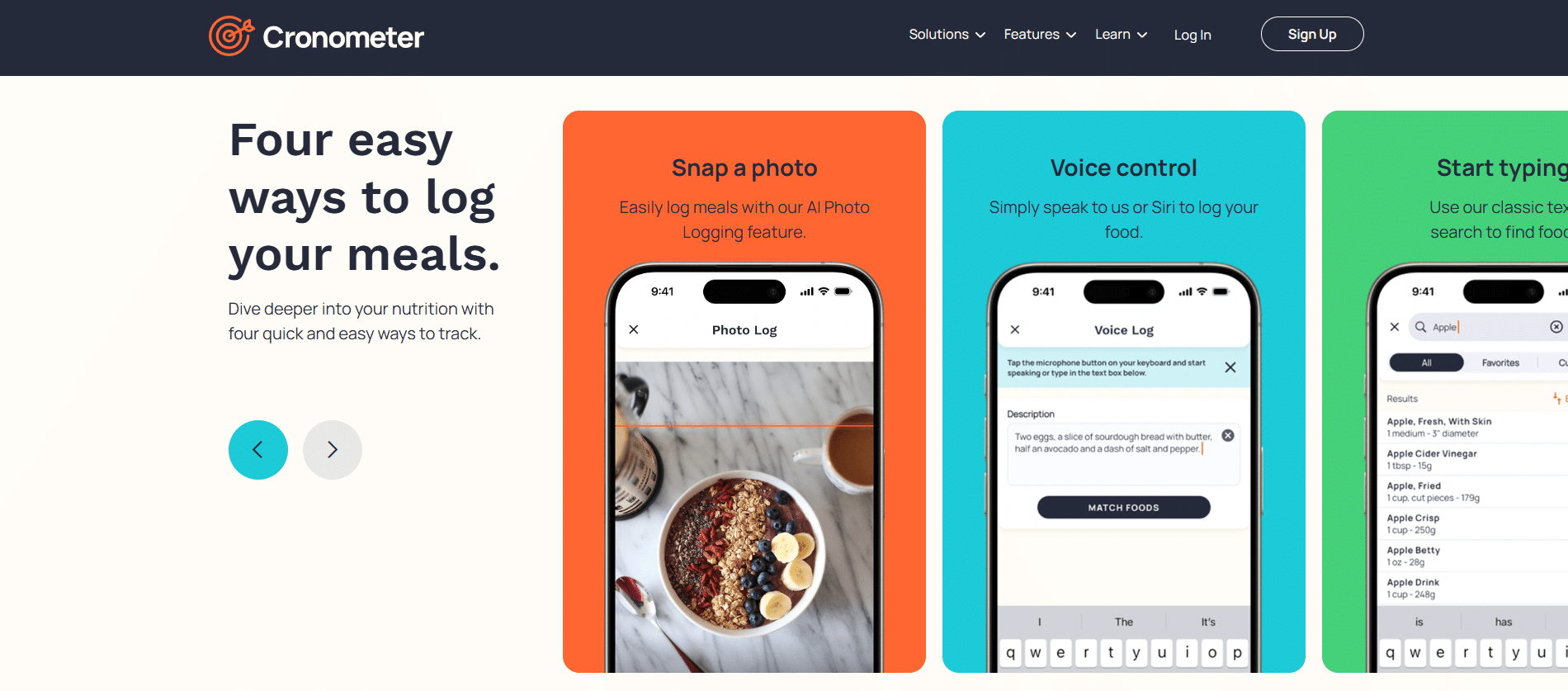
Something else I appreciated was how small changes started adding up. After noticing I wasn’t eating enough fiber, I added fruit to breakfast and another serving of vegetables with dinner. I didn’t completely change my diet overnight, but those simple adjustments became habits that lasted. That is what makes Cronometer feel practical. It encourages steady improvement rather than dramatic changes that are difficult to maintain.
At the end of the day, healthy eating should help you feel better, not create more stress. Understanding what your body is getting each day gives you confidence to make smarter decisions without obsessing over every bite. If you’ve been looking for a realistic way to learn more about your nutrition, Cronometer is worth exploring. Start today, take a closer look at your everyday meals, and let small, informed choices lead you toward healthier habits that can last for years.