


I’ve tried enough of the brand’s wearables that I can nearly count how many buttons, data fields and training widgets they offer along with the Scoville number of my mouth from where I last ate some spicy food. And yet, my old reliable everyday watch is still staring me in the face with its least-serious one possible: a cartoon dog sipping coffee obliviously while everything floats and burns around him. It’s the “This Is Fine” watch face on the Connect IQ store, and as comically unhelpful as it might seem, it’s been the only face that I genuinely miss whenever I use a different device.
Why a Meme Is Better Than a Metric on My Garmin
Garmin’s default faces play to this—a smorgasbord of stats lay before the wearer with steps, VO2 Max, Body Battery, weather, sun times and everything else under the (solar) sun. That’s terrific when you need a dashboard. But when I’m between intervals or gunning for a PR, the clutter can make this watch feel like homework on my wrist. The “This Is Fine” face inverts the narrative. A few flickering flames, a peaceful pup and no numbers. That’s the joke—and the point.
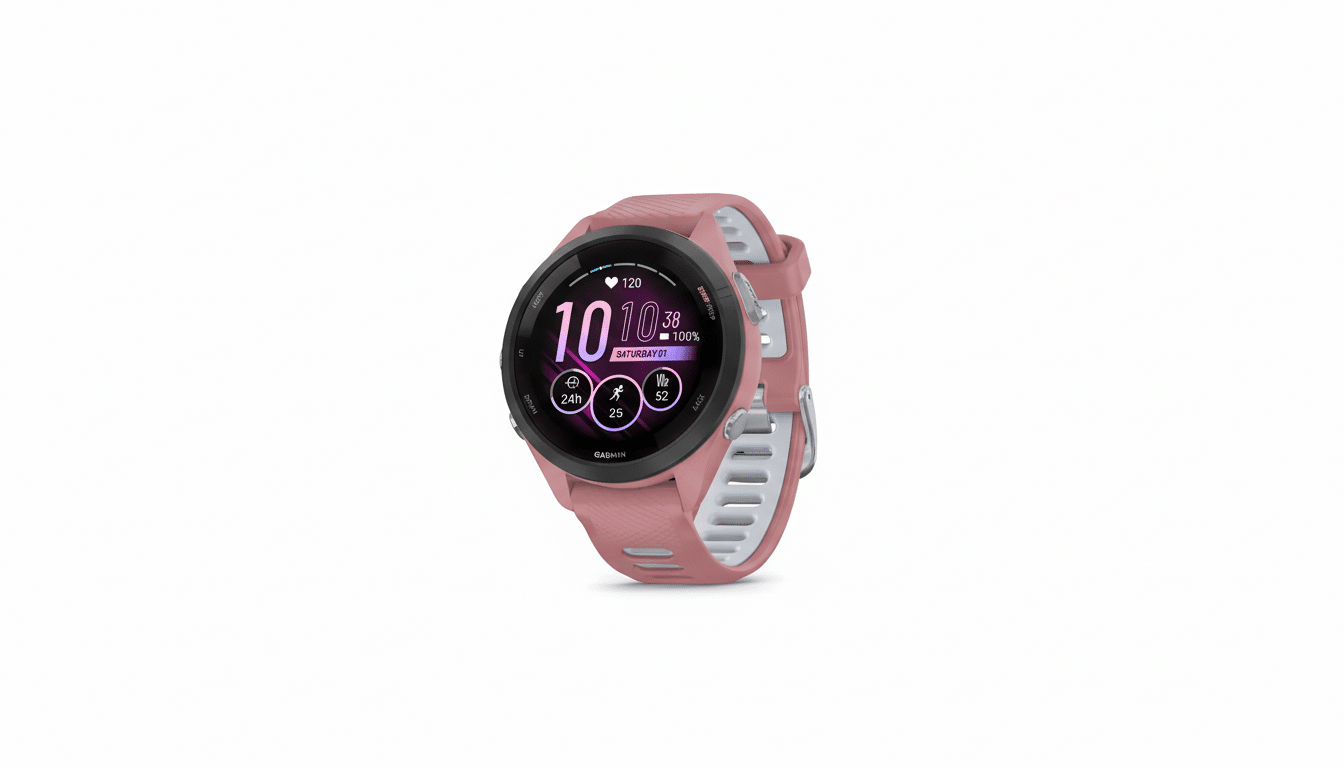
The original internet-famous scene, created by the artist KC Green, is funny because it’s so real. On a watch, it’s even better. It provides me a beat between meetings and miles to not measure anything out. I still receive rich metrics within activities and widgets when applicable, but my “home screen” is purposefully dumb. It’s a palate cleanser for an information-packed ecosystem.
The UX Argument for Less Distraction on Watch Faces
Design research on glanceable displays has warned for years against cluttered dashboards. The Nielsen Norman Group has written quite a bit about cognitive load and how dense interfaces reduce understanding at a glance—precisely the use case for a watch face. Studies of minimal UI design come to similar conclusions: humans have a limited amount of attention and each additional thing competes for it.
Sports tech reviewers often observe that athletes are checking one or two things during a workout — pace, heart rate, perhaps the time — and ignoring everything else. Translating that idea to the everyday watch face is logical. I want the training screens to be rich; I want the idle screen to be calm. It’s a small change but one that made my Garmin feel more personal and less like just another to-do list.
Battery Life and Screen Tech Benefits, Too
There’s a pragmatic benefit to a “silly” face, though: power efficiency. Garmin’s developer documentation states that frequent refreshes, animating the seconds, and multiple live complications can drain the battery — especially for AMOLED models like those found in the epix line or Forerunner 965 series. A face that updates sparingly — no second hand, simple animations — helps stretch the multi-day stamina Garmin is known for.
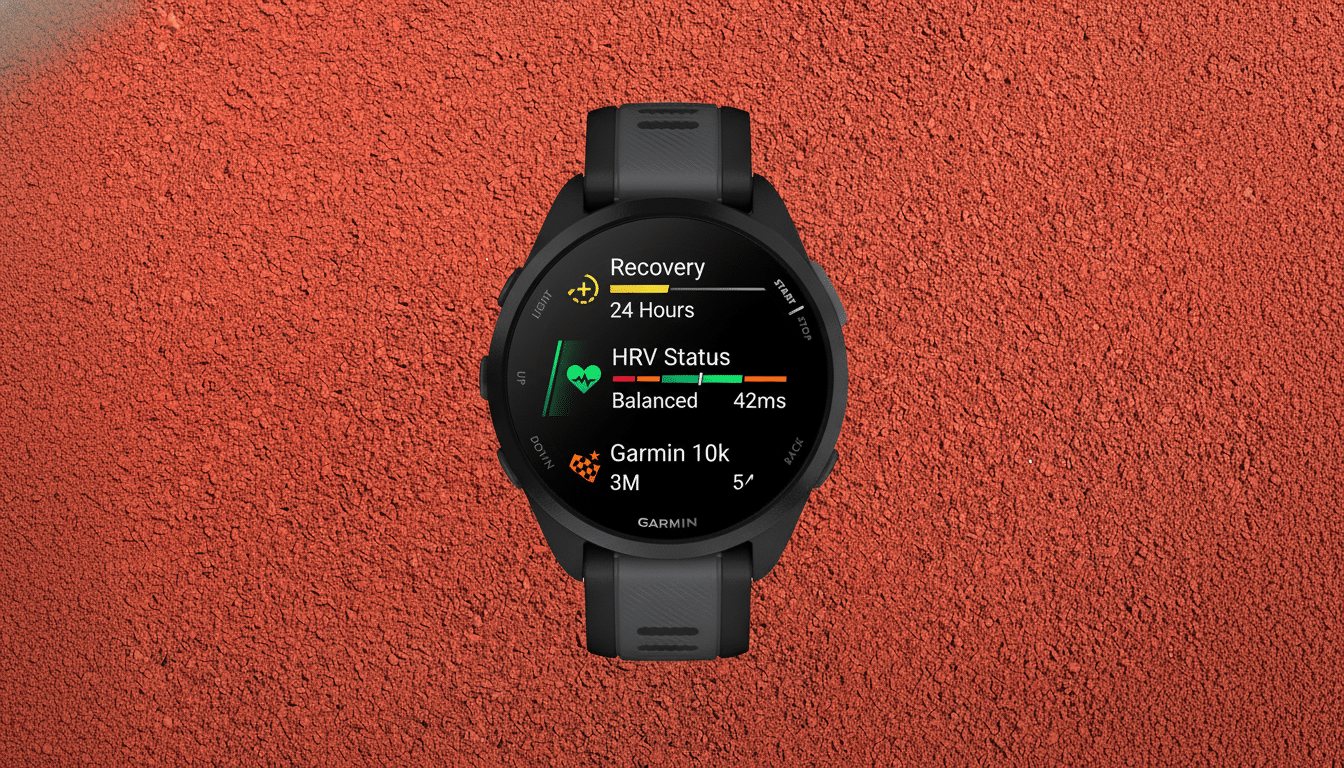
The difference between switching to this and a complex, information-dense face is noticeable from MIP displays down to AMOLED. It’s not life-support dramatic, but it’s very noticeable over the course of a week — fewer surprise top-ups and more confidence heading into a long trail day. And for that matter, whimsy pays.
Getting the Watch Face You Want in Connect IQ
The Connect IQ store is a rabbit hole with thousands of faces from independent creators to major brands. My recommendation: Filter to Watch Faces, then keep scrolling… and scrolling… before you download anything. Everything from minimalist, analog-inspired designs to licensed characters and animated landscapes can be found. Watch faces are the most downloaded item in Connect IQ, and this is evident by the sheer variety of them.
Just click over to the details page before you take the plunge. Search for any notes on battery usage, permissions or update frequency. On AMOLED devices, try faces that do not refresh second by second. If you’re tempted by premium faces — there are a lot of them, including officially licensed offerings — set a budget. Small purchases become big in a hurry when you’re cycling through looks for the fun of it.
A Modest Rebellion Against Over-Optimization
Garmin has stayed afloat because it caters to the human race’s peculiar fetish for numbers. I’m one of them. But the watch face I return to is a reminder that rest is part of training, and not every look has to be productive. When I want stats, I swipe. And when I need perspective, I glance at my wrist and see a dog, a mug and a room on fire — strangely comforting, every single time.
If you’re overwhelmed by metrics, try a face that makes you laugh. IDC ranks Garmin among the top tier of fitness wearables, and, again, that success is built on utility. It was all very obtuse, but there was something about pairing that utility with a dose of silliness that made my Garmin feel more useful every day. It’s transformed the interval between runs into something more tranquil — and that may be the most valuable feature of all.