


As Australians increasingly prioritise preventive healthcare, the demand for natural wellness solutions has surged significantly across the nation. The broader herbal and nutritional supplement market is experiencing immense growth, with industry projections estimating a value exceeding $2.2 billion by 2032. Within this booming sector, kava has emerged as a focal point for both researchers and wellness enthusiasts alike. Following the commercial importation allowances of the Australian Government’s Kava Pilot Program, the nation imported over 170,000 kilograms of kava in 2025 alone. This staggering volume highlights a mainstream shift towards plant-based relaxation alternatives. However, the transition from a traditional botanical to a commercial supplement requires a deep understanding of its unique chemical properties. For consumers seeking to navigate this growing space, identifying secure Buy kava options that prioritise safety is the essential first step before exploring the rigorous science behind the plant.
The Chemistry Behind Kavalactones and Chemotypes
The therapeutic and mood-enhancing effects of kava (Piper methysticum) are driven by a unique group of active compounds known as kavalactones. These organic chemicals are naturally concentrated in the plant’s dense root systems and interact directly with the central nervous system. Specifically, scientific research suggests that kavalactones modulate GABA receptors in the brain. This interaction produces a calming effect similar to traditional synthetic anxiolytics, but crucially, it does so without impairing cognitive function or creating pathways for physical addiction. Scientific frameworks categorise the plant into distinct chemotypes based on their specific kavalactone profiles. The two most critical classifications are Noble and Tudei (two-day) kava.
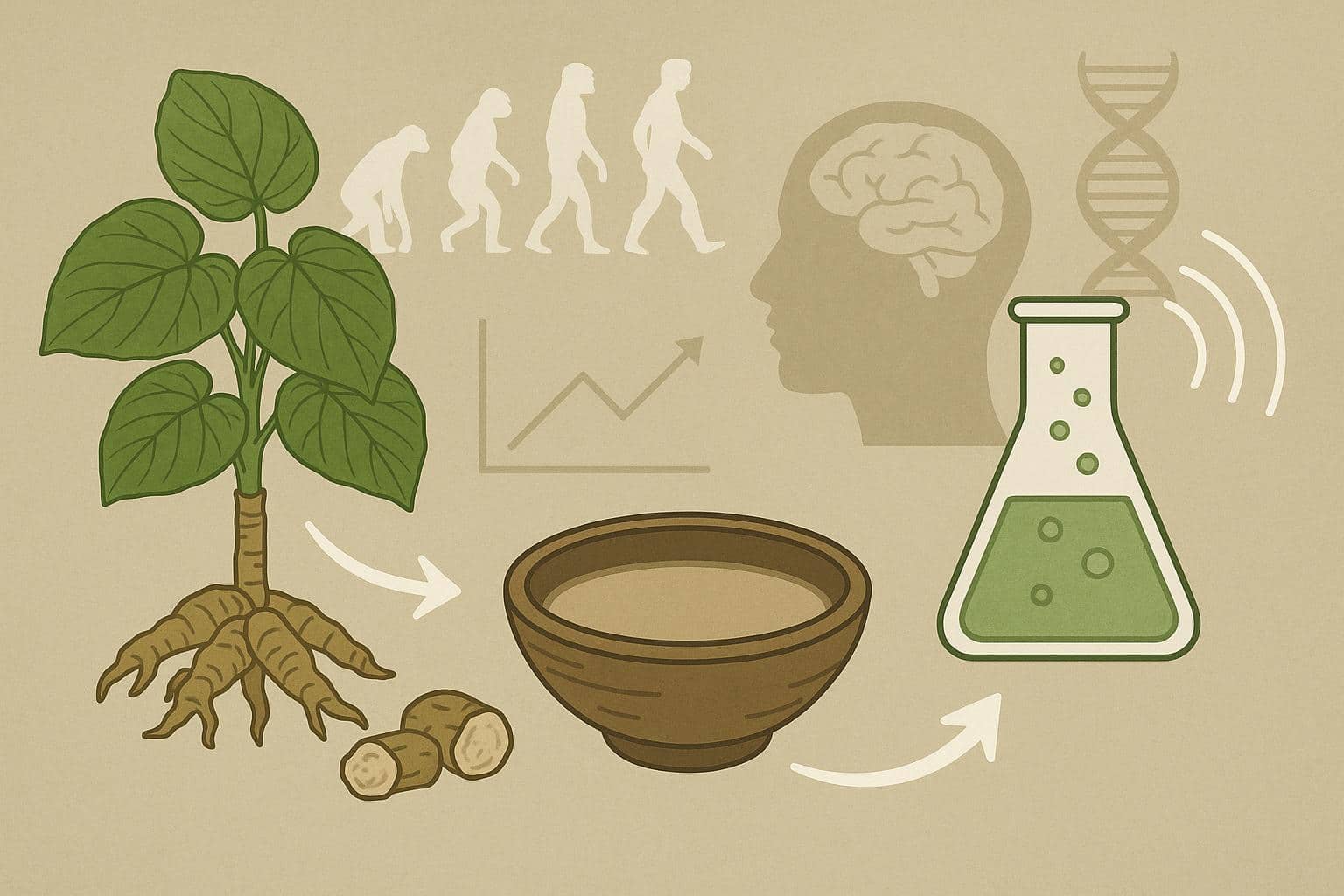
Understanding the precise differences between these botanical varieties is essential for consumer safety and product efficacy:
- Noble varieties: Universally considered the gold standard for human consumption, these cultivars feature high concentrations of kavain and methysticin. These specific compounds are metabolised efficiently by the body, producing a smooth, balanced sense of mental clarity and physical relaxation.
- Tudei varieties: These plants contain elevated levels of dihydromethysticin (DHM) and dihydrokavain (DHK). The human body metabolises these compounds at a much slower rate, which frequently causes prolonged lethargy, nausea, and noticeable next-day grogginess.
- Wild varieties: Often unpredictable in their chemical makeup, wild plants lack the centuries of selective breeding that have refined the Noble cultivars, making them entirely unsuitable for commercial export.
To protect global consumer safety, the Vanuatu government passed the Kava Act of 2002. This landmark legislation made it strictly illegal to export anything other than rigorously identified Noble varieties, safeguarding both public health and the region’s agricultural reputation as the premier source of the botanical.
Why Extraction and Processing Methods Matter
When it comes to botanical supplements, the journey from soil to shelf dictates the ultimate safety and efficacy of the final product. Historical missteps in the late 1990s and early 2000s saw some overseas pharmaceutical companies using harsh chemical solvents, such as acetone and ethanol, to extract kavalactones as quickly as possible. This industrial shortcut inadvertently extracted undesirable plant lipids and potentially toxic aerial parts, leading to rare but severe hepatotoxicity concerns. Modern science has since clarified that traditional, water-based extraction of Noble roots poses no such risk to the liver or overall health.
Today, Food Standards Australia New Zealand (FSANZ) has established explicit regulations for kava products to prevent past mistakes from recurring. Legally permitted food products must be derived exclusively from the peeled root or rootstock of a Noble variety, while the inclusion of potentially toxic aerial plant parts is strictly prohibited. Under FSANZ Standard 2.6.3, commercial kava must be processed via an aqueous suspension using only cold water. This bans the use of any chemical or organic solvents during extraction, ensuring absolute product purity.
Unfortunately, industrial bulk operations sometimes cut corners to reduce overhead costs. They often utilise mass-processing methods that can degrade fragile kavalactones or blend cheap, undesirable cultivars together to stretch their yields. This reality underscores the vital importance of stringent production benchmarks. Taking the time to research Single Cultivar Kava processing standards allows consumers to understand the meticulous care required to maintain premium quality without compromising the plant’s delicate chemistry. Cold washing, manual peeling, and controlled drying are all vital steps in preserving the active compounds intact.
Navigating the Market Safely as a Consumer
With cumulative import volumes surpassing 635,000 kilograms since late 2021, the Australian market is flooded with choices. Consumers actively seeking out clean-label botanical extracts must learn how to differentiate between high-quality wellness products and poorly processed alternatives. Mandatory warning statements, which note that the product should be used in moderation and may cause drowsiness, are a strict legal requirement on all consumer-ready packaging across the country.
Beyond basic regulatory compliance, true industry leadership is defined by complete traceability and independent laboratory verification. Third-party testing for chemotype verification guarantees that consumers are receiving genuine Noble roots rather than a volatile, unpredictable blend. Reputable suppliers will offer a public Certificate of Analysis (COA) for their batches, detailing the exact kavalactone content and confirming the total absence of heavy metals or microbial contaminants. Investigating Root & Pestle product transparency reveals how detailed sourcing and transparent supply chains serve as a necessary benchmark for safety in the modern botanical industry.
The scientific evolution of kava reflects a broader trend in the global wellness industry, where traditional remedies are successfully validated and refined by modern regulatory frameworks. By understanding the underlying chemistry of kavalactones, recognising the vital importance of Noble cultivars, and insisting on traditional cold-water extraction methods, Australians can confidently integrate these natural alternatives into their daily routines. As the market continues to expand, prioritising rigorous scientific standards over mass production will remain the key to unlocking safe, effective, and reliable plant-based relaxation.