


The Pitt just turned a character quirk into a narrative flashpoint. In Season 2, episode 3, Dr. Robby (Noah Wyle) calmly told a police officer and his colleagues that he always rides his motorcycle with a helmet. Viewers know he doesn’t. That small, pointed lie lands like a siren in an emergency room built on truth, accountability, and split-second judgment.
The moment in 9 A.M. when Dr. Robby denies riding helmetless
Episode 3 opens on a chain-reaction crash that sends a motorcyclist into the ER alongside a bickering married couple. The rider arrives in catastrophic condition, with first responders and a shaken medical student noting the absence of a helmet. A responding officer confirms it: no helmet, though the rider had completed the PennDOT motorcycle safety course. When a colleague mentions that Robby took the same course, he replies—without hesitation—that he still wears a helmet. It’s a lie delivered within earshot of a cop and his own team.
- The moment in 9 A.M. when Dr. Robby denies riding helmetless
- Why this lie matters for trust, safety, and accountability
- Real-world stakes and statistics behind motorcycle helmets
- What the creators are signaling with Robby’s helmet lie
- Character fallout and the season’s likely trajectory
- Bottom line: a small lie with big implications for trust
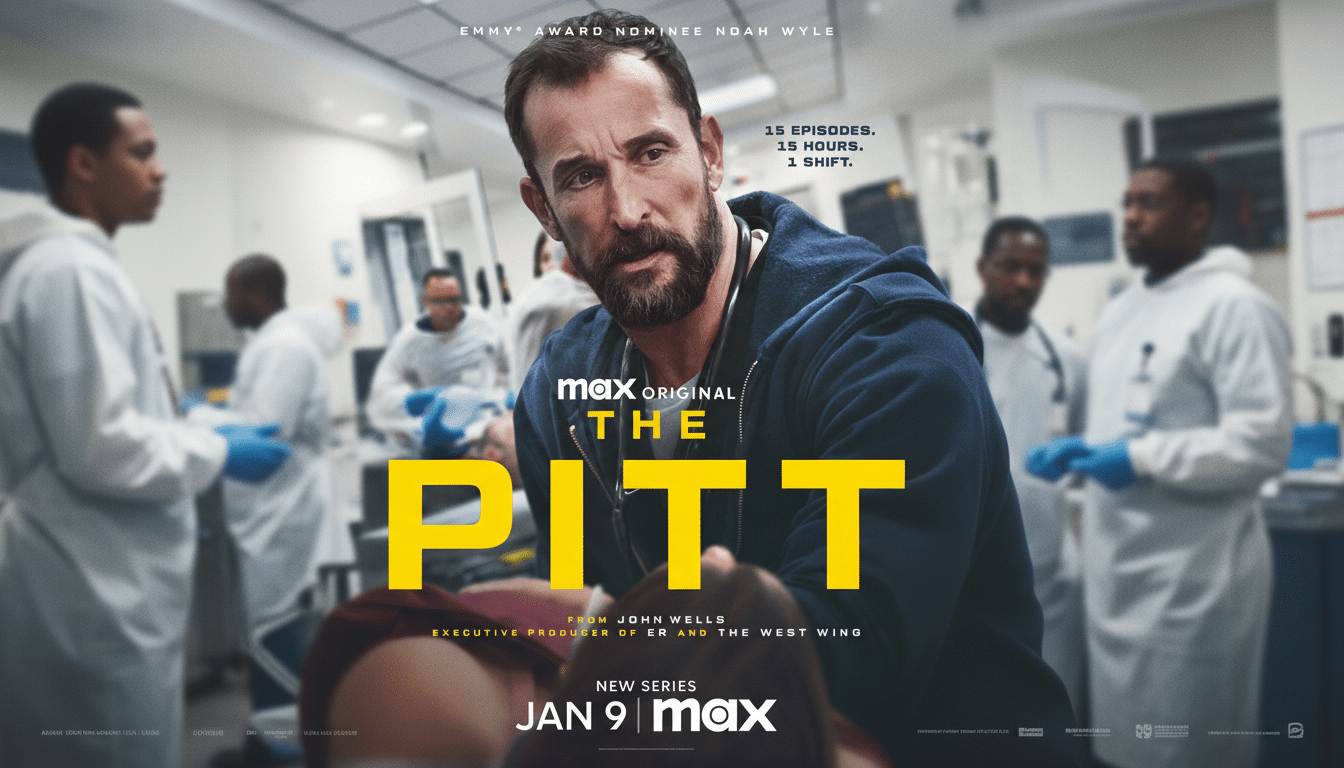
That contradiction is impossible to miss. Season 2’s opening sequence already showed Robby barreling across a Pittsburgh bridge bareheaded, his helmet strapped to his backpack. The series practically underlined the dissonance; episode 3 turns it into text.
Why this lie matters for trust, safety, and accountability
On paper, it’s a minor fib. In practice, it spotlights a physician who can read a room of trauma but refuses to read himself. Robby has flirted with risk before—the rooftop edge in Season 1 wasn’t subtle—and the show has threaded that behavior into his ongoing mental health journey. Pair that with his planned solo ride to the UNESCO site Head-Smashed-In Buffalo Jump and you get a pattern: romanticizing danger, then rationalizing it away.
There’s also the trust economy of an ER. Teams function on transparency because errors cost lives. A lie about safety from an attending—even a personal one—chips at the culture of candor. It’s the kind of character beat that can ripple into how residents absorb norms and how peers interpret future decisions under pressure.
Real-world stakes and statistics behind motorcycle helmets
The show’s choice lands with extra weight because the data is brutal. The National Highway Traffic Safety Administration reports that helmets reduce the risk of death for motorcyclists by roughly 37% and cut the risk of head injury by about 69%. The Insurance Institute for Highway Safety has repeatedly found that universal helmet laws push compliance near 100% and bring down fatalities. Pennsylvania’s partial helmet law lets many adults ride bareheaded, but physiology doesn’t care about statutes—impact energy does what it does.
Public-health research also notes that helmets save billions in medical and productivity costs every year. Emergency departments see predictable holiday surges in trauma, and motorcycle crashes remain among the most severe presentations. In that context, an ER doctor dismissing a helmet in real life would be an outlier—and a cautionary tale.
What the creators are signaling with Robby’s helmet lie
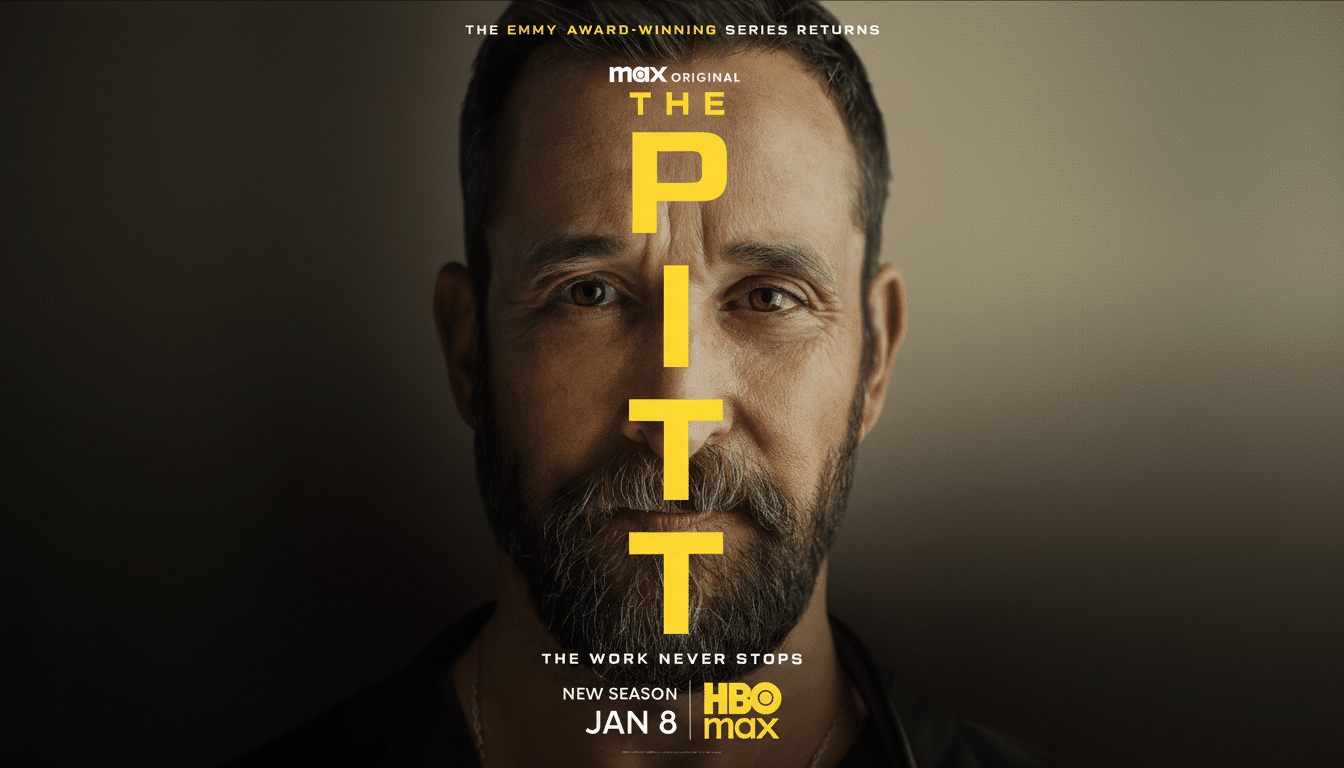
This wasn’t a continuity mistake; it was a deliberate tell. Speaking with the Associated Press, Wyle has indicated the helmet-on-the-backpack image was intentional—a way to let the audience in on a truth his co-workers don’t see. On Jimmy Kimmel Live, he described pitching the idea himself, framing it as a character reveal: if Robby can lie so easily about something so obvious, what else is he keeping compartmentalized?
The choice recalls a classic storytelling gambit—an early contradiction that destabilizes our read on a protagonist. It invites viewers to watch his decisions with heightened scrutiny, especially as season-long stressors mount and as his sabbatical looms.
Character fallout and the season’s likely trajectory
Inside the hospital, expect consequences that are more psychological than punitive. Colleagues like Dr. Garcia won’t connect the dots immediately, but the audience already has. If a near-mirror crash arrives in Robby’s ER and he still can’t acknowledge his own risk-taking, the path forward likely involves a reckoning—whether prompted by new attending dynamics with Langdon, a resident’s misstep that forces self-reflection, or an incident on the road that collapses the distance between bravado and harm.
Outside the plot, the series has been renewed, making an outright disappearance unlikely. But renewal doesn’t guarantee safety; long-running medical dramas routinely test beloved leads. The smarter bet is that The Pitt uses this lie as a hinge, turning Robby’s arc from charmingly self-destructive to decisively accountable—or perilously not.
Bottom line: a small lie with big implications for trust
Episode 3 doesn’t just confirm that Dr. Robby rides without a helmet. It confirms he’ll deny it to a police officer and to the people who need his honesty most. In a show obsessed with what we admit in the worst moments, that’s not a throwaway detail. It’s the prognosis.