


It certainly has been a noisy year for smart glasses, but the most exciting product I’ve tested neither hangs over your eyes nor gets draped down their supporting stems. It’s a phone that transforms into an open canvas — the Galaxy Z Fold 7 — and it finally represents the harmonious intersection of portability, power and flexibility that foldable technology has been trying to sell for years. This isn’t a novelty. It’s a product that meaningfully changes how you work and play without the compromises that made other convertible computers so hard to bear.
Why this foldable suddenly clicks in everyday use
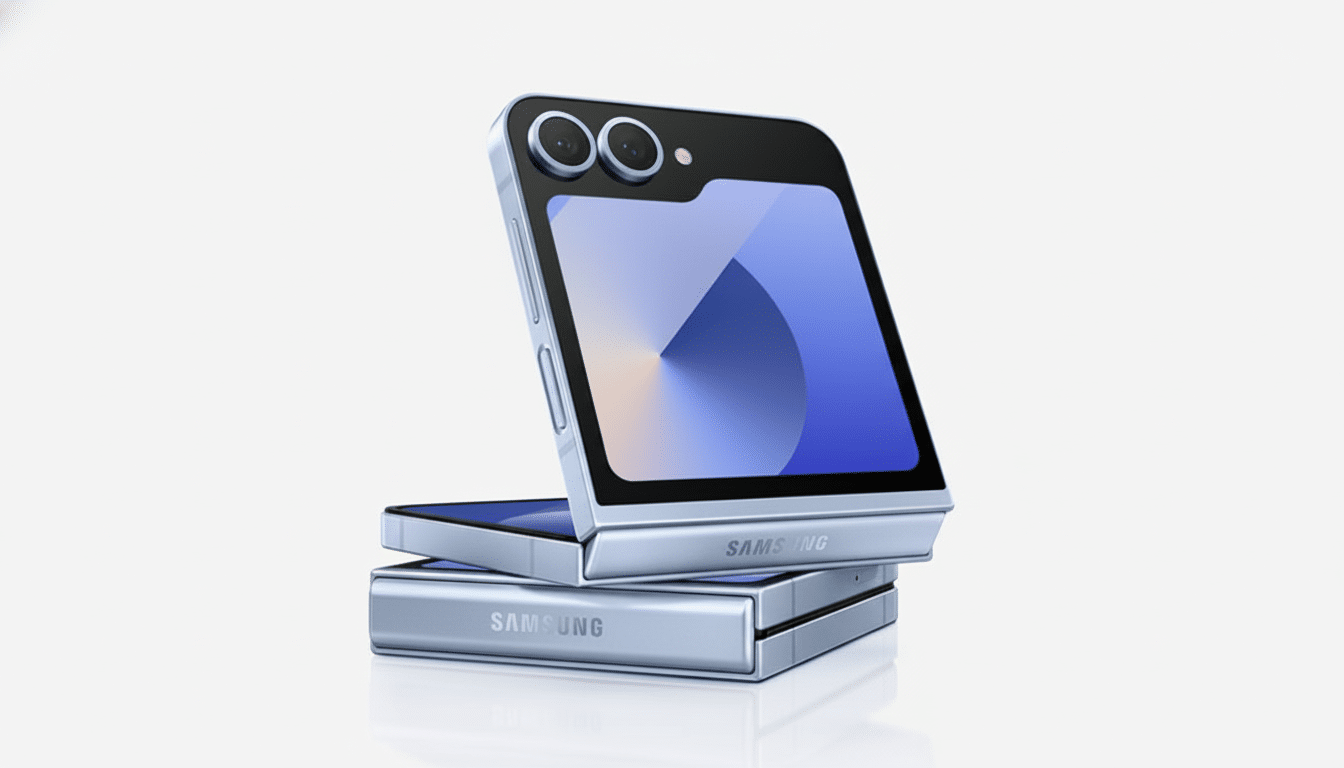
The first win is how unremarkable it feels when you’re holding it all closed. The Fold 7 feels like a typical flagship in action thanks to the size of the cover display: space that’s just right for modularity, easy thumb typing, and an easy pocket fit. It’s got a tighter hinge, the balance is superior, and very few such slab flagships I use daily cut it in terms of weight. Next to premium phones, it doesn’t look like a “foldable” until you unfold it.

Open that up, and the inside screen is a whole other thing. It’s bright enough to withstand outdoor use, the crease isn’t as noticeable as in past generations, and the touch response is sharp. It’s not just a cosmetic upgrade: greater panel durability and a tougher protective layer make it feel like you can use the thing as you would any other phone, rather than treating it with kid gloves.
Software that fulfills the hardware’s promise
Great hardware is all but useless if the software exploiting it isn’t up to snuff. And that’s where the Fold 7 wins. On Android’s latest big-screen features and Samsung’s One UI fine-tunings, multitasking feels methodical rather than make-do. The major addition is a fresh 90:10 split view: view two apps side by side, and then drag the divider so that one of them takes up most of the screen while the other is relegated to a narrow strip. Tap the strip to instantly switch focus. It’s an easy idea that makes multitasking feel seamless, not fussy.
Another quiet killer feature is app continuity on the cover screen. Close the phone mid-task and continue on the outer display with just a quick swipe — no hunting for what you were about to do, no relaunching. That persistent taskbar, better drag-and-drop, plus smarter windowing all round out a toolkit that respects your time. Google’s large-screen push is finally paying off, and Samsung’s iteration of them is the best I’ve used.
Real productivity benefits in the field today
This isn’t theoretical. I jotted down notes on a commuter train with one document set at 90% and an app for chat sitting at 10% for fast responses. On a walking 1:1, I popped open the inner display to look over a spreadsheet that would have driven me mad on a regular phone. In a coffee shop, Flex Mode made my Fold 7 into something like a mini laptop: my video on top, controls or apps below, no stand needed.
If you plug it into a monitor, you’ll get a desktop-style interface that now accommodates actual windowed apps. Pair a Bluetooth keyboard and mouse, and you’ve got a fairly convincing workstation for email, docs and web apps. It’s not going to replace a high-powered laptop; however, in the right situation it can get more work done than a tablet, and it will be more capable than most Chromebooks — all while using phone apps and files.
The market context: why it matters for foldables
Foldables are not just a rounding error now. The category is “through the early adopter phase” with shipments and panel output growing on a double-digit percentage basis, according to analysts at Counterpoint Research and Display Supply Chain Consultants. Enterprise interest is also growing, they said, as IT teams realize the value of a single device that can function as a phone, tablet and desktop client. Microsoft, Google and Adobe have all updated how their large-screen apps work to eliminate more of the “phone app on a big canvas” behavior that made some previous foldables feel harder to use.
There’s also a sustainability angle here. If a single gadget credibly consolidates what formerly meant carrying (and charging! and upgrading!) a phone and some kind of near-tablet-size device — and every now and again, even something akin to a lightweight laptop — then you’re buying, charging, replacing fewer gadgets. That’s not just easy, but realistic for people and teams whose lives move at the speed of light (or who are just trying to be efficient).
Not smart glasses — that’s the point with Fold 7
Smart glasses are compelling, and voice-forward assistants are improving. But screens you can’t really see, short battery life and privacy implications make them a sidecar, not a driver. The Fold 7, on the other hand, is prepared for actual work and leisure time right now. It’s great at boring-but-vital stuff like reading dense docs, juggling apps and sharing a screen during a meeting — but it remains an excellent everyday phone when closed.
It is that balance that allows this device to stand out. It doesn’t require you to change the way you live or work; it works for you. For the first time, I finally have a foldable device that is not something beautiful to gawk at and then set aside. It’s the implement I’d reach for when the job is too important.