


In India, a growing number of people are becoming obese for a variety of reasons, including changing lifestyles, reduced physical activity, unhealthy eating habits, stress, and hormonal imbalances that affect metabolism, resulting in the slow accumulation of fat in the body.
Key Takeaways:
• Modern lifestyle patterns slow metabolism and increase fat storage.
• Hormonal imbalance makes weight gain easier and weight loss harder.
• Early obesity symptoms and side effects appear before major illness.
• Belly fat increases long-term health risks significantly.
• Small daily habits influence weight more than extreme changes.
• Long-term weight gain develops gradually over the years.
• Medical treatment supports weight management in certain cases.
- Key Takeaways:
- Why is weight gain becoming more common in modern India?
- How does the body store excess fat over time?
- What role do hormones play in weight gain?
- Why does fat around the abdomen cause greater concern?
- What are the early signs that weight gain is affecting health?
- Why does weight gain often go unnoticed for years?
- How do lifestyle habits influence long-term weight patterns?
- Why is obesity becoming a national health concern?
- Final thoughts
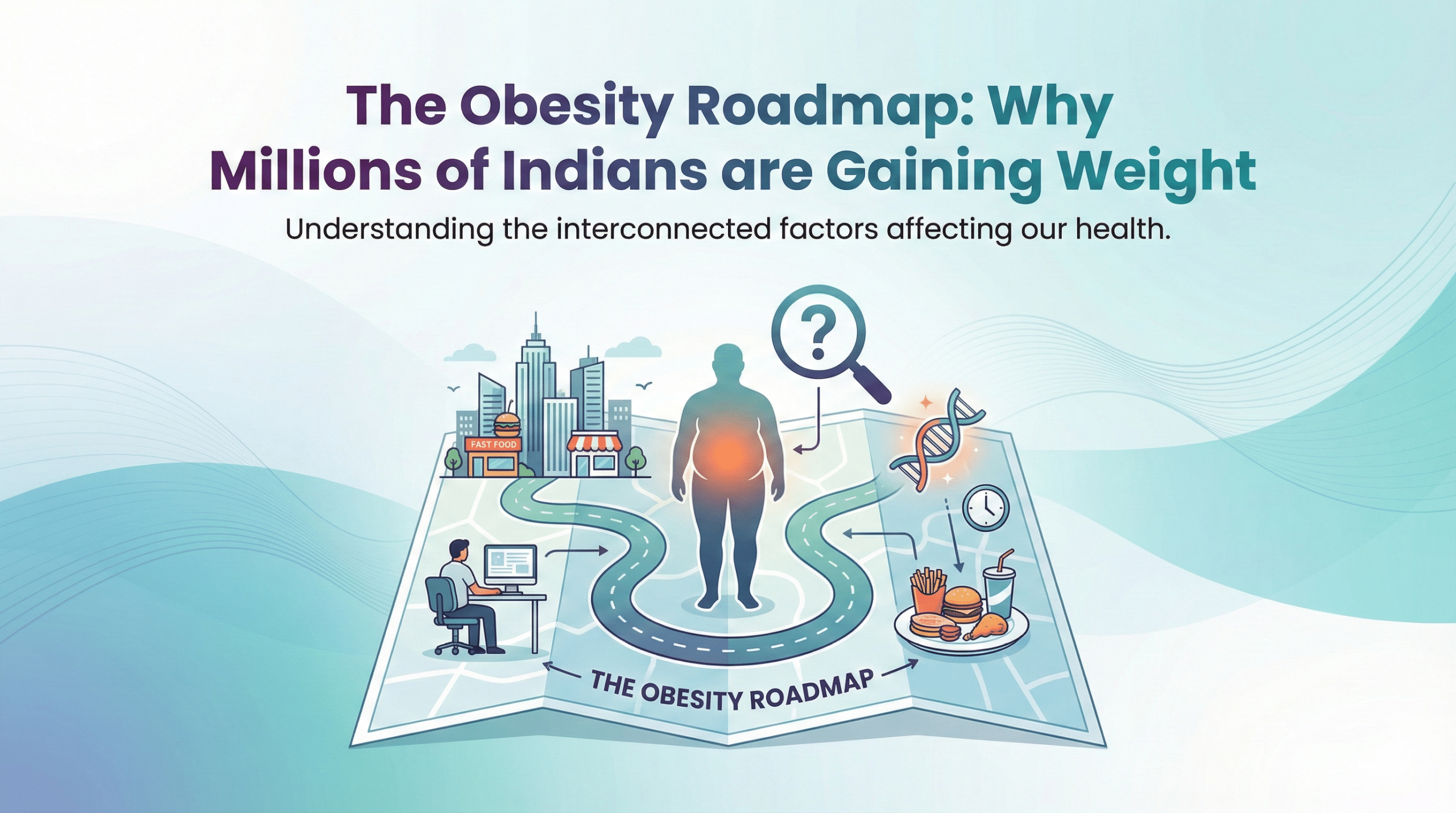
The increase in obesity is attributed to urbanisation, sedentary employment, increased consumption of processed foods, and high stress levels within society. Understanding what causes obesity can help identify early warning signs and take action to safeguard long-term health.
Why is weight gain becoming more common in modern India?
In recent years, many people have become less physically active than before. They spend much of their day sitting at desks, travelling in cars, or using computers and smartphones, which leaves very little time for physical activity.
In addition to this change in activity level, there has been a dramatic shift away from cooking fresh meals at home to consuming processed foods. Processed foods contain higher amounts of sugar, unhealthy fats, and refined grains.
When people consume more calories than they burn, their bodies store the extra energy as body fat. Over time, if they continue to consume more calories than they use through physical activity, they gradually gain weight due to this ongoing imbalance.
How does the body store excess fat over time?
The body stores extra energy so it can use it later when needed. When a person regularly eats more calories than the body uses, the extra energy gets stored as fat. As fat cells become larger, they start to affect how the body normally controls weight and metabolism.
Fat tissue produces chemical messengers that disrupt insulin activity, which allows more sugar to sit in your blood longer and increases your chances of developing metabolic disorders.
The longer this happens, the harder it becomes for your body to regulate weight, making it easier to gain weight and harder to lose it again.
What role do hormones play in weight gain?
Hormones regulate appetite, metabolism, and fat storage. When hormone balance is disrupted, the body’s ability to maintain a healthy weight is affected.
Stress also increases cortisol levels. Elevated cortisol encourages fat storage, particularly around the abdomen. This type of fat is associated with greater health risks.
Doctors sometimes prescribe medical treatments such as Wegovy 0.25mg FlexTouch, which contains Semaglutide, to support weight management. This medication helps regulate appetite and improves the body’s metabolic control. It works alongside healthy lifestyle changes, such as balanced eating and regular physical activity, rather than replacing them.
Why does fat around the abdomen cause greater concern?
Fat stored around the abdomen behaves differently from fat stored elsewhere. It surrounds important organs such as the liver and pancreas, affecting their function.
This type of fat produces inflammatory substances that disrupt normal metabolism. It also increases insulin resistance and raises cholesterol levels.
These changes increase the risk of long-term health conditions. Abdominal fat is strongly associated with diabetes, heart disease, and other metabolic disorders.
What are the early signs that weight gain is affecting health?
Weight gain on its own doesn’t cause visible illness right away; however, there are early, subtle changes that may occur in the body, indicating excessive stress on the body.
obesity symptoms and side effects include:
- Persistent fatigue.
- Increased hunger.
- Decreased energy levels.
- Difficulty doing activities.
- Slow increase in waist size.
Many of these symptoms will occur before serious medical illnesses develop. Being aware of all these changes will help you understand how your body reacts to excess fat accumulation.
Why does weight gain often go unnoticed for years?
Weight gain typically occurs gradually. Minor weight gains over time can often go unnoticed or not seem like a big deal.
Both the body and the person have had time to make the necessary adjustments without any perceptible change in their routine. While you may have noticed tight-fitting clothes or becoming a little more easily fatigued during physical activity, it is sometimes easy to overlook the changes.
Due to this lack of visible signs, many may experience continued gain without being aware of it, only to have health-related concerns arise after being overweight for a long period of time. By then, weight gain has likely already negatively affected several body systems.
How do lifestyle habits influence long-term weight patterns?
Daily routine habits significantly influence how we manage our body weight. As the body establishes a daily routine, it develops predictable responses over time.
When we exercise regularly, we increase our body’s ability to utilise glucose as a source of energy, thus decreasing the amount of stored fat. Eating a balanced diet that supplies the body with adequate nutrition will promote optimal appetite control.
The body will use sleep time to reset its hormone levels and to support a healthy metabolism. Managing stress will help keep cortisol levels down and thus reduce the likelihood of excess fat storage.
With consistent maintenance of these positive lifestyle habits, our bodies will develop increased effectiveness in naturally regulating body weight.
Why is obesity becoming a national health concern?
Obesity has become more prevalent in today’s world due to many factors that are all related to the modern world we live in: increased urbanisation, the new way of working, and easier access to more variety and more types of foods.
The urban lifestyle and longer work schedules have decreased levels of physical activity, which has had an effect on how we live our lives every day, in terms of how we eat and exercise.
Overweight and obese individuals are at a greater risk of developing metabolic and cardiovascular problems, which ultimately will affect their overall health and longevity.
The increased prevalence of overweight/obese individuals in our society shows the need for understanding all aspects of obesity, especially the underlying reasons for why so many people are overweight.
Final thoughts
The gradual build-up of weight is a result of your body reacting to all of the lifestyle, hormonal and metabolic changes that occur over time without any blockage. If left unblocked, additional fat begins to interfere with normal body function. By understanding how and why obesity develops, you can recognise the long-term effects it can have and appreciate the early changes that occur within your body.