


In the frenetic scramble to bring a product to market, manufacturing is often viewed as the final gate—a box to be checked, a set of tasks to be managed and compressed. We choose machine shops for their speed, their price, their turnaround time on a first article. These are the Sprint metrics. However, innovation is not a race but is a marathon. Those companies that really leap forward are not those that seek out the quickest vendor to use in the initial prototype. It is they who find a mate to the whole race. The right CNC machining services provider is no longer a supplier, but a co-pilot and they share the burden not only in the initial build, but in the whole treacherous yet rewarding journey to concept and market.
The Shared Language of Scars
Every project has its scars—the small failures, the near-misses, the problems that cost sleep and weekends. In a transactional relationship, these scars are hidden. You solve the problem yourself, or you absorb the cost, and you send the revised drawing to the vendor as if nothing happened. There is no shared history, only a series of isolated transactions. A true co-pilot relationship is built on the shared language of these very scars.
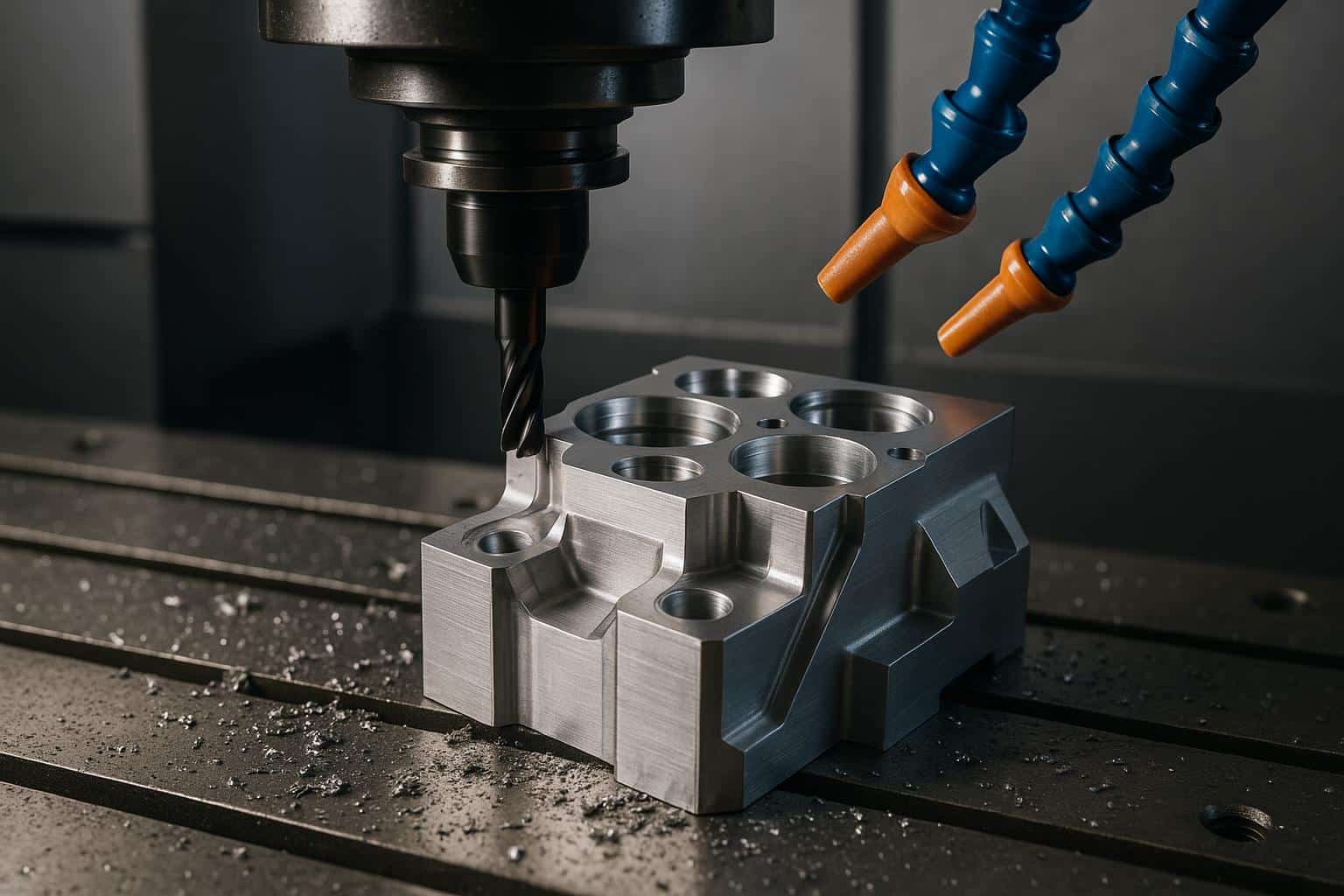
I learned this during the development of a ruggedized electronics enclosure. Our first batch from a new shop had a subtle but critical issue: at a specific temperature, the lid would bind. The vendor, excellent at making the part as drawn, was at a loss. It was “within spec.” We found a true partner after that failure. When we described the binding issue, the engineer on the other end of the phone didn’t just take new drawings. He asked to see the failed parts. He asked about the testing cycle. He called it “thermal walking” and explained how different coefficients of expansion between the aluminum base and the stainless fasteners were the culprit—a problem that wasn’t on any single part’s drawing, but in their interaction. He didn’t just fix the part; he understood the system. That shared scar—the late nights, the failed test—became a foundational piece of our shared language. Now, when we talk about new enclosures, he asks about thermal cycling before we do. He’s not just making a part; he’s protecting us from a history we endured together.
The Institutional Memory You Can’t Buy
As a product matures, the most valuable asset a manufacturing partner provides isn’t a machine, but a memory. They become the living, breathing institutional memory for your product’s physical evolution. They remember that this particular feature on Revision D was changed because of a vibration issue in Revision B. They know that you prefer a specific edge break on cosmetic surfaces because of customer feedback on the first production run. They recall which batch of titanium gave you trouble and have tracked which mill’s material runs more consistently.
This memory is a force multiplier. It means you don’t start every new iteration at zero. When you call and say, “We need to tweak the mounting bracket for the Mark III,” they already have the context of the Mark I and Mark II. This isn’t data in a CRM; it’s lived experience in the minds of the people who made the parts. It eliminates the exhausting, error-prone process of re-educating a new vendor with every change order. Your partner becomes a repository of your own history, saving you from repeating it.
The Anticipation of the Next Turn
The final, and perhaps most profound, sign of a co-pilot is anticipation. A vendor waits for your instructions. A co-pilot thinks one turn ahead on the track. This isn’t mystical; it’s the result of deep, embedded familiarity with your goals. As we scaled production of a component, our partner didn’t just wait for us to ask about cost-down opportunities. They presented a detailed analysis: “Based on your annual volume forecast, if we switch to this alternative stock size, we can reduce material waste by 18% with no design change. The tooling for a stamped version of this clip would pay for itself in 14 months at your projected rate.” They weren’t just filling our order; they were actively mapping the economic terrain of our future.
This visionary alliance makes your relationship with manufacturing not just a cost center, but a strategy council. You start engaging them earlier into the design process not only on the basis of manufacturability, but also on the basis of scalability, serviceability and resilience of the supply chain. By being a dependable voice at the table, they are not the customer, but they have already demonstrated their commitment to long-term success of the product itself.