


A serious truck accident rarely begins at the moment of impact. What most people see as a single crash is often the final result of many decisions, missed steps, and system failures that happened long before the truck ever reached the road. This is why truck accident claims are rarely simple. They unfold like a chain reaction, where one problem triggers another, and responsibility spreads far beyond the driver behind the wheel.
Many people only discover this after speaking with a lawyer for truck accident cases, once they realise that uncovering fault means looking at the entire operation behind the truck, not just the crash itself.
- Truck Accidents Are Usually the End of a Longer Story
- Pressure Behind the Wheel Is Often Not a Personal Choice
- Problems That Start Before the Truck Moves
- Why Liability Grows After a Serious Truck Accident
- Insurance and Compliance Add Another Layer
- Why This Matters for Injured People on Long Island
- Seeing the Whole Picture Changes the Outcome
- Final Thoughts
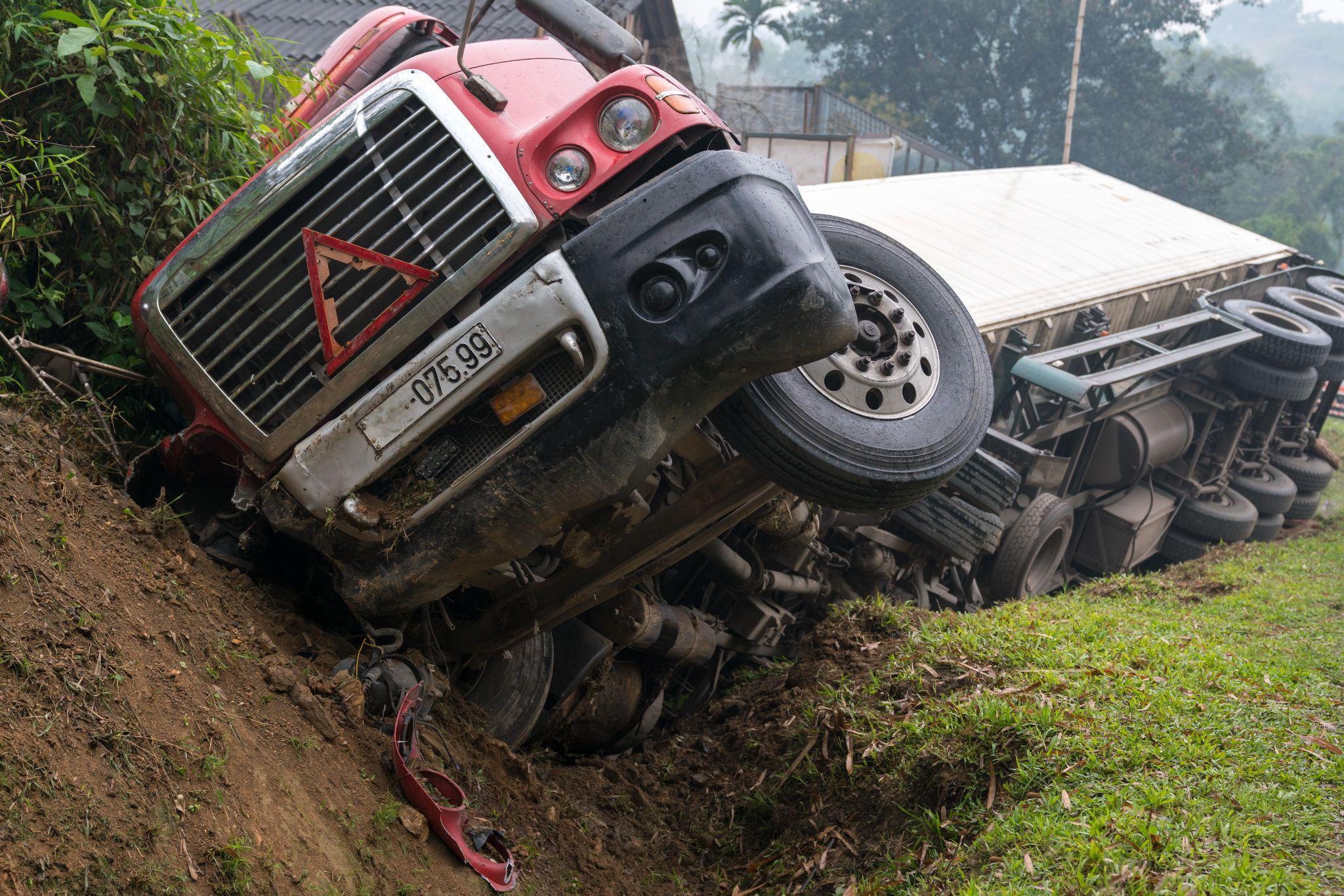
Truck Accidents Are Usually the End of a Longer Story
Unlike car accidents, truck crashes often involve commercial systems built around speed, efficiency, and volume. A single delay or oversight in that system can have serious consequences. Tight delivery schedules, long routes, and pressure to meet deadlines can quietly stack risk over time.
By the time an accident happens, the real causes may already be layered. Fatigue, poor oversight, or skipped safety steps may all play a role. Understanding this broader picture is essential when evaluating what went wrong and who may be responsible.
Pressure Behind the Wheel Is Often Not a Personal Choice
Deadlines, Fatigue, and Expectations
Truck drivers often operate under strict schedules. Long hours on the road, limited rest, and constant time pressure can affect judgment and reaction speed. While drivers are expected to operate safely, the pressure they face often comes from company policies and expectations.
When fatigue contributes to a crash, the question is not just whether the driver made a mistake. It also becomes whether the system they worked within allowed that risk to grow unchecked.
Problems That Start Before the Truck Moves
Maintenance and Inspection Gaps
A truck’s condition matters just as much as the person driving it. Brake failures, worn tires, lighting problems, or steering issues can turn minor hazards into major accidents. These problems often trace back to missed inspections, rushed repairs, or cost-cutting decisions.
Maintenance records, inspection schedules, and repair histories often become key pieces of evidence in serious truck accident claims.
Loading and Cargo Issues
Cargo plays a larger role than many people realise. Improper loading, uneven weight distribution, or unsecured freight can cause trucks to tip, jackknife, or lose control during sudden stops.
In these cases, responsibility may extend beyond the trucking company to third parties involved in loading or logistics. Each link in the chain matters.
Why Liability Grows After a Serious Truck Accident
One of the most misunderstood aspects of truck accidents is how many parties may be involved. Investigations often uncover multiple layers of responsibility, including:
- The truck driver
- The trucking company
- Maintenance contractors
- Cargo loaders or warehouse operators
- Vehicle or parts manufacturers
Each party may have played a role in allowing unsafe conditions to exist. This is why truck accident claims often take longer and require deeper investigation than typical vehicle collisions.
Insurance and Compliance Add Another Layer
Commercial trucking operates under different insurance structures and safety expectations than personal vehicles. Insurance coverage may involve multiple policies, each with its own limits and conditions. At the same time, safety rules govern everything from driver hours to vehicle maintenance.
Violations of these rules can strengthen a claim, but identifying them requires careful review. This is another point where guidance from a lawyer for truck accident cases becomes important, especially when insurers attempt to narrow the focus to the driver alone.
Why This Matters for Injured People on Long Island
Long Island sees heavy commercial traffic moving through highways, industrial areas, and densely populated zones. Trucks often share roads with commuters, pedestrians, and local traffic. When something goes wrong, the consequences are often severe.
Understanding the full chain reaction behind a truck accident helps ensure that claims reflect the real scope of what happened. Missing even one link can mean missing accountability, which can directly affect compensation for medical care, lost income, and long-term recovery.
Seeing the Whole Picture Changes the Outcome
Truck accidents are not isolated events. They are often the final moment in a series of preventable failures. Looking only at the crash itself tells only part of the story. The real answers usually lie in the systems, decisions, and oversights that built up over time.
For injured individuals, understanding this chain reaction is not about placing blame for its own sake. It is about clarity. When the full picture is examined, responsibility becomes clearer, and claims become stronger.
Final Thoughts
Serious truck accidents rarely have a single cause or a single responsible party. They are the result of interconnected decisions that form a legal chain reaction. From scheduling and maintenance to loading and oversight, each link matters.
Recognising this complexity helps people understand why truck accident claims require careful handling and why surface-level explanations often fall short. In cases like these, seeing the whole chain is often the key to reaching a fair outcome.