


This year, I’m telling most people to get the plain iPhone 17: not the Pro Max and not even the Pro. Apple created meaningful differences between tiers, and the plain iPhone 17 model is now the best balance of display quality, battery life, camera flexibility, storage capacity, and price. At $799, you get the upgrades people used to have to pay for beyond Pro badges, without the bulk or the fatter tax.
Why the standard model works just right for most people
The iPhone 17 hits a Goldilocks zone: large enough to consume content, small enough to wield one-handed. It’s also slightly larger, thanks to smaller borders and a 6.3-inch screen that feels bigger without reaching into two-hand territory. That matters more than spec sheets indicate. Comfort and reach define how a phone feels after month six (and not just week one).
- Why the standard model works just right for most people
- A display upgrade you’ll see every hour
- Smarter cameras where it counts every day
- Battery life and performance, without the premium tax
- The best storage for the price at the far right
- Who the Pro or Air is still for and when it fits
- Bottom line: why the standard iPhone 17 is the best buy
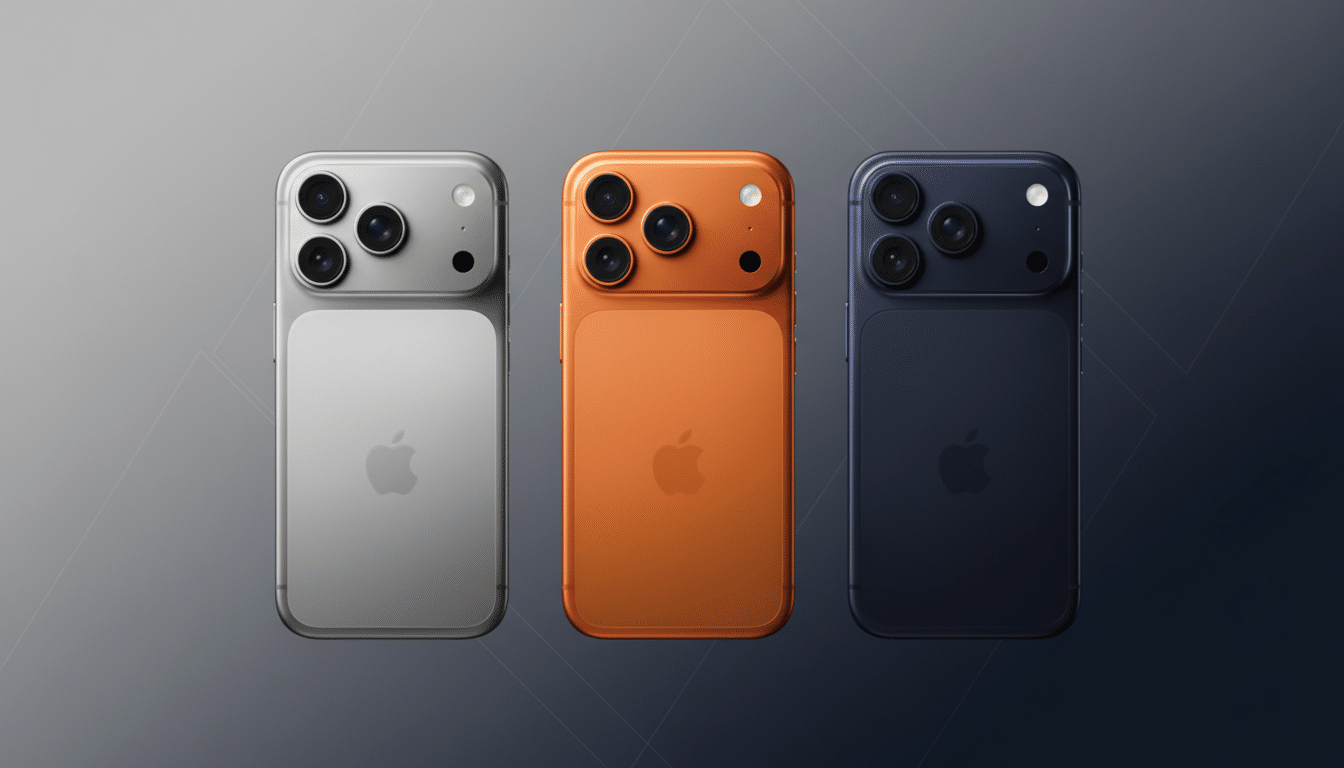
A display upgrade you’ll see every hour
Apple took ProMotion, which used to be just for the Pro line, all the way down to entry-level. If you’ve lived at 60Hz, the difference is dramatic: scrolling appears liquid smooth, text redraw is crisper, and animations feel swifter. Independent labs such as DisplayMate has for years shown that with a higher refresh rate, perceived blur is reduced and the likelihood of eye fatigue in motion-heavy use also falls.
Brightness also jumps to a claimed 3,000 nits peak outdoors. Translation: maps, messages, and camera previews are still very legible at high noon. That sort of headroom is more important than chasing theoretical maximums you rarely reach. The new and improved Ceramic Shield 2 claims three times better scratch resistance, so that means fewer micro-abrasions over an average period of ownership.
Smarter cameras where it counts every day
And the Center Stage–using front camera jumps to 18MP, with a wider field of view. The smart bit is orientation-aware shooting, where if you hold the phone vertically, it can automatically snap a horizontal frame when it realizes you’re photographing a group — or you can switch things manually. It’s a tiny little difference that amounts to nothing until it rescues you from second takes while shooting at a packed table.
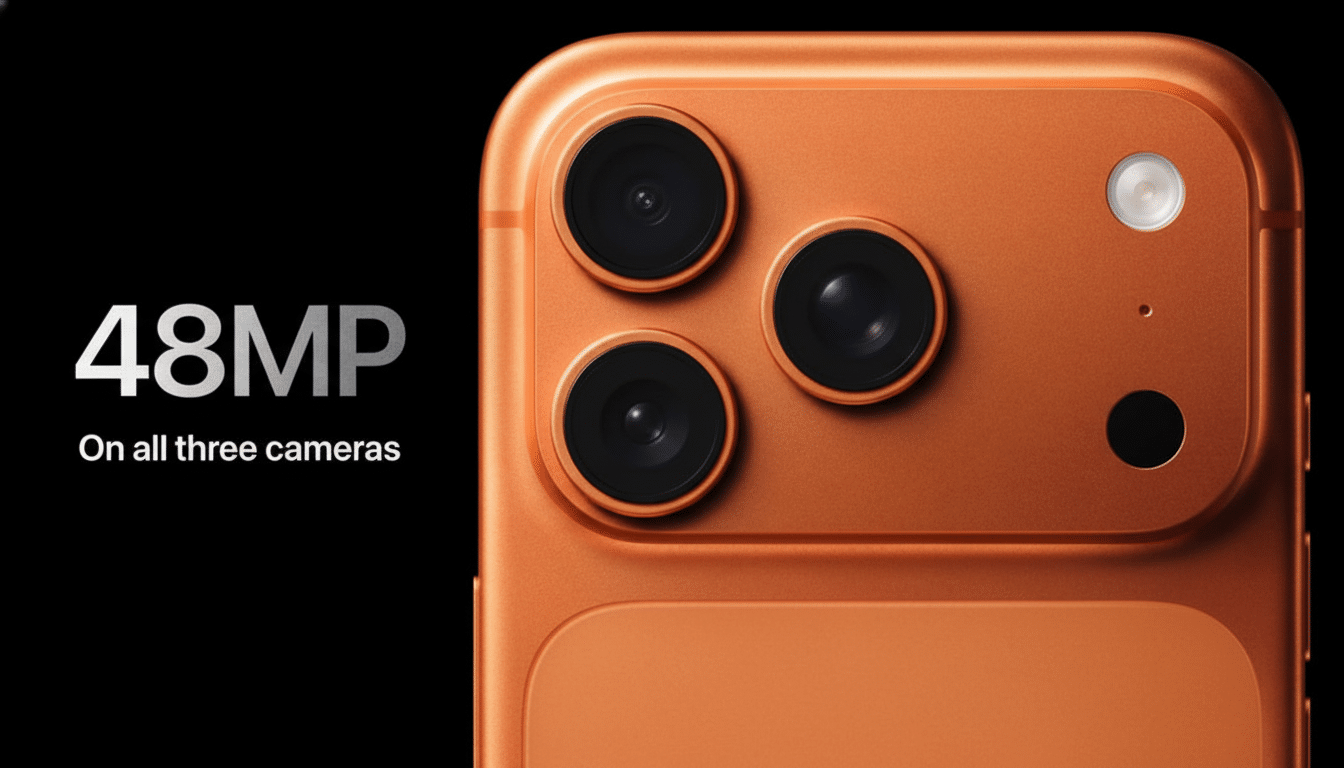
On the rear, you’ll find a 48MP Fusion main sensor and 48MP ultra-wide replacing last year’s lower-res setup. Long zooms are almost even more niche than ultra-wides, they’re expensive, and we imagine most people shoot way more often with the main (and ultra-wide) lenses; analyses by experts in imaging like DxOMark constantly demonstrate that color accuracy, HDR, and autofocus consistency have a greater impact on one’s perceived satisfaction — more so than long-zoom shots. The iPhone 17 leverages those very everyday strengths.
Battery life and performance, without the premium tax
The iPhone 17 has the A19 chip, which allows it to blaze through social apps, 4K video capture, and gaming without breaking a sweat or getting throttled like many of those thin-and-fast phones do. Apple says it is rated for up to 30 hours of video playback, a handy stand-in for endurance. But Consumer Reports’ testing history has highlighted that screen efficacy and SoC power management are the most significant influences on real-world battery life — both things Apple tends to excel at, and which shine through here.
The best storage for the price at the far right
Base storage is 256GB all around, and the entry-level iPhone 17 holds its ground at $799. Given that 48MP photos and 4K/60 video already gobble space at a mighty clip, this is the rare upgrade that quietly changes daily behavior: You stop micromanaging your camera roll. Counterpoint Research has reported a trend toward pricier, high-capacity models in the premium segment, and CIRP data indicates iPhone owners are sticking with their devices for three years or longer. Your phone will age far more gracefully with a higher floor on storage.
Who the Pro or Air is still for and when it fits
Live on long zoom for wildlife or sports, shooting in Log, or pushing extended 3D gaming sessions? The 17 Pro’s telephoto, advanced thermal design, and Pro features will pay off. The Pro Max is there for those who truly just want the biggest canvas and battery. The aim of the iPhone Air is thinness and a lighter hand feel — good for minimalists — but physics tends to restrict thermal and battery headroom where thicker brothers and sisters are concerned.
For everyone else — the occasional photographer, the daily commuter, the student, the parent — what used to require a step-up in budget is now just part of the package with the standard iPhone 17: high-refresh display, high-brightness panel, modern cameras, legit battery life, and storage for days.
Bottom line: why the standard iPhone 17 is the best buy
The iPhone 17 takes the top spot by accomplishing a well-rounded set of basics that bring about most people’s everyday use: a fantastic screen with an adaptive 120Hz refresh rate and effective outdoor visibility, smarter cameras for shots you actually take, all-day battery life, next-level performance, and twice the storage (256GB being the bottom tier) — all while costing far less than the most expensive Pro phones.
This is the iPhone most people should buy, unless you have good reasons to go Pro Max.