


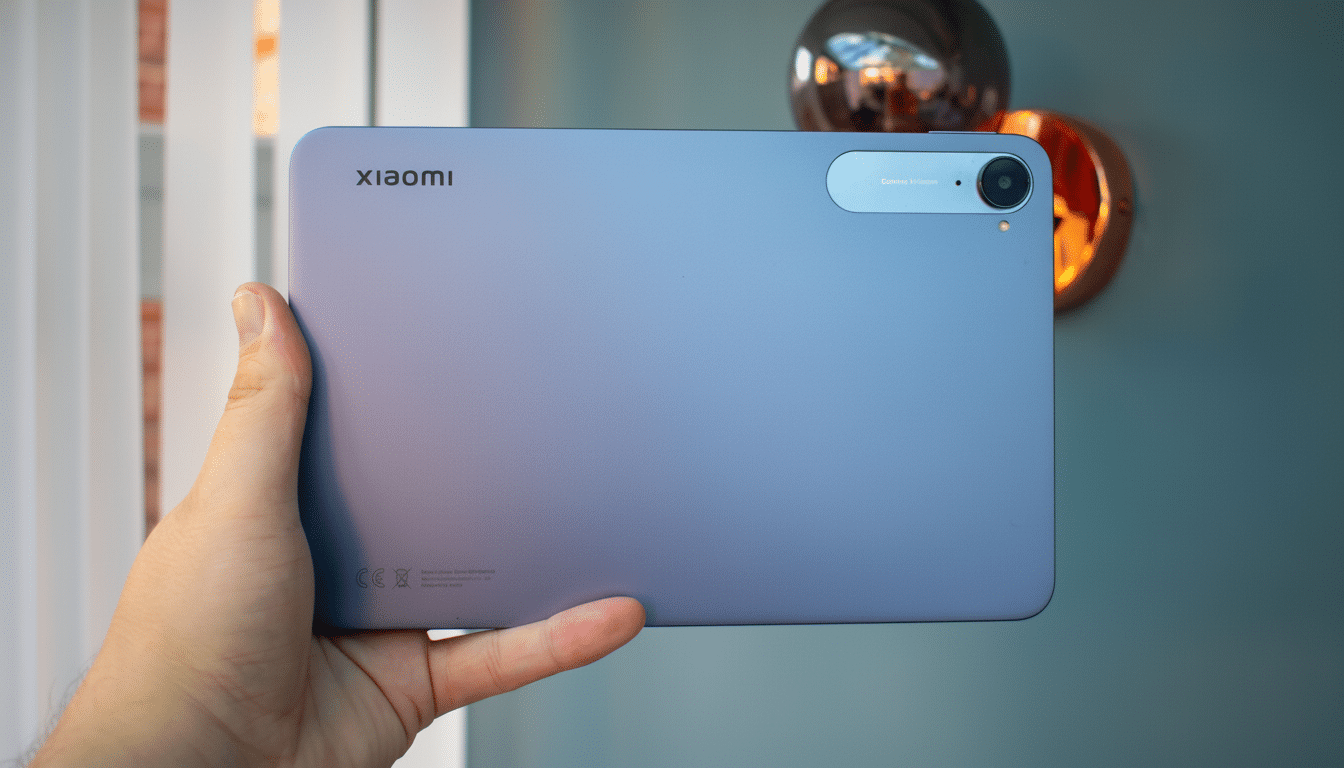
I’ve written for years that bigger tablets are better: more screen, more immersion, simply more. So I spent some time with a small slate that competes to some extent with the iPad Mini — Xiaomi’s Pad Mini — and my brain got rewired. All of a sudden, the “small tablet” lane makes even more sense than a spec sheet could provide.
Why the small tablet is suddenly cool again
Laptops remain king for deep work, and big tablets are great TV replacements to throw on a coffee table. But tiny tablets bridge the gap that neither one of those really addresses: the personal, portable screen that goes anywhere. In the hand, on a plane tray, leaned against a cereal box or clipped to an exercise machine — a tile of glass reduces the grinding hum between “I should do that” and “I just did.”
Analyst firms including IDC and Canalys have observed that as average tablet sizes increase, education, healthcare, logistics, and field services still prefer small devices that are easier to transport and use one-handed. That level of utility carries over to people: reading, quick notes, recipes, maps, and casual gaming just feel more comfortable at this size.
Design and display: pocketable yet cinematic
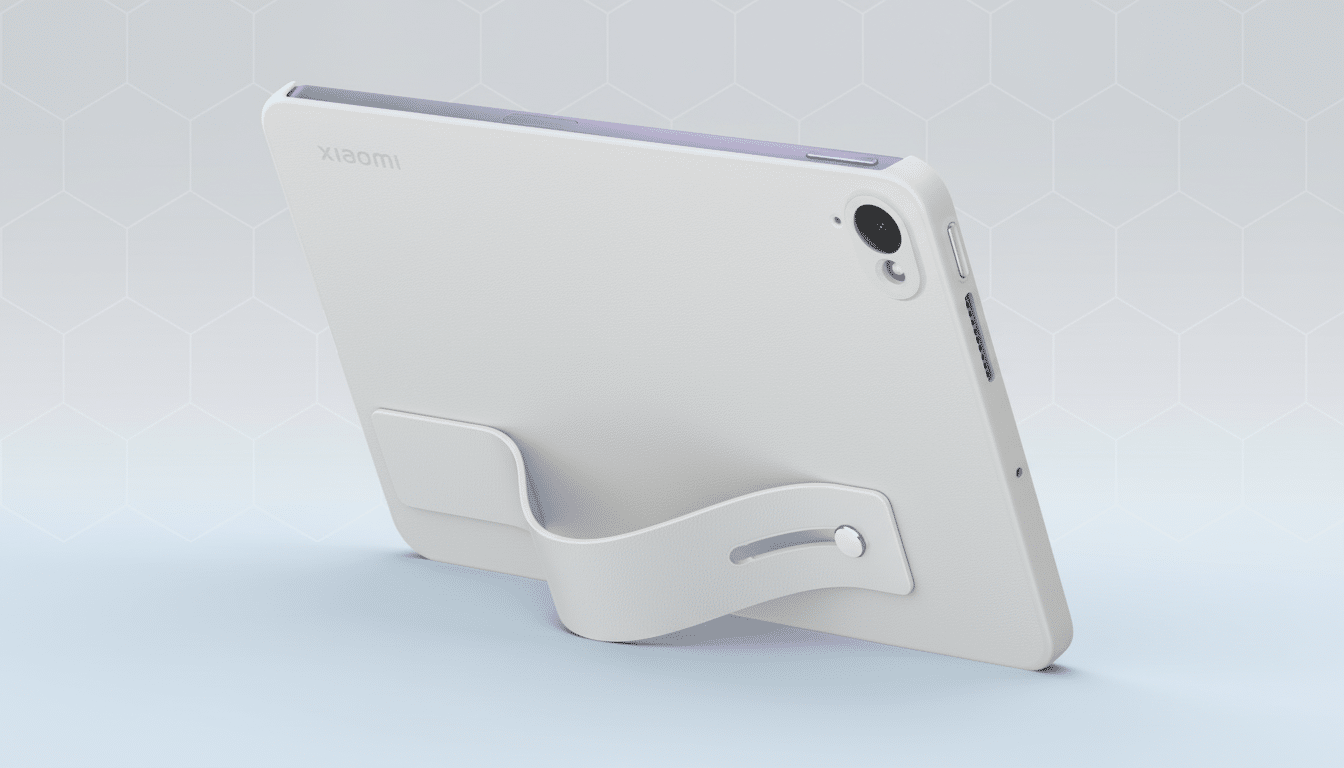
The Pad Mini gets the footprint just right. The device weighs approximately 326 g, heftier than a phone but ultralight by the standards of most 10–13-inch tablets. You can cradle it for a full hour without wrist strain, and the available case’s hand strap doubles as a sturdy support stand — an enlightened, real-world solution that far outweighs another tenth of a millimeter shaved off its frame.
Its 8.8-inch, 16:10 LCD is calibrated for the content we actually watch. From what I could tell, most streaming video will show less letterboxing than on the iPad Mini’s 3:2 panel. The screen’s 3K resolution appears plenty sharp at this size; peak brightness of around 700 nits holds up fine indoors and on overcast days, and the 165 Hz refresh rate means scrolling feels effortlessly fluid (Apple’s smaller tablet is still locked at 60 Hz). You sacrifice OLED’s inky blacks, but you get strong motion handling and a layout that plays nicely with YouTube, Netflix, and Twitch without gymnastics.
Performance, software and pen support explained
MediaTek’s Dimensity 9400+ with 8–12 GB of RAM under the hood provides ample breathing room for most daily apps, split-screen multitasking, and light creative work.
Xiaomi adds a desktop-style Workstation mode that lets you float windows and snap them side by side — no, it won’t replace your laptop, but the experience is orders of magnitude less frustrating than earlier Android tablet attempts. Cross-device phone features and using your tablet as a wireless second display for a PC make for practical versatility on the go.
Pair it with the Focus Pen and it becomes a great quick-notes machine. The size is perfect for drawing on PDFs, journaling, or storyboarding your stories without taking out the studio’s canvas. It’s lightning fast from backpack to jotting, with none of the ceremony of opening a laptop that is required even for students and businesspeople who travel a lot.
Battery, connectivity and the travel test
A 7,500 mAh cell effortlessly carries you through a combined day of reading, watching videos, and note-taking, with wired 67 W charging that fills you up again in no time when it’s time to catch your next flight or layover. Dual USB‑C ports are a rare luxury on a small slate, and the radios are all modern — Wi‑Fi 7, Bluetooth 5.4 — which future-proofs connectivity. The stereo speakers pack a larger sound punch than you’d expect for podcasts and the occasional video.
The distinction between a small and large tablet is night and day, especially on flights or trains. The Pad Mini fits comfortably on a cramped tray, doesn’t elbow your neighbor, and is light enough to hold throughout marathon reads. It’s the first tablet that has made me reach for my laptop less often when I don’t want to dig it out of my bag or backpack.
Where it falls short and what to know before buying
The only biometric is a basic 2D face unlock. It will work for waking up the device, but it won’t be considered strong authentication by Android for sensitive apps, meaning that you’ll still end up typing in a PIN or password often enough. Power users should also be aware that, while Android games run perfectly well, high-end emulators and Windows-on-ARM tooling haven’t been as finely tuned for competing chip families — but this is more representative of the broader developer ecosystem than a lack of muscle.
Software polish is good, not great. Xiaomi’s HyperOS loads useful tools — but widget oddities and launcher limitations push tinkerers towards third-party alternatives. And while one of its USB‑C ports does support video out, it’s restricted purely to mirroring the screen rather than extending it: a minor pain point for those who want to tie an external display into their workflow, and one that can be needlessly wasteful of battery life when you’d prefer the panel off.
Price, perspective and the small-tablet case
In markets where it’s available, the Pad Mini begins at a price around the mid-$400s, which undercuts many premium compact options without feeling compromised: UFS 4.1 storage up to 512 GB, RAM up to 12 GB, dual speakers, and 13 MP/8 MP cameras round out an impressive spec sheet.
More importantly, it repositions what a tablet can be: not an understudy laptop or a goading to-do-list app monitor, but a screen that’s always the right size for the hand and mind.
If you, like me, have always written off small tablets as a niche category, this iPad Mini rival makes a compelling and practical case. It’s one of the few gadgets that won’t replace your phone or laptop — and that is why it works. When you see how easily life with a mini slate alleviates the little tensions of everyday living, small is no longer quite so “small” and more to the point.