


Looking after your health isn’t only about responding when something feels wrong. Many common conditions develop gradually and may not cause noticeable symptoms until they’ve progressed. Regular health screenings give doctors the opportunity to identify potential problems early, monitor changes over time, and recommend treatment or lifestyle adjustments before more serious complications develop.
The exact screenings every person needs depend on age, biological sex, family history, lifestyle, and existing medical conditions. However, there are several preventive checkups that become increasingly valuable as you move through your 30s, 40s, and 50s. Making these appointments part of your routine helps build a clearer picture of your long-term health while reducing the chances of unexpected medical issues later in life.

Your 30s: Build a Strong Foundation
For many adults, their 30s are filled with work responsibilities, raising children, and balancing increasingly busy schedules. It’s also the ideal decade to establish consistent healthcare habits that can continue throughout adulthood.
Regular physical examinations, blood pressure checks, cholesterol testing when recommended, and discussions about family medical history help create a valuable health baseline. Depending on personal risk factors, healthcare providers may also recommend blood sugar testing, skin examinations, eye exams, dental checkups, mental health assessments, and screenings appropriate for your age and medical history.
People working toward healthier lifestyles often explore educational resources about nicotine alternatives, including information on the side effects of overuse of nicotine gum while reducing or quitting tobacco use. Understanding how nicotine replacement products should be used responsibly is one part of a broader commitment to improving long-term health through informed choices and healthier daily habits.
The goal during this decade is less about searching for disease and more about identifying risk factors early enough to address them before they become larger problems.
Your 40s: Pay Closer Attention to Long-Term Health
As people enter their 40s, certain health risks naturally become more common. Blood pressure, cholesterol, blood sugar, and cardiovascular health deserve increasing attention because changes often occur gradually without obvious symptoms.
Many adults also begin discussing age-appropriate cancer screenings with their healthcare providers during this period. Eye examinations become increasingly important as vision naturally changes, while hearing, bone health, and overall physical fitness may also become regular topics during annual checkups.
Many individuals also expand their overall wellness routines during this stage of life. Some explore products from Vena as part of their personal wellness habits alongside balanced nutrition, regular exercise, quality sleep, and stress management. Wellness products may complement healthy lifestyles for some adults, but they should never replace professional medical advice, preventive screenings, or appropriate treatment when health concerns arise.
Rather than viewing these appointments as something to worry about, many people find reassurance in knowing their health is being monitored consistently.
Your 50s: Prioritize Early Detection
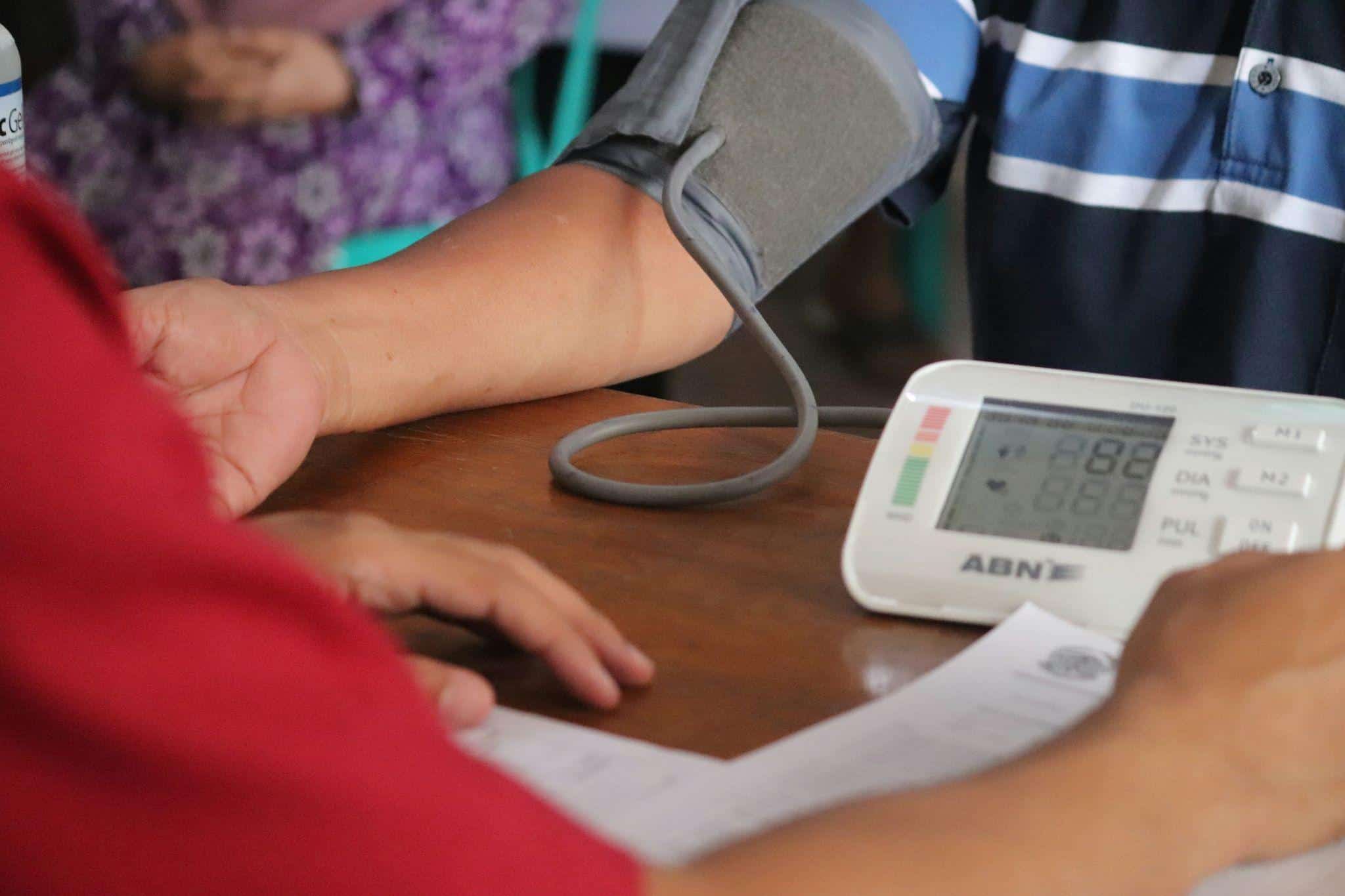
By the time people reach their 50s, preventive healthcare becomes even more valuable because the likelihood of developing certain chronic conditions increases with age. Early detection often allows treatment to begin before symptoms significantly affect quality of life.
Routine monitoring of blood pressure, cholesterol, blood sugar, weight, and cardiovascular health remains essential. Age-appropriate cancer screenings become a regular part of healthcare for many adults, while vision and hearing examinations also deserve greater attention because gradual changes can easily go unnoticed.
Medication reviews become increasingly important during this decade as well. Regular discussions with healthcare providers help ensure prescriptions remain appropriate while reducing the risk of unwanted interactions or unnecessary medications.
Preventive care during your 50s isn’t simply about finding illness. It’s about maintaining independence, mobility, and overall quality of life for as long as possible.
Healthy Habits Matter Between Appointments
Health screenings provide valuable information, but they work best when combined with everyday habits that support long-term well-being. Regular physical activity, nutritious meals, sufficient sleep, stress management, maintaining a healthy weight, limiting alcohol consumption, and avoiding tobacco all contribute significantly to reducing future health risks.
It’s equally important to pay attention to new or unusual symptoms instead of assuming they’ll disappear on their own. Persistent fatigue, unexplained weight loss, ongoing pain, changes in bowel habits, unusual lumps, or prolonged shortness of breath should all be discussed with a healthcare professional rather than waiting until the next scheduled examination.
Preventive healthcare extends beyond the doctor’s office. Daily decisions continue influencing long-term health between every appointment.
Prevention Is One of the Best Investments You Can Make
Many of the most serious health conditions become far easier to manage when identified early. That’s why routine screenings remain one of the most valuable parts of preventive healthcare. Rather than waiting for symptoms to appear, regular checkups allow healthcare providers to monitor changes over time and recommend interventions before problems become more difficult to treat.
Building consistent healthcare habits in your 30s, expanding preventive care during your 40s, and focusing on early detection throughout your 50s creates a strong foundation for healthy aging. Working with your healthcare provider to develop a screening schedule based on your personal health history ensures that recommendations are tailored to your individual needs rather than relying on age alone.
Good health is rarely the result of one decision. It’s built through years of consistent habits, informed choices, and regular preventive care that together support a healthier future.