


You might walk through an airport and not notice much. But behind the scenes, things are changing. Machines that used to roar and pollute now hum quietly. Tools like EGSE are replacing older systems, running cleaner and more efficiently. It’s not just about being eco-friendly—it’s about making work smoother, cutting costs, and creating safer spaces for everyone. And this shift? It’s happening everywhere, not just airports. Industries are quietly stepping into a future that’s smarter and greener.
Why Sustainability is No Longer Optional
Governments are stricter now. New rules come out all the time, and fines for ignoring them aren’t small. Customers care too. They notice if a company isn’t taking steps to reduce its impact. And your employees? They notice as well. People want to work somewhere that actually tries to do the right thing. You can’t just say “we care” anymore—you have to show it.
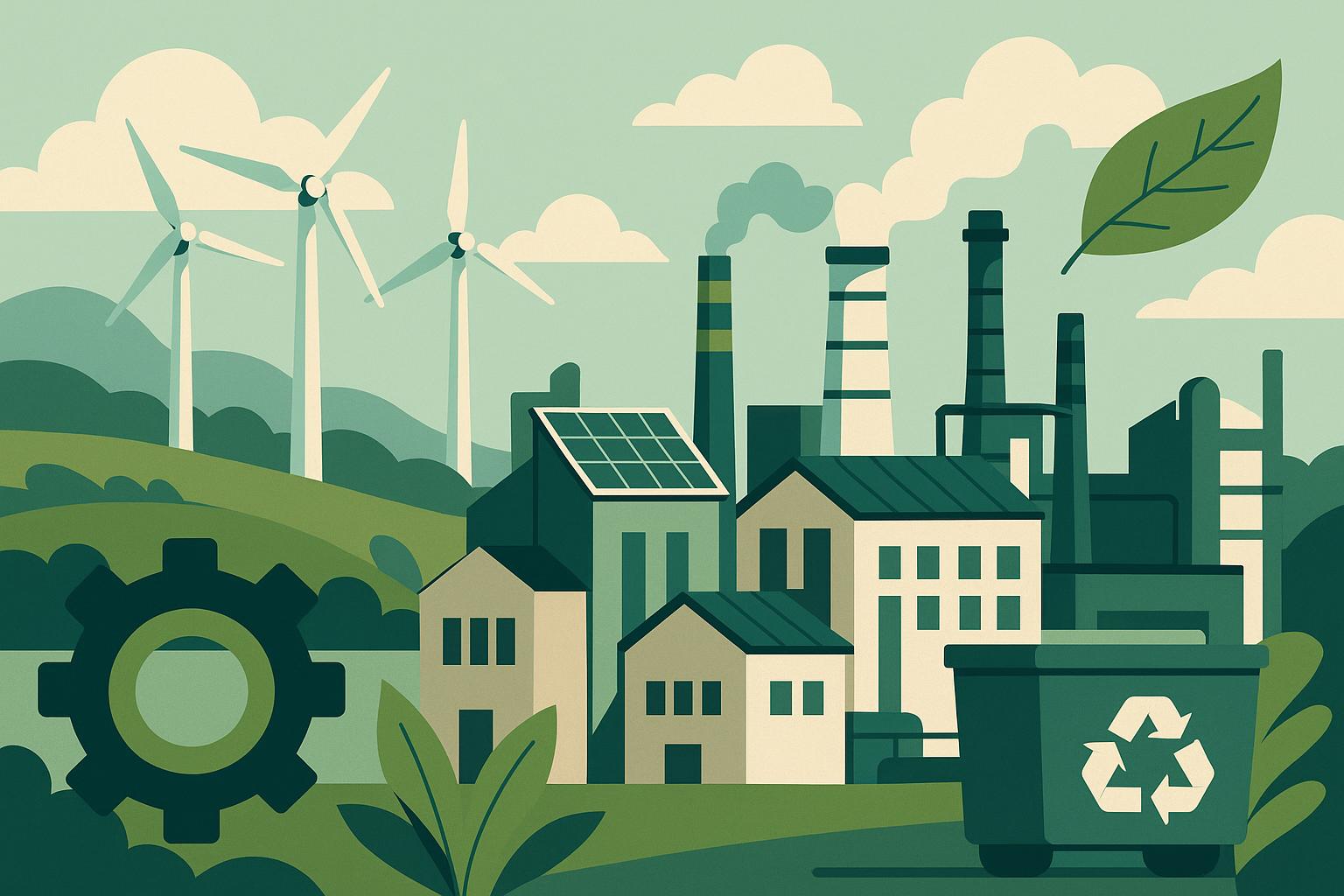
It goes beyond looking good; cleaner operations usually result in reduced breakdowns, energy bills and less chaos. Picture this–imagine having one of your machines break down in the middle of an important shift and slow everything down. It would be extremely stressful. Plus it costs money.
Once operations run more efficiently, everyone benefits. Productivity increases while mistakes decrease and people feel refreshed at the end of a workday. Doing your part for sustainability soon becomes part of everyday work life and no longer feels like something out of the way or unnecessary.
Key Strategies to Achieve Sustainable Operations
Look at your equipment first. Are your machines energy-efficient? Do they waste power or fuel? Can you cut unnecessary steps in your processes? Small changes often have surprisingly big results. Airports are a great example—EGSE has quietly transformed operations there. Machines hum instead of roar. Maintenance is simpler. Fuel costs drop. Staff notice, even if they don’t say it out loud. Days feel smoother, less stressful, and a little easier to manage.
And it’s not just about the machines. It’s about the whole system. Scheduling, workflow management and monitoring–you have control over these aspects to make a big difference too. Electric systems come equipped with tracking tools so that you can see exactly where energy is being spent or wasted and where improvements could be made. Suddenly, what was invisible becomes something measurable and manageable.
Factories, warehouses and any large facility can utilize similar strategies. Electric machines, renewable energy sources and monitoring tools help monitor efficiency, reduce emissions and create quieter working environments. And when things run smoothly without breaking down unexpectedly or clanking loudly on our daily commutes, you take notice. People are less stressed, and operations feel…well, smarter. You start thinking: why didn’t we do this sooner?
Overcoming Challenges to Implementing Sustainable Practices
Of course, it’s not magic. New systems can feel intimidating. Upfront costs look scary. Staff might resist. You get it—it’s a big shift.
But here’s the thing: take it slow. Start with what you can. Train your team. Show them how these changes help, not just the company, but their daily work. Slowly, the new ways stick. What once felt awkward or overwhelming becomes routine. And the benefits? They start stacking up. Machines break less often, energy becomes more predictable, and everyone gets a smoother day at work.
The Broader Impact on Industry and Communities
When you zoom out, the effects are bigger than just your facility. Cleaner operations help local communities too. Less noise. Cleaner air. Fewer disruptions.
Electrification doesn’t just make business sense—it makes life around the workplace better. And it’s cumulative. As more industries adopt electric systems like EGSE, the environment benefits more, operations get smoother, and workplaces are safer. You’re not just changing one corner of industry; you’re part of a bigger story.
Conclusion
At present, industries that embrace sustainable operations will thrive. Cleaner machines, smarter energy use and greener practices don’t just constitute passing trends–they shape how work gets done. By adopting sustainable operations now, industries will enjoy greater efficiencies that benefit everyone involved – you may make life easier for team members while cutting costs and operating more efficiently. Trends like electrification of industries demonstrate this reality of tomorrow – you could lead the change with ease, without anyone even realizing.