


Key Takeaways
- Prioritize safety and obtain medical care promptly, even when symptoms initially seem minor.
- Record the route, vehicle number, operator, location, time, and witness information.
- Preserve photographs, clothing, medical paperwork, crash reports, and electronic communications.
- Find out quickly whether a public agency, such as RTD or a school district, may be involved.
- Do not assume a police report or an insurance call satisfies every legal deadline.
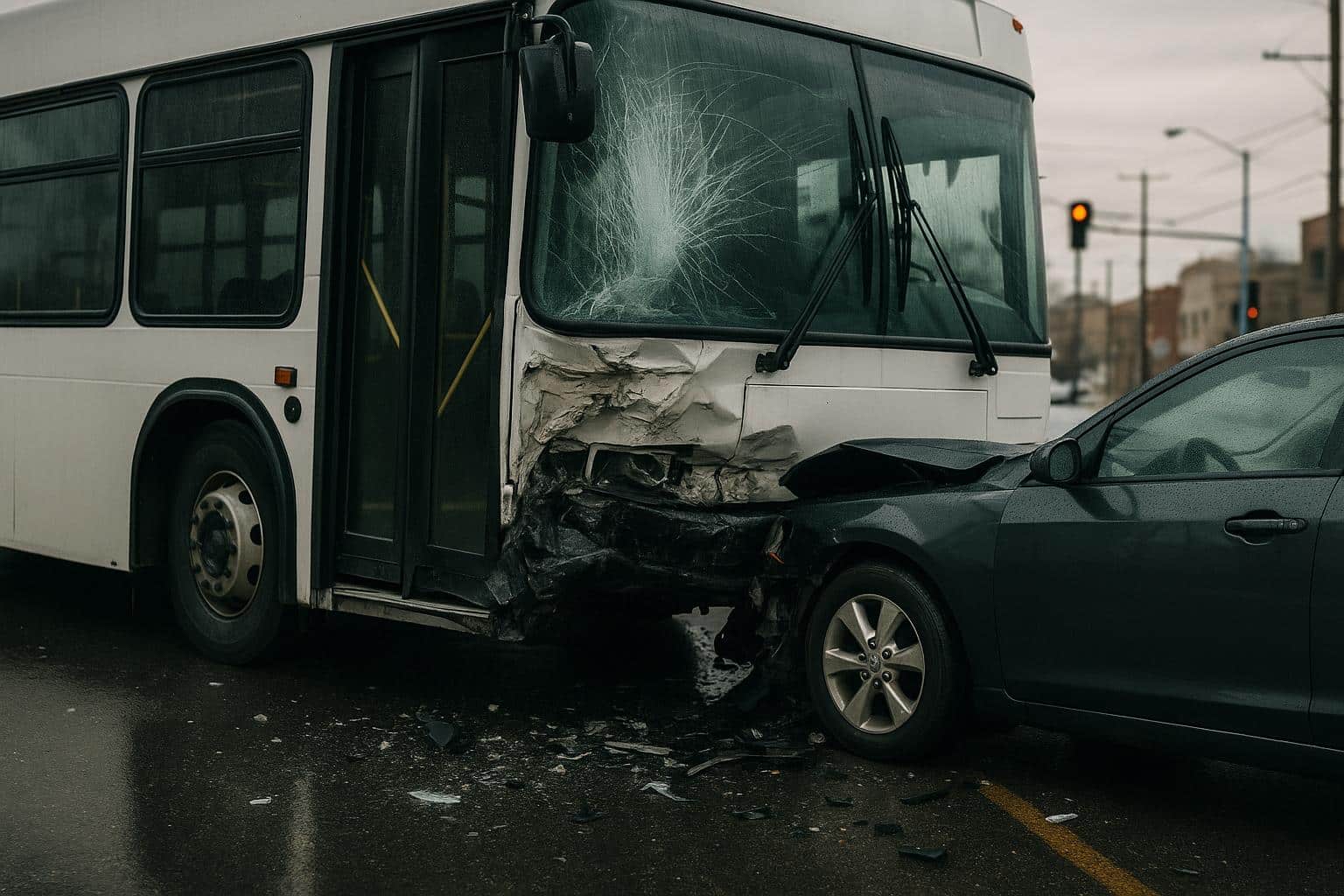
A bus crash can leave passengers, pedestrians, cyclists, and drivers shaken, injured, and unsure of what to do next. Whether the incident involves an RTD bus, school bus, hotel shuttle, charter bus, or commercial transit vehicle, the first two days can affect both your health and the records available later. For a Colorado-specific overview of bus crash injury claims in Colorado, Conduit Law offers a Denver-area guide covering RTD, school bus, shuttle, charter, and commercial transit incidents. Its bus accident practice focuses on issues that commonly complicate these cases, including identifying all responsible parties, preserving onboard video and operational records, and addressing Colorado public-entity notice concerns.
Take Safety Steps at the Scene
Start with immediate safety. Move away from traffic, broken glass, leaking fuel, or unstable vehicles if you can do so safely. Call 911 when someone has severe pain, heavy bleeding, trouble breathing, confusion, loss of consciousness, or another urgent symptom. Do not argue with the driver, another motorist, or witnesses. A calm and accurate account is more useful than trying to decide fault while events are still unfolding. Bus-related injuries can occur without a major collision. A rider may be thrown down by sudden braking, fall while boarding, be hurt by an unsafe turn, or be struck while walking or cycling near a stop. Children hurt in a school bus crash, and people injured while using a wheelchair lift, may need added assistance and careful documentation.
- Key Takeaways
- Take Safety Steps at the Scene
- Get Medical Care and Track Symptoms
- Document What Happened
- Details Worth Recording
- Preserve Evidence Before It Disappears
- Identify the Operator and Other Parties
- Review Colorado Deadlines
- Handle Insurance Contact Carefully
- Common Questions
- What if the bus leaves the scene?
- What if there were no vehicle collisions?
- Does a police report start a legal claim?
- Final Checklist
Get Medical Care and Track Symptoms
Seek a medical evaluation as soon as practical. Adrenaline can mask pain, while concussion symptoms, neck injuries, back problems, soft-tissue injuries, and emotional distress may become noticeable hours or days later.¹ For example, a passenger who walks away after a hard stop might later experience dizziness, headaches, neck stiffness, or difficulty concentrating. Follow discharge instructions, attend follow-up appointments, and report all symptoms to providers. Keep a simple log listing pain levels, sleep issues, missed work, treatment visits, medications, and changes in daily activities. Save bills, prescriptions, mileage records, work restrictions, and written communications from employers.
Document What Happened
Memories can become less clear quickly after a stressful event. As soon as it is safe, write down the facts in your own words. Include the transit agency or company, route number, bus number, driver name if known, date, time, direction of travel, and exact location.
Details Worth Recording
- Where you were seated or standing, and whether you were holding a rail.
- What happened immediately before the impact, sharp turn, or sudden stop?
- Weather, lighting, road, and traffic conditions.
- Names and contact information for passengers or other witnesses.
- Police report numbers, transit incident numbers, and insurance claim numbers.
Take safe photographs of injuries, damaged clothing, the bus, bus stop, traffic signals, road conditions, and nearby vehicles. Do not step into traffic or otherwise create a new risk to take a picture.
Preserve Evidence Before It Disappears
The bus operator, a public agency, or a contractor may control important proof. That can include interior and exterior camera footage, GPS data, dispatch communications, driver records, maintenance files, and passenger incident reports. RTD has publicly discussed its system safety reporting and monitoring practices, which illustrate why identifying the route and approximate time can be important when locating records.
- Save original photos and videos rather than only screenshots or edited copies.
- Keep damaged clothing, helmets, bags, mobility devices, or other relevant items.
- Save texts, emails, and social media messages discussing the crash.
- Write down witness information before it is lost.
- Ask whether video and electronic records are being preserved.
Identify the Operator and Other Parties
The phrase “bus company” may not identify everyone involved. The owner, the driver’s employer, the route manager, the maintenance contractor, the school district, the public transit district, another motorist, or the vehicle manufacturer could each have a role. A private shuttle serving a public facility, for example, may involve different entities and insurance arrangements. Ask who owned the bus, who employed the driver, who controlled the route, and who maintained the vehicle. These answers can affect which evidence is available, what coverage applies, and whether special rules apply.
Review Colorado Deadlines
Colorado deadlines depend on the facts, so general information is not a substitute for reviewing an individual situation. Motor-vehicle injury claims commonly have a three-year filing period, but exceptions can change that analysis. Colorado also follows modified comparative negligence, meaning a person’s recovery may be reduced by their share of fault and may be barred if they are found 50 percent or more responsible. Public-entity cases require particular attention. A claim involving RTD, a public school district, city, county, or other government operator may require a written notice under the Colorado Governmental Immunity Act within 182 days after discovery of the injury.² Reporting to the police, talking with an adjuster, or filing an agency incident report may not satisfy that requirement.
Handle Insurance Contact Carefully
An insurer may request a recorded statement, medical authorization, or a quick description of injuries. Be truthful, but do not guess, minimize symptoms, or estimate future treatment before your medical condition is clear. Keep copies of every letter, email, form, and claim number. Avoid signing a release until you understand which rights it could affect.
Common Questions
What if the bus leaves the scene?
Report the incident promptly and record the route, direction, stop location, and approximate time. Transit agencies may be able to identify a vehicle through route and scheduling information. Seek medical care and try to locate witnesses.
What if there were no vehicle collisions?
A sudden stop, a sharp turn, a boarding incident, an unsafe departure, or a passenger fall may still warrant review. The key question is what caused the event and whether the operator or another party acted unreasonably.
Does a police report start a legal claim?
A police report can be valuable documentation, but it does not necessarily meet a special notice requirement or replace a formal claim. Preserve the report number and request a copy when it becomes available.
Final Checklist
- Get emergency help when needed.
- Seek medical care and follow treatment instructions.
- Record bus, route, location, and witness details.
- Photograph safely and preserve physical evidence.
- Save medical, wage-loss, and claim records.
- Determine whether a public entity may be involved.
- Review potential notice deadlines before time passes.
The first 48 hours after a bus crash can shape the medical record, protect evidence, and reveal deadlines that are easy to miss. An organized response keeps the focus where it belongs: health, accurate facts, and protecting available options.