


Dentistry isn’t just about fixing teeth anymore. It’s shifting toward a smarter, more connected approach—one where every decision, especially surgical ones, is backed by solid data and a look at your long-term health. Most people think of dental work as just something you have to do, but the way you take care of your mouth actually plays a huge role in your overall health. For young adults, finding out about the wisdom teeth removal cost is often their first real taste of what preventive care means. Getting those third molars out early—before they cause trouble—can save you from a lot of pain and bigger problems down the road. Sure, it costs money now, but it’s really an investment in avoiding gum disease and all the other health issues that come from chronic inflammation in your mouth.
So, what’s the big deal with wisdom teeth? These third molars are leftovers from a time when our ancestors needed bigger jaws and tougher teeth. But modern jaws just don’t have the space. That’s why, so often, wisdom teeth get stuck or “impacted”—trapped under the gum or even inside the bone.
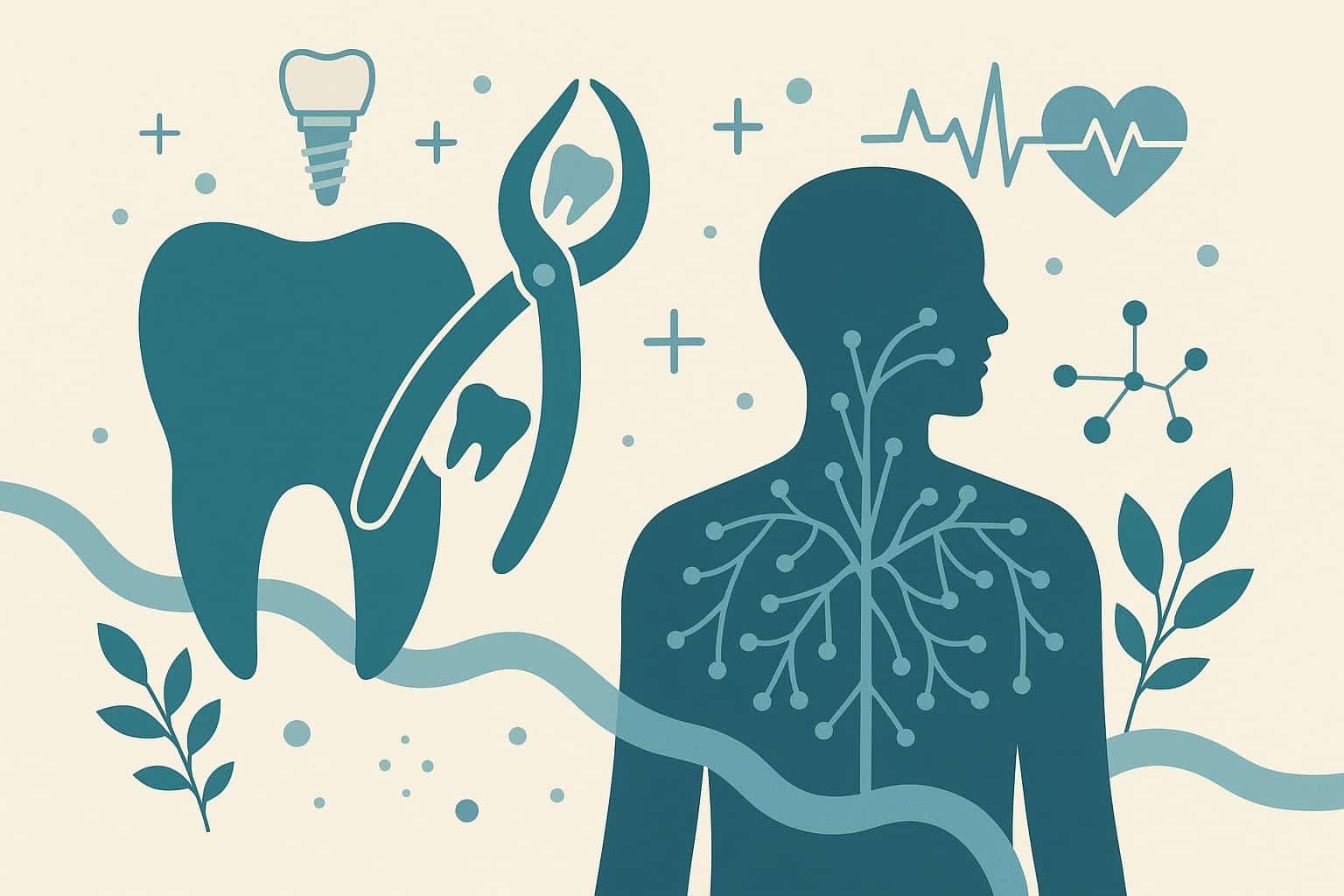
When that happens, it’s not just annoying. Impacted teeth create little pockets where bacteria love to hide, leading to pericoronitis—a nasty infection that brings swelling and pain. Even worse, that slow, steady inflammation can spread beyond your mouth. Studies show that bacteria from these spots can get into your bloodstream, raising your risk for heart trouble and making inflammation markers climb all over your body.
The good news? Technology has changed the game. Dentists don’t just rely on old-school X-rays anymore. With Cone Beam CT scans, they get a detailed 3D map of your whole jaw. That lets them spot nerves (like the all-important inferior alveolar nerve) so they can avoid damaging them, check the twists and turns of your tooth roots, and measure how dense your bone is—all before they even pick up an instrument.
This kind of planning means smaller incisions, less bone removal, and a faster, easier recovery. You bounce back quicker, and there’s less risk of things like dry socket or infection.
And here’s something pretty cool—many clinics now use Platelet-Rich Fibrin (PRF) to speed up healing. Right after removing a wisdom tooth, they’ll take a little of your blood, spin it in a centrifuge, and pull out the good stuff—growth factors and white blood cells. They put this PRF right into the spot where your tooth was. It acts like a healing booster, cutting down pain and helping bone and tissue grow back faster. It’s a great example of how dentistry is starting to use your own biology to help you heal.
But it’s not just about getting rid of pain. Pulling out problematic wisdom teeth keeps your bite in line. When those molars push against the others, they can cause crowding, root damage, and even TMJ problems—think headaches, jaw aches, neck pain. None of that is fun.
Bottom line: oral health is a huge part of staying healthy overall. With high-tech imaging, smarter surgery, and new ways to help you heal, wisdom teeth removal isn’t just safer—it’s a real step toward feeling good for years to come.