


Key Takeaways
- Whistleblowers are essential for uncovering unethical practices, leading to significant organizational reforms.
- Legal protections and support systems are vital to encourage and safeguard whistleblowers.
- Technological advancements are enhancing the ability of whistleblowers to report misconduct securely and anonymously.
Table of Contents
- The Role of Whistleblowers in Corporate Accountability
- Impact on Various Industries
- Legal Protections and Support Systems
- Technological Advancements in Whistleblowing
- Challenges and Considerations
- Conclusion
Whistleblowers play a vital part in supporting ethical business practices and upholding accountability in today’s organizations. By stepping forward to report wrongdoing, whistleblowers can profoundly affect workplaces, exposing issues that may otherwise remain hidden while helping to shape a culture of honesty and integrity. For anyone considering taking this courageous step, consulting a trusted resource, such as https://ifightforyourrights.com/whistleblower-lawyer/, can provide guidance and support throughout the process. The impact of whistleblowers doesn’t stop at resolving isolated incidents. When employees report unethical behavior, their actions can prompt industry-wide reforms, strengthen legal protections, and inspire other team members to act with integrity. In an era where transparency is valued by clients, investors, and employees alike, whistleblowers help organizations build trust and credibility over the long term.
The Role of Whistleblowers in Corporate Accountability
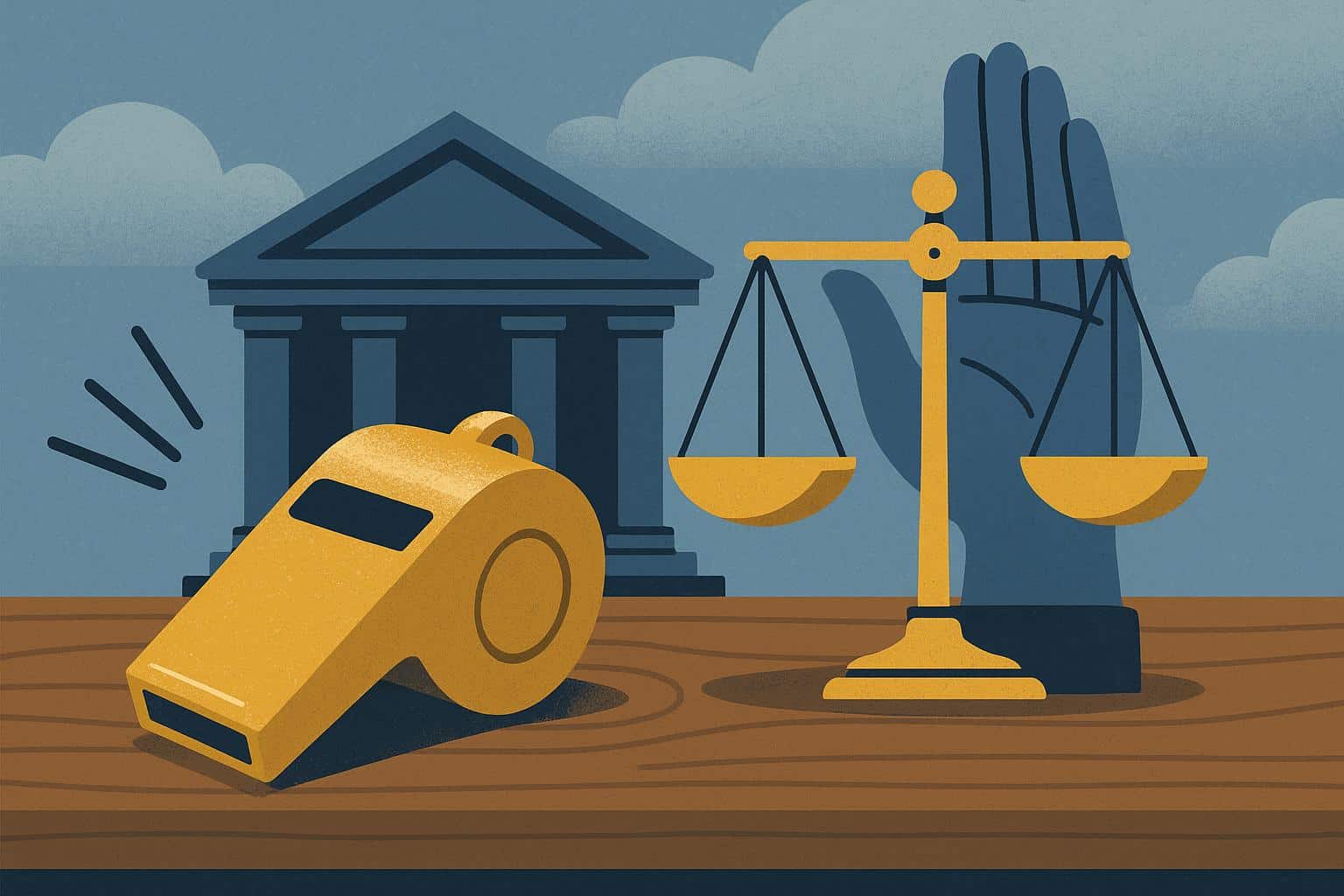
Inside every organization, whistleblowers act as critical checks against unethical or illegal practices. They promote transparency by revealing actions that jeopardize a company’s reputation and its stakeholders’ interests. Notably, a Harvard Business Review report indicates that companies with robust internal reporting systems experience fewer lawsuits and reduced settlement costs, highlighting the health benefits of a transparent corporate culture. These internal watchdogs are often motivated by a strong sense of justice and a desire to see their workplaces improve. Their willingness to speak up, despite personal risk, signals to others that ethical standards matter. Over time, such actions compel management to prioritize compliance and foster an environment where integrity is non-negotiable.
Impact on Various Industries
Whistleblowing has sparked positive change across a broad array of industries. In healthcare, for example, whistleblowers have exposed fraudulent billing schemes and lapses in patient safety, prompting reforms and legislative action to protect both patients and public resources. The extent of these changes can be seen in the overhaul of policies following major whistleblower cases, such as those involving Medicaid and Medicare fraud. In the financial sector, whistleblowers have been instrumental in unveiling market manipulation, insider trading, and money laundering schemes. Their actions have led to stricter compliance requirements and greater transparency, helping restore faith in the financial system following crises such as those highlighted in the aftermath of the 2008 recession. In the technology industry, concerns about data privacy have come to light through whistleblowers’ efforts. Reports of unauthorized data use have compelled technology companies to tighten security protocols and implement better privacy controls. These systemic reforms not only safeguard consumers but also influence global policy directions regarding data protection and cybersecurity. The far-reaching effects of whistleblowing are also evident in public sector reforms, where government watchdogs have played crucial roles in ensuring public funds are used ethically and that agencies remain accountable to taxpayers.
Legal Protections and Support Systems
To foster a safe environment for whistleblowers, governments and regulatory bodies have developed legal frameworks that shield individuals from retaliation. In the United States, statutes such as the Dodd-Frank Act and the Whistleblower Protection Act offer significant protections and, in some cases, financial incentives for individuals who come forward, especially in regulated industries like banking and healthcare. The U.S. Department of Justice and the Securities and Exchange Commission (SEC) have also implemented programs that actively encourage whistleblowing. These initiatives not only protect whistleblowers’ identities but also offer rewards for information that leads to successful enforcement actions. The goal is to promote a culture of openness in which employees feel empowered to report wrongdoing without facing professional consequences.
Technological Advancements in Whistleblowing
The landscape of whistleblowing has changed dramatically with the rise of technology. Secure digital reporting platforms have been developed that enable employees to submit reports without revealing their identity. These tools employ encryption, user anonymity, and dedicated hotlines to eliminate the fear of exposure, which has proven to be one of the largest deterrents for potential whistleblowers. The growth in technological solutions has led to a significant increase in reporting rates, as more individuals feel confident that their concerns will be handled confidentially and promptly. Many organizations have invested in training employees to use these systems and have established transparent processes to efficiently respond to whistleblower reports.
Challenges and Considerations
Despite protections and advances in reporting technology, whistleblowers frequently face serious challenges. These may include retaliation, professional isolation, and damage to their reputation. Some may even encounter legal threats or find their career prospects limited as a result of speaking out. Organizations must be proactive in addressing these risks, not only by guaranteeing robust protections but also by fostering a supportive workplace culture. Trust in the reporting process is essential. Employers need to ensure that their internal channels are accessible, secure, and perceived as fair. Leadership plays a vital role in creating a culture that supports transparency, encourages ethical decision-making, and values the contributions of those who safeguard organizational integrity.
Conclusion
Whistleblowers are indispensable agents of change in advancing ethical business practices and organizational accountability. By exposing misconduct, fraud, and other unethical activities, they help organizations identify weaknesses, strengthen compliance efforts, and prevent future violations. Equipping employees with secure reporting options, comprehensive ethics training, confidential communication channels, and strong legal protections creates an environment where concerns can be raised without fear of retaliation. This proactive approach enables organizations to address issues quickly, improve decision-making, and build greater employee confidence and morale. Leaders who encourage transparency and respond fairly to reports demonstrate a genuine commitment to integrity and responsible governance. Ultimately, embracing a culture that values whistleblowing not only reduces organizational risk but also enhances public trust, supports long-term sustainability, and creates stronger, more resilient workplaces where ethical behavior is recognized, protected, and encouraged at every level.