


In the contemporary discourse on domestic well-being, we have become increasingly sophisticated in our evaluation of environmental factors. We measure the volatile organic compounds (VOCs) in our paint, monitor the particulate matter levels in our air filtration systems, and scrutinize the chemical composition of our household cleaning agents. Yet, one of the most common daily rituals—the lighting of a home fragrance candle—has historically been exempt from the rigorous scientific scrutiny that we apply to other household products. As a result, many households unknowingly introduce significant combustion byproducts into their living spaces. For those seeking a deeper understanding of the chemical interactions at play, the technical resources provided by the Willis Candle Shop offer a valuable framework for evaluating how material science dictates the safety and efficiency of home fragrance. Understanding these mechanisms is not just a matter of olfactory preference; it is a fundamental component of maintaining high-quality indoor air.
The core of the issue lies in the combustion profile of various wax types, starting with the industry’s most prevalent material: paraffin. Paraffin is a byproduct of the petroleum refining process, valued by mass-market manufacturers for its low cost and high scent-holding capacity. However, from a chemical engineering perspective, paraffin is a hydrocarbon-heavy fuel that rarely achieves complete combustion in the context of a small candle flame. The resulting emission of carbon-based soot is a documented phenomenon, one that often contributes to the accumulation of film on interior surfaces. To compensate for the inherent instability of this material, industrial producers frequently incorporate chemical additives like Vybar or microcrystalline waxes. These are not benign stabilizers; they are functional polymers designed to manipulate the melting point and structural rigidity of the wax. When these polymers are subjected to the heat of the wick, they participate in the combustion process, potentially releasing complex volatile organic compounds that do not align with the goals of a healthy indoor environment.
Thermodynamics and the Fallacy of Botanical Safety
The market’s reaction to the limitations of paraffin has often been a pivot toward the “natural” sector, specifically candles marketed as being infused with essential oils. While the intent to avoid petroleum-based synthetics is commendable, the execution frequently ignores the harsh realities of thermodynamics. An essential oil is a complex mixture of volatile aromatic compounds that have evolved to function within the temperate biological systems of plants. They are inherently sensitive to thermal stress. A candle flame, by contrast, acts as a high-intensity energy source, often reaching temperatures in excess of 2,500 degrees Fahrenheit at the wick’s base.
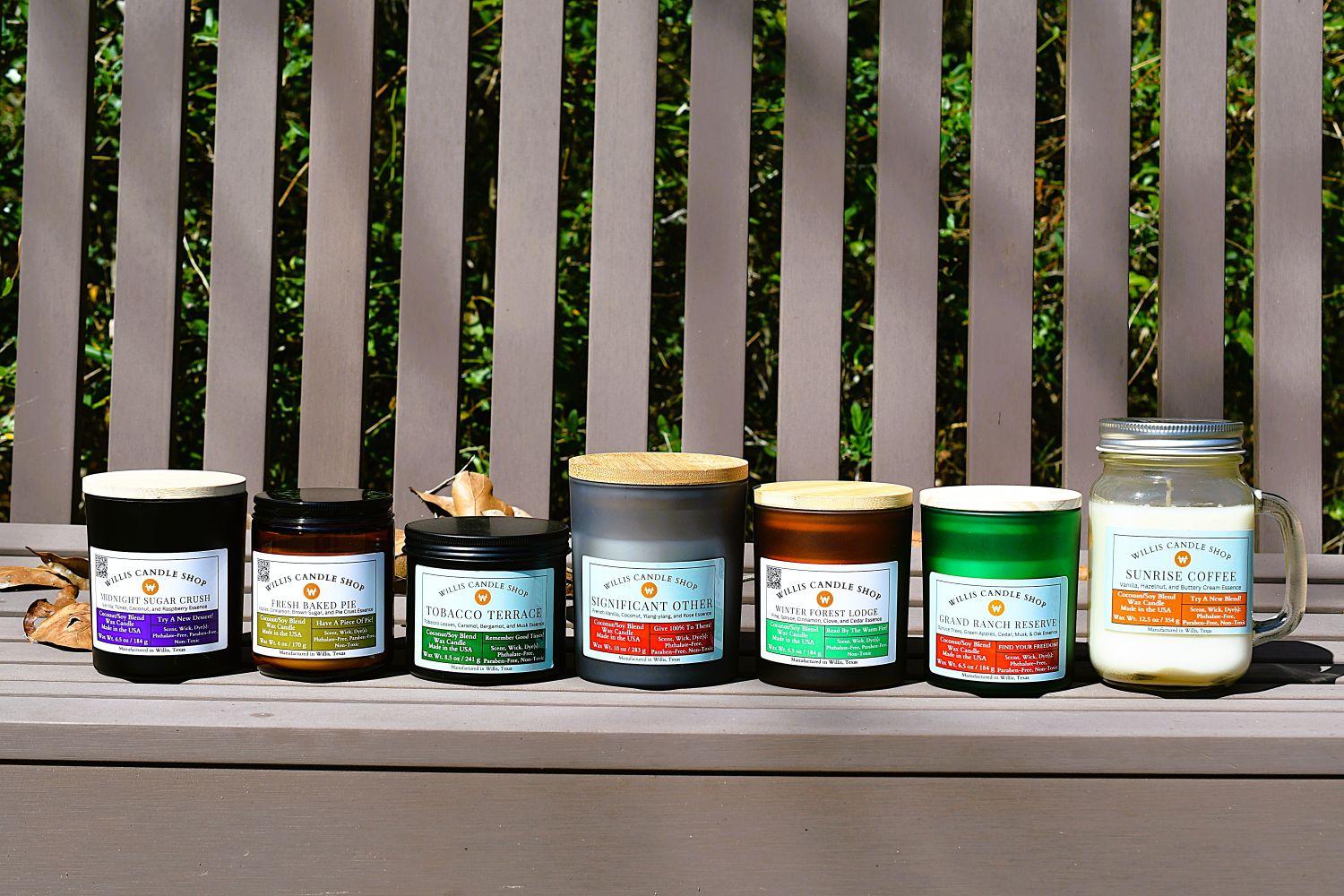
When raw essential oils are subjected to this level of heat, they do not merely disperse; they undergo thermal cracking. This process breaks the delicate botanical molecules into smaller, often unpredictable compounds, which can produce acrid, smoky, or potentially irritating emissions. This is a critical distinction that many consumers miss when browsing for fragrance. If you look at the specialized Fall & Winter Candle Collection, you will observe that the fragrance components are distinctly formulated for combustion stability. These oils are engineered to be “heat-resilient,” meaning they maintain their chemical integrity until the precise moment of volatilization. This allows for a clean, consistent fragrance release without the soot, flickering, or chemical breakdown typical of unrefined botanical-based candles.
Engineering for Performance: The Future of Home Fragrance
The future of home fragrance is increasingly driven by a “precision-first” philosophy. This approach treats the candle as a functional instrument rather than a decorative object. By carefully engineering the relationship between the wax matrix—often a sophisticated blend of plant-derived waxes like coconut and soy—and the fragrance load, manufacturers can create a predictable, clean burn. This involves precise calibration of the wick’s absorption rate and the wax’s melting point to ensure that the fuel consumption remains laminar and steady. In technical terms, a laminar burn is the goal; it indicates that the fuel is being consumed completely and at the correct rate, which effectively minimizes the release of unburned particulate matter.
This paradigm shift toward engineering transparency is essential for the modern consumer. We are no longer content with “proprietary blends” that hide the true nature of their ingredients. We require a transparent accounting of the wax composition and a scientific rationale for the fragrance oils chosen. By demanding this level of detail, we are incentivizing a shift toward safer, more reliable products. This is not merely about a pleasant scent; it is about the active stewardship of our domestic air quality. We are making a conscious choice to prioritize data-backed manufacturing over the shortcuts that have dominated the industry for decades.
Ultimately, the health of our domestic environment is the sum of our daily habits. By choosing to incorporate candles that are manufactured with an understanding of combustion chemistry, we are creating a home that is as intellectually sound as it is comfortable. It is a commitment to the invisible—the air we breathe—and to the science that allows us to manage it with intelligence and intent. This shift toward performance-based fragrance is the logical next step for any home that values both aesthetic beauty and structural integrity. As we move forward, let us continue to prioritize the technical truths behind our choices, ensuring that our sanctuary remains a place of genuine recovery, free from the unnecessary chemical burdens of the past.