


Google’s newest smart home push crams more Gemini smarts into the Home app and drapes them in a new paid tier called Home Premium. On paper, it pledges richer AI capabilities and deeper camera features. Simply put, I can’t reconcile that recurring cost with the bare minimum of what I actually want out of a home system, especially when so many other options yield the same results sans a monthly bill.
What You Actually Get With Google Home Premium
Home Premium essentially expands on the old Nest Aware playbook: prolonged video history for cameras, more intelligent alerts, and more features tied to cloud processing. Historically, that’s meant Nest Aware has cost between roughly $80 per year for 30 days of event history and about $150 per year, which includes both 60 days’ worth plus continuous recording (on wired cams). Home Premium seems to fall into that realm, with its price and benefits dependent on level and region.
- What You Actually Get With Google Home Premium
- The Math Just Doesn’t Work for Subscriptions
- Local Storage Tackles Most of the Camera Pain Points
- AI Alerts No Longer Need the Cloud for Smart Detection
- Privacy and Control Matter More Than Ever
- What a Paid Tier Might Be Worth for Home Users
- Home Premium Bottom Line: Is the Value There?
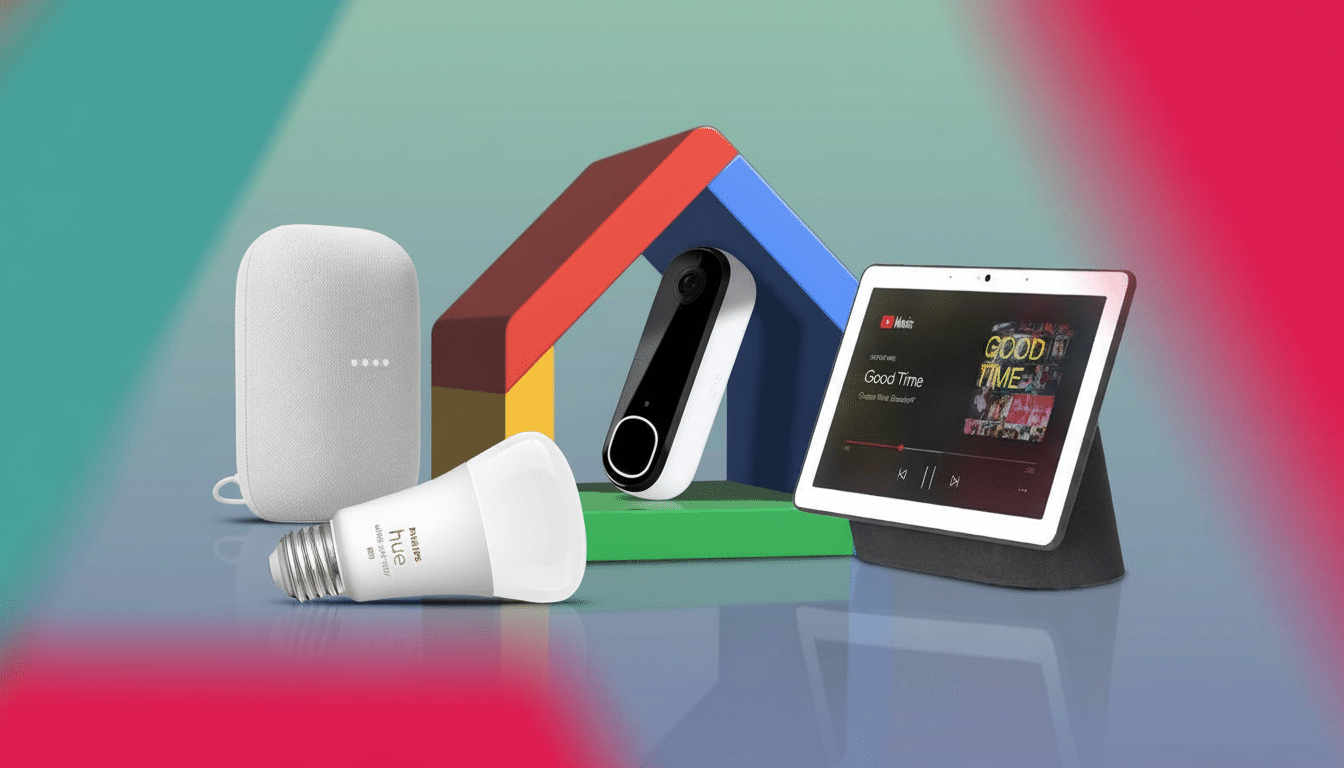
Outside of video, Google is playing up AI improvements for routines and context-aware assistance between speakers, displays, and other new hardware. The pitch here is convenience and smarts at scale — you don’t have to tinker, and you don’t need network boxes, just the cloud doing all the heavy lifting.
The Math Just Doesn’t Work for Subscriptions
Smart home subscriptions join a crowded ledger. You’re experiencing a form of subscription fatigue in action. These findings from Deloitte’s annual Digital Media Trends report accentuate widespread levels of consumer discomfort with subscriptions, with many households actively cutting back on recurring services. Put a home tier — say, $100–$150 per year — on top of that and you’re out $300–450 over three years — the price of a competent local recorder or a couple more cameras.
The more important question is value density. Am I buying an experience I will use every day, or am I paying to keep options open? With phones that already have robust assistants and, in some cases, powerful Gemini features on board (depending on your plan), it’s a hard sell to make people pay extra simply to move similar intelligence into the living room.
Local Storage Tackles Most of the Camera Pain Points
Cloud video is not the only name in town. Wyze allows you to slide a microSD card into most of its budget cams and browse footage via the app directly — no subscription required. Arlo offers local recording of its feeds through the included base station. Eufy’s HomeBase and the newly announced AI Core represent a continued, on-premises push towards more advanced detection without shipping your video clips off to remote servers.
For many families, that’s all they need: instant clip access, person or package detection, and zilch for ongoing fees. If you want to rely on cloud convenience, suit yourself — just have all your data backed up offsite and share links with the family. But if local alternatives can get the job done, paywalling basic functionality starts feeling hard to justify.
AI Alerts No Longer Need the Cloud for Smart Detection
Package detection, pet recognition, and familiar-face alerts are all mature on-device workloads. Chipmakers have been shipping NPUs specialized for these tasks across multiple product generations. Eufy’s local AI upgrades at IFA stood as a reminder that you can get quick, private inference at home — and it scales once you have sunk the initial cost.
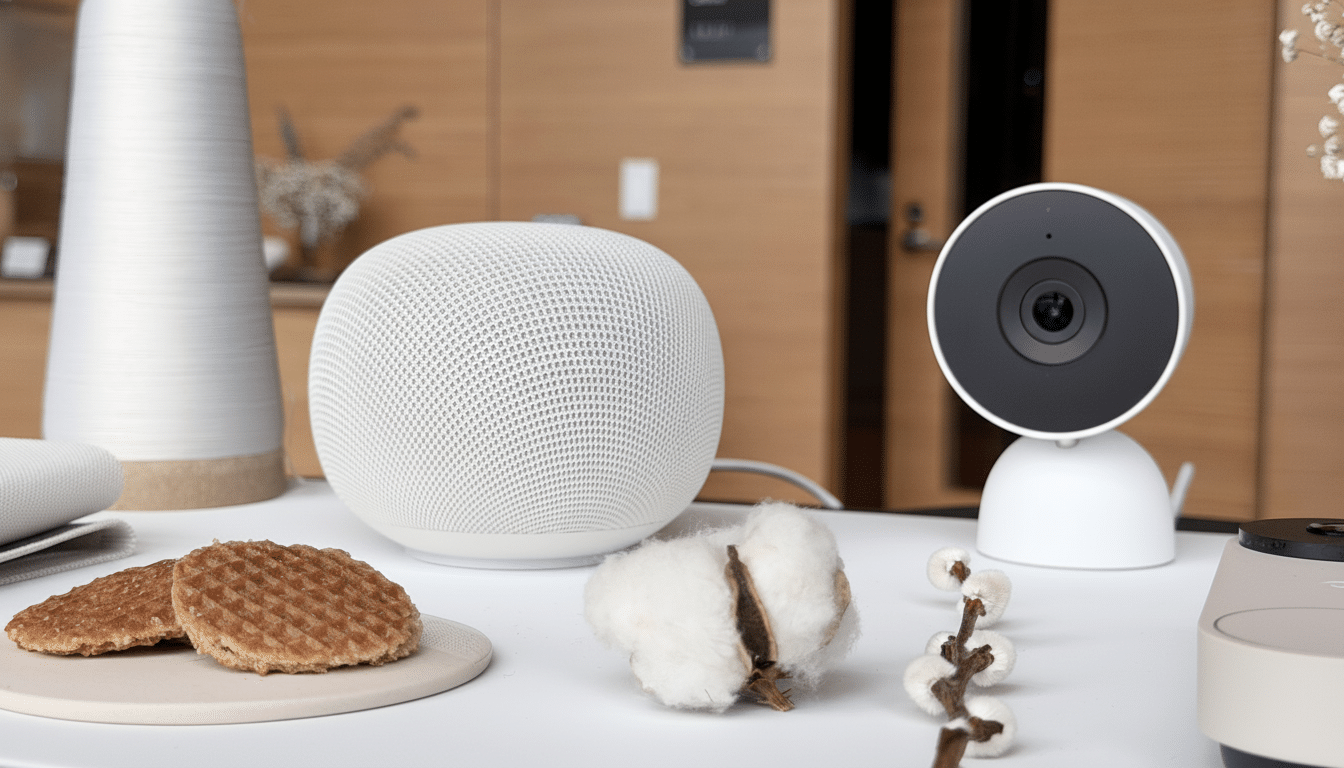
The cloud is ideal for computationally intensive language models or cross-household knowledge graphs. But in the case of most cameras, local inference is cheaper, faster, and more privacy-protective. It’s also another reason a subscription fee seems out of sync with the feature set.
Privacy and Control Matter More Than Ever
Household video is uniquely sensitive. Consumer Reports has been warning consumers to pay attention to how camera data is stored and accessed, encouraging buyers to seek out providers with strong policies related to privacy and security, while regulators have taken notice — the recent enforcement actions against connected camera platforms are indicative of what happens when safeguards fall short. Local-first is a path of reduced exposure: fewer third parties, fewer targets of attack, more direct control over the extent and duration of retention.
If a subscription is necessary, it should purchase tangible protections and promises: clear retention practices, breach notifications, uptime SLAs, and the door open for when you leave along with your data. Far too many smart home subscriptions skirt those obligations while charging premium prices anyway.
What a Paid Tier Might Be Worth for Home Users
There is a version of Home Premium I’d be willing to pay for. It would offer a local hub choice with on-board AI, hardware for sale just once, and optional cloud add-ons. It would scale camera prices more fairly and penalize multi-cam setups less. It would ensure offline automations with standards such as Matter and Thread so core routines never rely on a server. And it would provide high-quality support that actually resolves issues in a timely manner.
More importantly, it would keep baseline functionality from behind a paywall. Remote device access, local clip history, and rudimentary notifications should be table stakes after spending on the hardware.
Home Premium Bottom Line: Is the Value There?
Home Premium looks lean and helpful, and some households are going to adore the set-it-and-forget-it ease. But, alas, between available good local alternatives to the contrary (like Nokia’s Here on Windows Phone) and redundant AI on phones these days, like Siri or OK Google, and a side of growing subscription fatigue, the ROI just isn’t for me.
I’d rather pay sticker price for hardware that will continue to work, sans a monthly bill, than rent features that my home doesn’t need at its core. Unless and until there’s a stellar, local-first tier — or if the value proposition is made infinitely clearer — Home Premium should be a straight pass.