


Pet tech has moved quietly from novelty to necessity. Smarter sensors, GPS and on-device AI now do more than entertain — they help keep pets safer, healthier and less anxious when you’re away. It’s no surprise: The American Pet Products Association says that Americans now spend well in excess of $140 billion a year on pets, and hardware makers have followed the money with smart upgrades designed to solve common problems.
AI Smart Cameras: Watching, Learning, and Helping Behavior
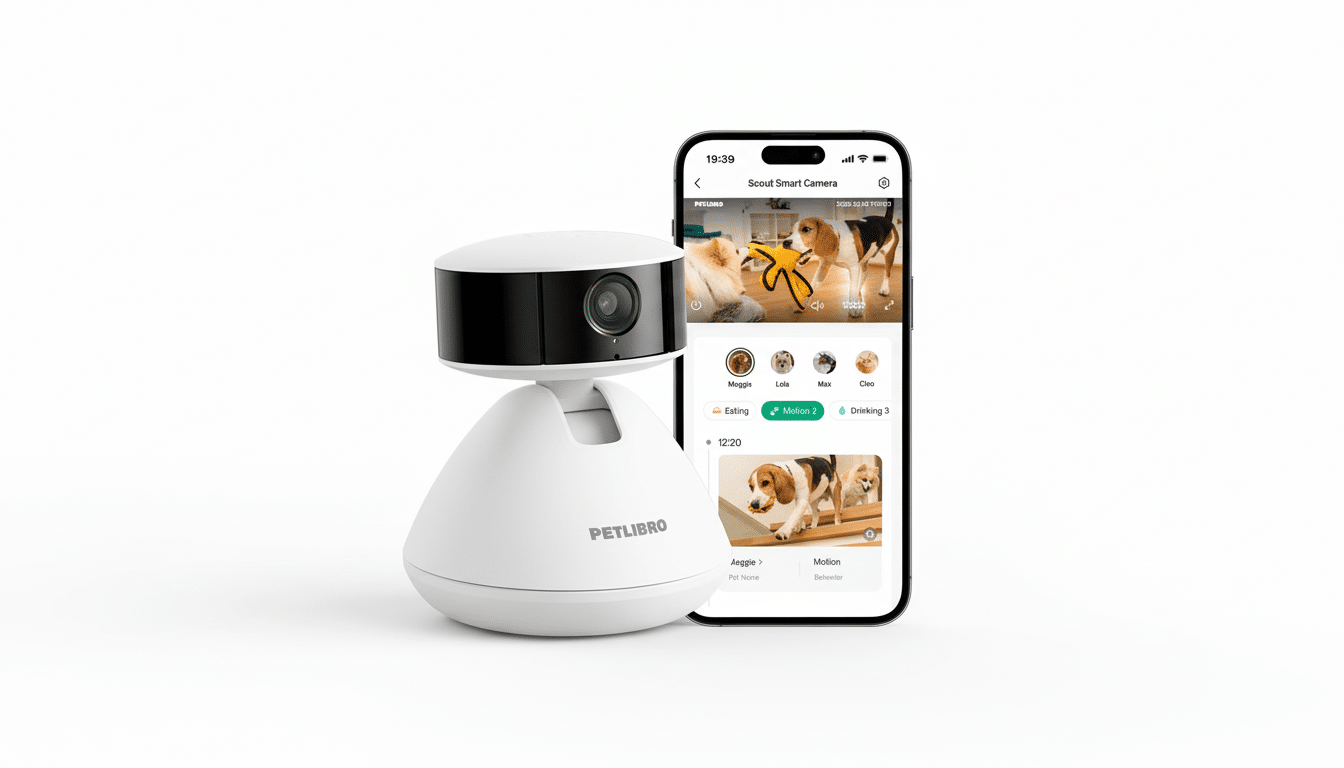
One standout option is Petlibro’s Scout Smart Camera, which does more than just stream video — it interprets what it sees. The pan-tilt camera can identify up to two pets, track movement and tag events such as eating, drinking or using the litter. Two-way audio and a chirping feature aid in remotely deterring bad behavior on the fly, with daily recaps saved to the cloud. The AI features are gated behind subscriptions that cost either $12 or $17 a month, but the results balance out in practical terms: patterns emerge quickly when your camera labels behavior instead of shooting raw footage.
- AI Smart Cameras: Watching, Learning, and Helping Behavior
- GPS Trackers That Truly Help Bring Lost Pets Home Fast
- Healthier Routines Start With Smarter Automated Feeders
- Modern Litter Boxes With Real Health Signals
- Smart Pet Doors for Safer Entry and Weatherproof Security
- What Really Matters When Choosing Modern Pet Gadgets
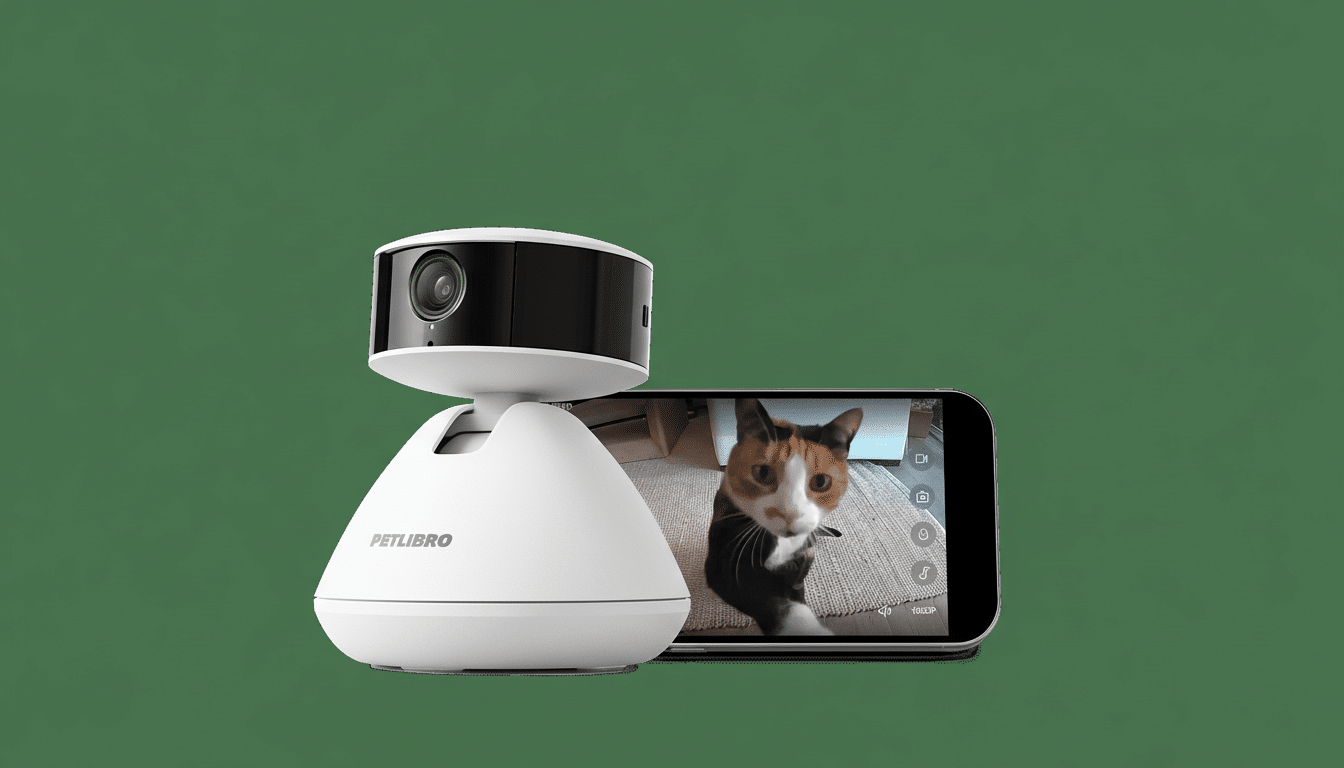
If you’re comparing cameras, make sure to look for pet detection rather than generic motion alerts, as well as local storage options. Consumer Reports has recommended that buyers look for the privacy policies of cameras and trackers, so you should be looking for end-to-end encryption; clear data retention periods; and cloud clips that can be deleted.
GPS Trackers That Truly Help Bring Lost Pets Home Fast
Life360’s new pet tracker relies on the company’s existing location stack to offer specific GPS positioning, geofencing, escape alerts and even an integrated light if you have to find your little disappearing monster in the night.
If your pet runs away, the system can alert nearby Life360 users to look around — a helpful network effect. Plans cost $14.99 for Gold or $24.99 for Platinum to access the complete feature set.
The argument for GPS is compelling: the ASPCA estimates that approximately 15 percent of pet owners dealt with a lost dog or cat over the last five years. A dedicated GPS tag with multi-network support (GPS, cellular and occasionally Wi‑Fi/Bluetooth for indoor assistance) increases recovery chances exponentially. Keep in mind that Bluetooth-only trackers can help with close-range searches, but shouldn’t be your sole solution for a pet given to wandering.
Healthier Routines Start With Smarter Automated Feeders
Many will tell you that portion control and a consistent schedule are what stand between your pet and gradual weight gain. You can get an idea of why automation matters: 61% of cats and 59% of dogs are overweight, according to the Association for Pet Obesity Prevention. Petlibro’s Polar Wet Food Feeder solves a pesky use case: keeping wet food fresh when you’re away. Three cooled compartments can store up to 22.2 ounces — or about 72 hours’ worth of food — and the companion app schedules meal times and sends start-eating alerts. Should the power go out, the unit will keep meals cold for up to 12 hours, and its BPA-free trays are dishwasher-safe.
Whichever feeder you opt for, prefer models with stainless steel or BPA-free bowls, jam detection and a backup battery. App logs of portions and feeding times do more than serve as a time-saver; they’re hard information that you can share with your vet when tweaking diets.
Modern Litter Boxes With Real Health Signals
Automation is cool; health data is cooler. Sealing odors and layering in analytics — even for touchy-feely owners, you know — PetKit’s PuraMax 2 has risen to the top tier of self-cleaning litter boxes. The app tracks entries, the duration of use, cleaning cycles and deodorizing events — even how your cat’s weight trends over time — valuable signals, as more-frequent litter visits can be an early indication of diabetes or kidney disease, according to the Cornell Feline Health Center. Multi-pet households should be looking for per-cat detection and customizable cycle times to reduce false positives.
A pro tip: use unscented, low-dust clumping litter along with smart boxes to keep sensors clean and readings consistent. When using them, think of odor-control sprays as supplementing rather than replacing regular cleaning of your carpet and other items deep down.
Smart Pet Doors for Safer Entry and Weatherproof Security
Standard flaps invite raccoons, wind and worse. The Pawport smart door is designed with security in mind, made of heavy-duty steel and aluminum, with dual deadbolts and a tunnel system to connect interior and exterior doors while sealing out weather — or wildlife. A tracker tag and motion sensing open the door automatically as your pet nears, and an app handles scheduling and voice commands with Alexa, Siri or Google.
In urban and suburban coyote-and-opportunist-scavenger environments, controlled access is not overkill — it’s risk management. Make sure any mechanical pet door has safety sensors to stop when closing and a manual control in case the power goes out.
What Really Matters When Choosing Modern Pet Gadgets
Reliability and ease of use trump gimmicks. Ask three questions:
- Does the device demonstrably improve safety or health?
- What is the data privacy plan, and what are the future subscription fees?
- Can I act on the insights without adding stress to my schedule?
The best pet gadgets today — AI cameras that label behavior, GPS tags with more network support, cooled wet-food feeders, self-cleaning litter boxes with an iPhone app telling you when Mr. Whiskers last went to the bathroom and secure smart doors that actually work — have one thing in common: they translate technology into trust. When a tool offers you less mystery and more signal, your pet can feel that difference long before you reach for the phone.