


In 2025, fitness tech isn’t just counting steps; it’s coaching, correcting, and recovering with you.
The year’s winners, though, are distinguished by using more precise sensors and smarter software as well as longer-lasting batteries — along with a clearer sense of what truly does improve performance. With wearables still among the hottest fitness trends in the American College of Sports Medicine’s annual survey, and more than a quarter of adults globally failing to be adequately active, the top gadgets this year focus on actionable advice rather than gadget gimmicks.
- Wearables That Excel for Serious Training and Endurance
- Recovery Rings and Bands That Actually Dictate Rest
- Smart Strength and Form Coaching You Can Use at Home
- Fitness Apps That Make You Accountable and Consistent
- How We Picked the Winners: Testing and Criteria
- The Bottom Line for 2025: Choose Tools for Your Goals
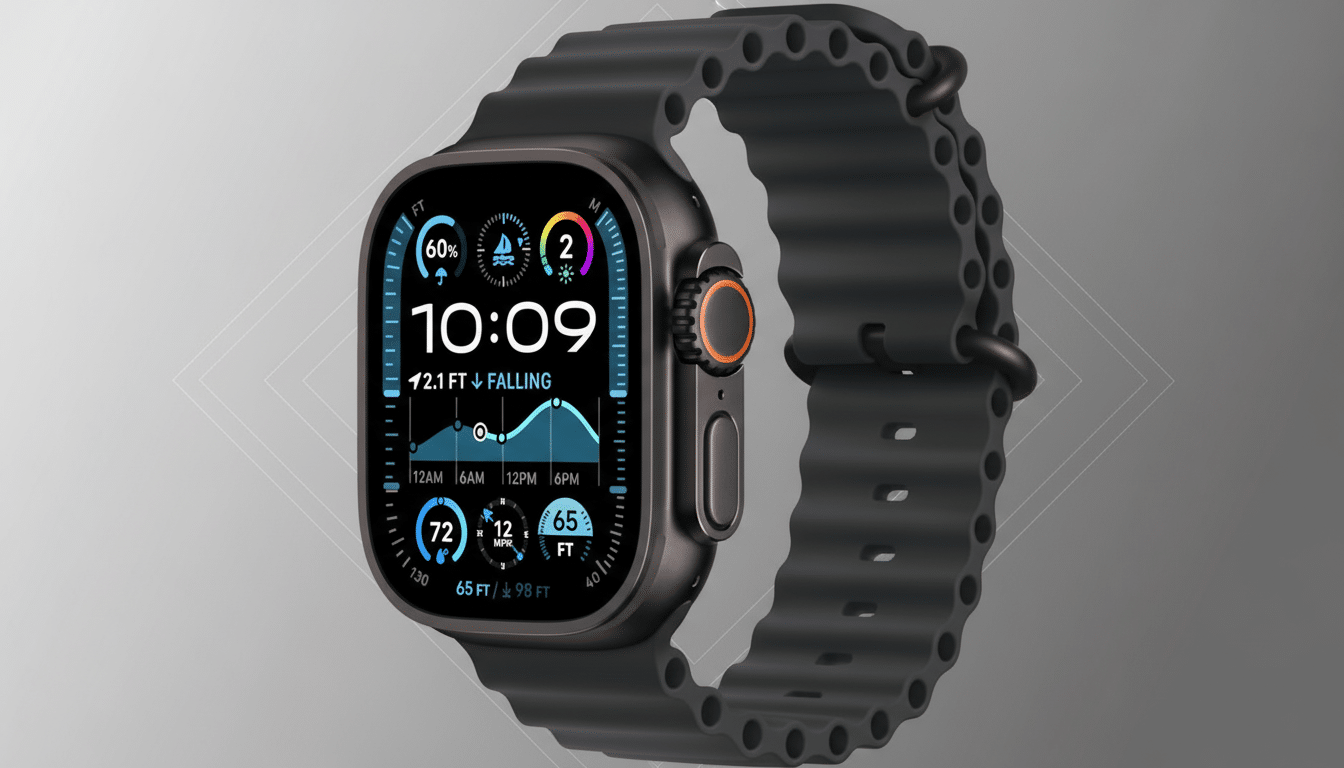
Wearables That Excel for Serious Training and Endurance
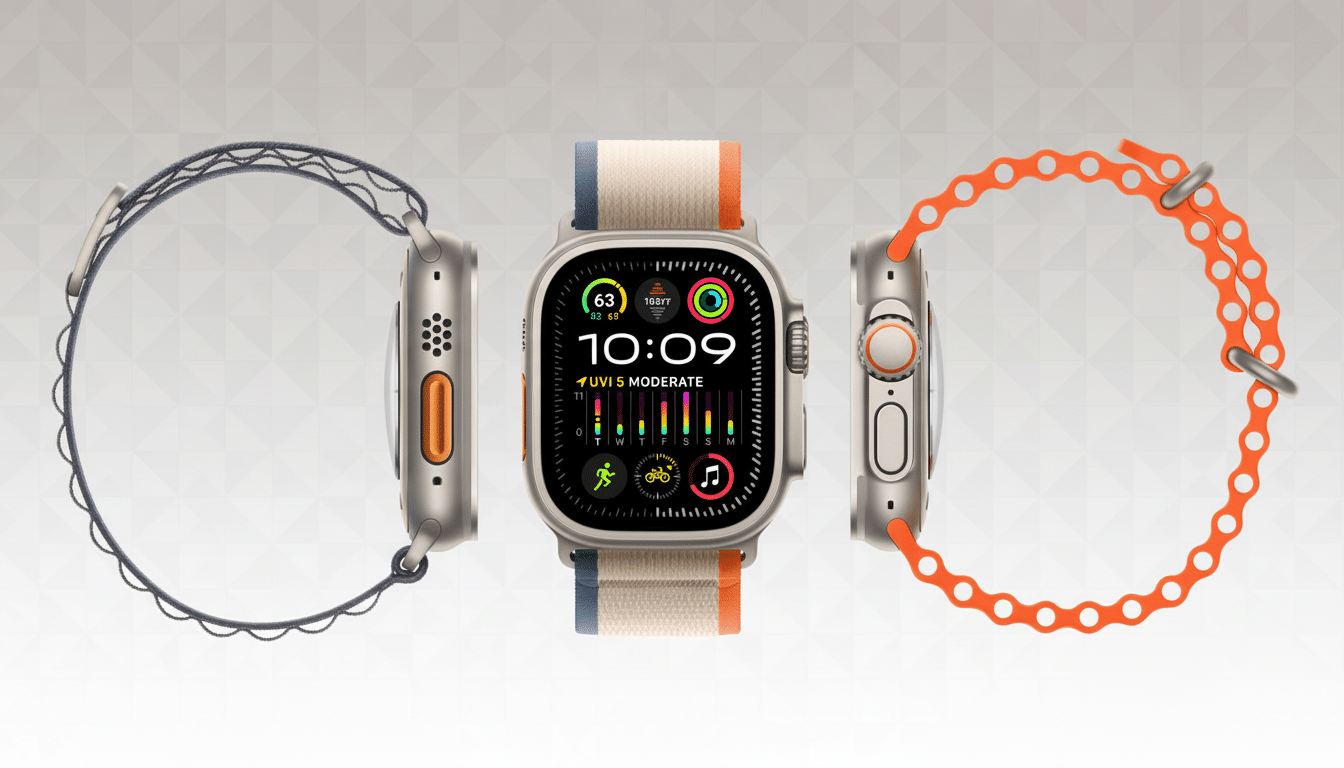
The new Apple Watch Ultra is still the multisport all-rounder to beat for runners, adventure athletes, or those who want robust smartwatch features. Dual-frequency GPS makes a huge difference in “city canyon” drift, wrist-based heart rate stands up to intervals, and safety features like crash detection offer real-world benefits. Combine it with a chest strap for challenging sessions and you get lab-like accuracy without having to make any sacrifices, convenience-wise.
For athletes who prioritize training metrics over apps, Garmin’s top-of-the-line Forerunner and Epix lines still rule. Training readiness combines HRV, sleep, and training load for a better view on when to time hard days, and mapping plus turn-by-turn guidance make long runs or hikes easier. Polar and COROS still serve endurance purists with legitimate VO2 max estimates and running power from the wrist, as well as battery life that’s measured in days, not hours.
Recovery Rings and Bands That Actually Dictate Rest
Recovery science is having a moment, and the right hardware makes it possible. Oura Ring brings sleep staging, HRV, and temperature trends in an unobtrusive form factor; stand-alone sleep labs have found that ring-based devices can approximate major sleep metrics with respectable accuracy when compared against polysomnography. The app’s readiness guidance is conservative, in a good way, nudging you to pull back when you see strain or illness flags pop up.
Whoop’s screenless band has emerged as a favorite for athletes who crave all-day strain and recovery insights without smartwatch interference. Its subscription reveals deep dives into HRV, respiratory rate, and sleep debt, then rewords them as clear daily targets. Whoop’s longitudinal trends are especially useful for teams and coaches to identify overreaching before it sabotages a training block. Both companies have encouraged research collaborations, a good sign for data quality and transparency.
Smart Strength and Form Coaching You Can Use at Home
Strength training tech came of age this year. Tonal and Tempo pair guided programming with real-time form cues using computer vision and force feedback, making it simple to learn tempo and range of motion safely for new players. For more experienced lifters, tools such as Vitruvian’s adaptive resistance platform make overloading the eccentric and microloading without needing every plate in the room a breeze.
If you use free weights, velocity-based training tools like Perch and PUSH Band (likely found in a number of collegiate programs) expose bar speed and power so you can auto-regulate loads. The National Strength and Conditioning Association has been trumpeting the benefits of velocity monitoring for years, as a tool to enhance performance while cutting out junk volume; now it’s available without needing a university budget.
Fitness Apps That Make You Accountable and Consistent
Strava is still the connective tissue of endurance sport. Its Year in Sport reports have plotted over 1 billion activities a year, suggesting that clubs, segments, and goal-setting can prompt consistency. Garmin Connect and Apple Fitness layer on adaptive plans and form videos, while Zwift and Peloton make indoor miles into competitive, data-rich rides that are harder to skip on dark mornings.
Behavioral science backs the nudge. Meta-analyses in publications like the British Journal of Sports Medicine reveal that digital reminders and social accountability meaningfully increase daily activity. The best apps in 2025 respect that evidence: fewer badges for badges’ sake, more clear goals, deload weeks, and progress you can test against your metrics.
How We Picked the Winners: Testing and Criteria
Higher levels of accuracy, battery life, and actionable coaching were non-negotiable. We preferred devices that tested heart rate and GPS against chest straps and measured courses, and we stress-tested in conditions that break wearables: urban canyons, cold-weather intervals, long trail days. Ecosystem matters too. Health data should be able to export cleanly to services like Apple Health or Health Connect, and privacy policies should be comprehensible without a law degree.
Subscriptions were scored on value. If the device is gating basic functionality behind a paywall, the insights gained from its use had better really help with training or recovery. Whoop and Oura qualify for the list because of the readiness and sleep analytics that they can prove out as noticeably informing day-to-day decisions; niche add-ons that simply re-present raw numbers did not.
The Bottom Line for 2025: Choose Tools for Your Goals
Choose the main goal, and then choose a tool to fit the job. If you like the sound of an all-in-one training watch with emergency capabilities, then it’s the Apple Watch Ultra. For metrics and maps of the endurance-first kind, pick a top-end Garmin. And for mastering sleep and recovery, Oura or Whoop. For form coaching and progressive overload, smart strength systems or velocity trackers deliver. The top fitness tech of 2025 doesn’t just quantify your effort — it helps you determine when you should push and when you should pull back, and how to keep showing up tomorrow.