


For families navigating an autism diagnosis, choosing the right therapeutic support can feel overwhelming. Many parents begin by researching options like in-home ABA therapy Chicago families rely on to provide individualized care in a familiar setting. Applied Behavior Analysis (ABA) is widely recognized as an evidence-based intervention for children with autism spectrum disorder (ASD), and delivering that therapy in the home environment offers distinct advantages.
Understanding the benefits of in-home ABA therapy can help parents make informed decisions that align with their child’s developmental needs and daily routines.
- What Is ABA Therapy?
- Why the Home Environment Matters
- Increased Family Involvement
- Individualized Attention
- Improved Generalization of Skills
- Reduced Logistical Stress for Families
- Addressing Challenging Behaviors in Real Time
- Flexibility and Personalization
- Building Confidence and Independence
- Creating a Collaborative Support System
- Long-Term Impact of Early Intervention
- Supporting Growth Where It Matters Most
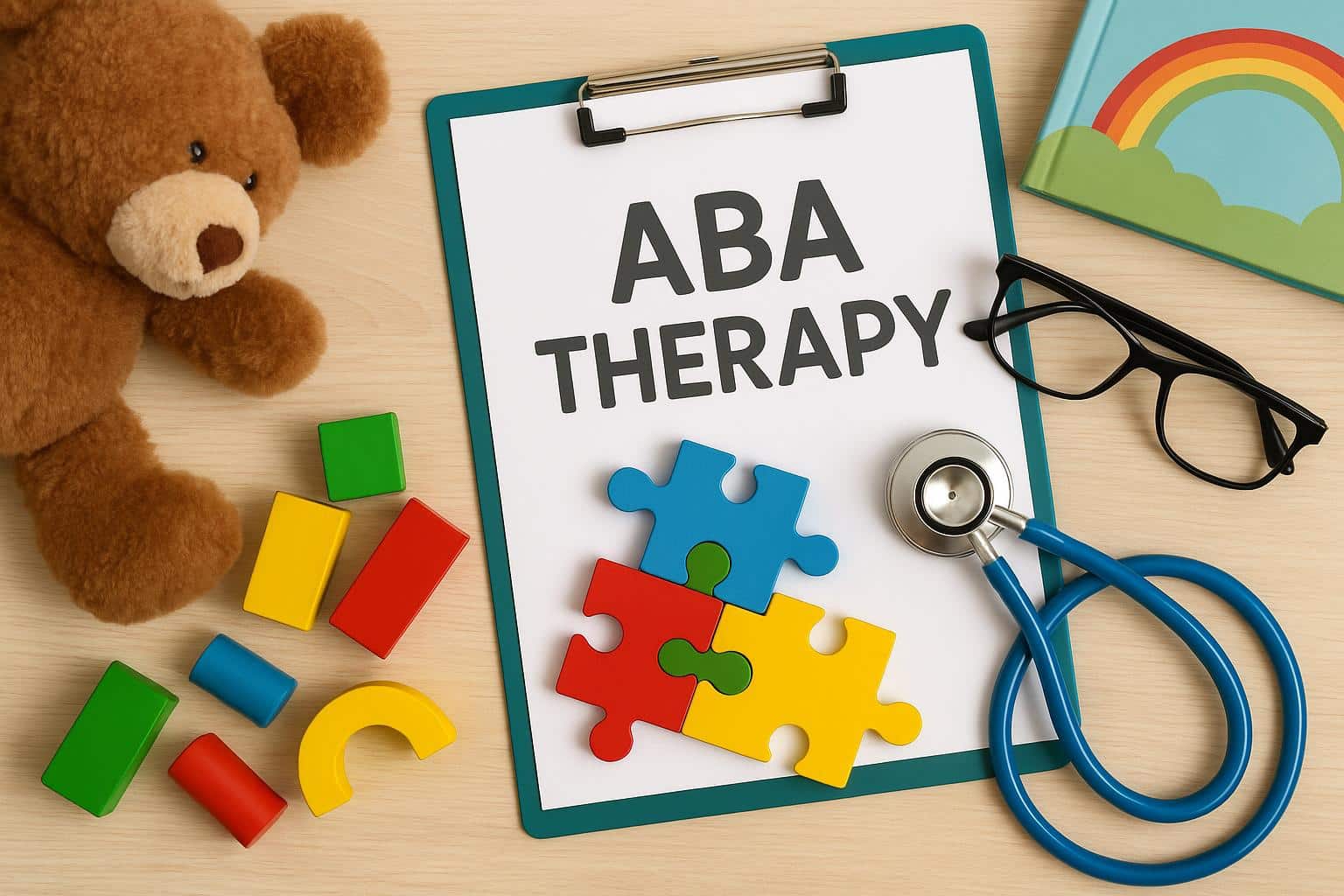
What Is ABA Therapy?
Applied Behavior Analysis is a therapeutic approach that focuses on improving specific behaviors such as communication, social skills, daily living skills, and adaptive functioning. ABA therapy uses structured techniques to reinforce positive behaviors and reduce behaviors that may interfere with learning or social development.
Research consistently supports ABA as one of the most effective interventions for children with autism. According to the National Institute of Mental Health, early and structured behavioral interventions can significantly improve communication skills, social interaction, and overall functioning in children with autism spectrum disorder.
ABA programs are highly individualized and data-driven, allowing therapists to track progress and adjust strategies over time.
Why the Home Environment Matters
One of the primary advantages of in-home ABA therapy is context. Children often learn best in environments where they feel safe and comfortable. The home setting allows therapists to work directly within the child’s natural routine.
Benefits of the home environment include:
- Reduced anxiety compared to unfamiliar clinical settings
- Opportunities to practice real-life skills in real-time
- Greater generalization of learned behaviors
- Immediate involvement of caregivers
Because therapy takes place where daily challenges occur, children can practice skills like communication, transitions, and self-regulation in meaningful, practical contexts.
Increased Family Involvement
Parent and caregiver involvement is a critical component of successful ABA therapy. In-home services make collaboration more accessible and consistent.
Therapists can:
- Model strategies for parents
- Provide real-time feedback
- Offer guidance during challenging behaviors
- Teach reinforcement techniques
When caregivers understand how to implement behavioral strategies consistently, progress often accelerates. This collaboration also empowers families to feel more confident in supporting their child’s development beyond therapy hours.
Individualized Attention
In-home ABA therapy often allows for one-on-one sessions tailored to the child’s specific goals. Unlike group settings, individualized sessions minimize distractions and allow therapists to focus entirely on personalized objectives.
Treatment plans may target:
- Functional communication
- Social interaction
- Daily living skills
- Academic readiness
- Emotional regulation
Because ABA is data-driven, therapists continuously evaluate which strategies are effective and adjust accordingly.
Improved Generalization of Skills
Generalization refers to the ability to apply learned skills across different settings and situations. A child may successfully demonstrate a skill in a clinic but struggle to replicate it at home.
In-home ABA addresses this challenge directly. By practicing skills within the natural home environment, children are more likely to:
- Use communication skills during family interactions
- Apply coping strategies during real-life transitions
- Follow routines consistently
Learning within the home promotes smoother integration of new behaviors into everyday life.
Reduced Logistical Stress for Families
Transportation and scheduling can be significant stressors for families managing multiple appointments. In-home therapy eliminates travel time and reduces disruptions to daily routines.
This convenience can:
- Improve consistency of sessions
- Decrease missed appointments
- Reduce caregiver burnout
- Allow siblings to remain in familiar routines
Consistency is essential in behavioral therapy, and reducing logistical barriers helps maintain regular progress.
Addressing Challenging Behaviors in Real Time
In-home ABA allows therapists to observe behaviors within the child’s natural environment. This provides valuable insight into triggers and reinforcement patterns that may not appear in a clinical setting.
For example:
- Tantrums during transitions
- Mealtime challenges
- Difficulty with bedtime routines
- Sibling conflicts
By addressing these behaviors where they occur, therapists can implement targeted interventions that directly improve family dynamics.
Flexibility and Personalization
Every child with autism presents unique strengths and challenges. In-home ABA therapy allows for flexible scheduling and programming tailored to the family’s needs.
Therapists can adjust session length, frequency, and focus areas based on progress and evolving goals. This adaptability enhances engagement and ensures that therapy remains aligned with developmental milestones.
Building Confidence and Independence
ABA therapy aims not only to reduce problematic behaviors but also to build skills that foster independence.
In-home services can support:
- Self-care routines
- Homework completion
- Household participation
- Emotional regulation strategies
As children gain confidence in mastering daily tasks within their home environment, their sense of independence grows.
Creating a Collaborative Support System
Successful autism intervention often involves collaboration between therapists, parents, teachers, and other providers. In-home ABA creates opportunities for consistent communication among caregivers and professionals.
Therapists can:
- Coordinate goals with school-based supports
- Share data with other providers
- Adjust plans based on interdisciplinary feedback
This coordinated approach strengthens overall developmental progress.
Long-Term Impact of Early Intervention
Early and consistent intervention has been shown to improve long-term outcomes for children with autism. Structured behavioral support during formative years can positively influence communication, social engagement, and adaptive functioning.
When therapy is delivered in a familiar environment with active family participation, children are more likely to develop sustainable skills that carry into school and community settings.
Supporting Growth Where It Matters Most
In-home ABA therapy offers families a practical and effective approach to autism intervention. By delivering evidence-based strategies directly within the child’s natural environment, therapy becomes more relevant, personalized, and sustainable.
For families seeking structured behavioral support that integrates seamlessly into daily life, in-home services provide a meaningful path toward developmental growth, improved communication, and greater independence.
When therapy meets children where they are — both physically and developmentally — progress often becomes more consistent, collaborative, and lasting.