


Creative hobbies have experienced a resurgence in recent years, not because they promise quick results, but because they offer something increasingly difficult to find in everyday life: uninterrupted focus. Whether someone enjoys collecting, painting, model building, or handmade crafts, these hobbies encourage patience, attention to detail, and a sense of accomplishment that develops over time.
For beginners, the number of options can feel overwhelming. The good news is that most creative hobbies share the same foundation. They reward curiosity, allow skills to develop gradually, and provide satisfaction through the process itself rather than the finished result. Starting small and enjoying the learning experience is often far more important than mastering every technique immediately.
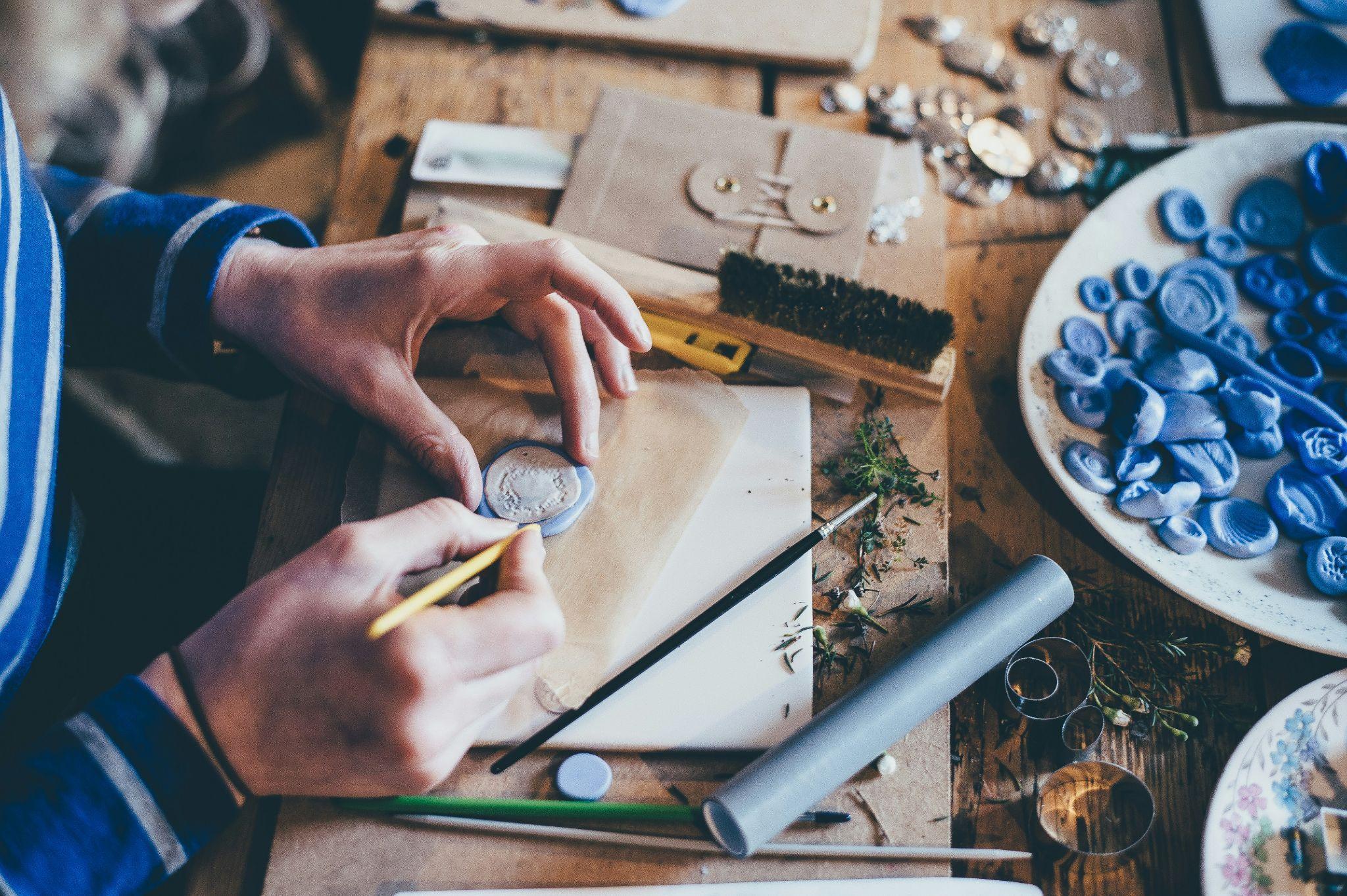
Every Collection Begins With Curiosity
People begin collecting for many different reasons. Some appreciate history, others enjoy craftsmanship, while many simply find satisfaction in discovering pieces that reflect their personal interests. Whether the focus is books, coins, ceramics, artwork, or tabletop miniatures, every collection gradually tells a story about the person building it.
Miniature painting is one hobby where collecting and creativity naturally come together. Building a collection often leads to learning new artistic skills as each figure becomes an opportunity to experiment with colour, texture, and finishing techniques. Resources available through Danireon demonstrate how painting methods, brush control, layering, and careful preparation become part of the creative process, showing that the enjoyment comes as much from developing the work as from displaying the finished miniature.
Many experienced hobbyists also recommend resisting the urge to collect too much too quickly. A smaller collection that receives genuine attention often provides more satisfaction than shelves filled with unfinished projects.
Craftsmanship Makes Every Hobby More Rewarding
One of the greatest benefits of creative hobbies is learning to appreciate craftsmanship. Spending time making something by hand naturally changes the way people view quality, materials, and design in everyday life.
This appreciation often extends well beyond the hobby itself. Handmade ceramics, artisan textiles, handcrafted stationery, and decorative home pieces frequently become more meaningful because the skill involved is easier to recognize after spending time creating something personally. The same perspective explains why thoughtfully made Juliska Gifts appeal to people who value craftsmanship, distinctive design, and objects intended to be enjoyed for years rather than treated as temporary purchases.
Creative hobbies encourage people to notice details that might otherwise go unnoticed, making beautifully made objects feel more personal and memorable.
Learning Happens One Project at a Time
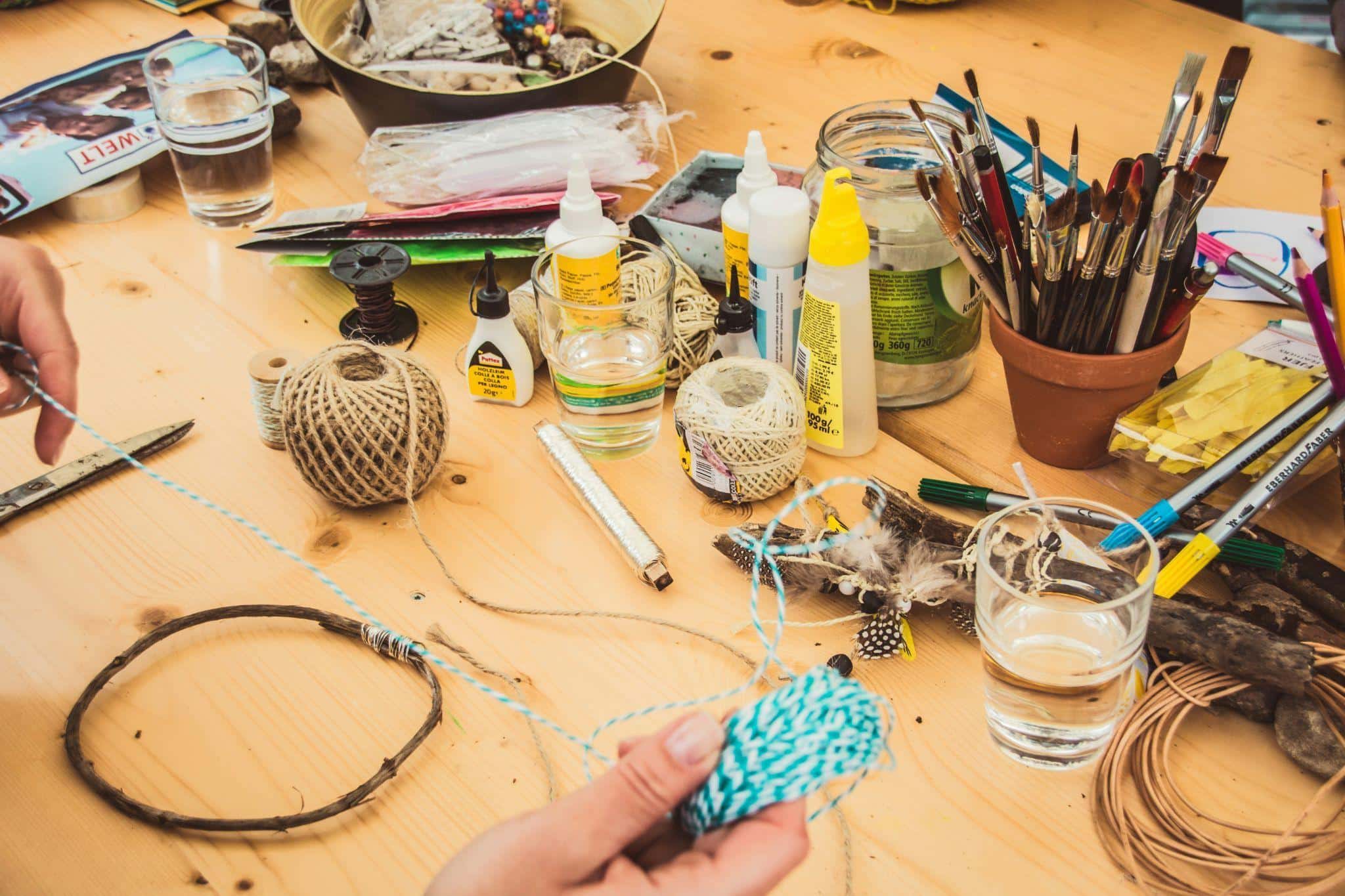
Photo by Jasmin Schreiber on Unsplash
Beginners often assume they need expensive equipment or advanced knowledge before they can enjoy a hobby. In reality, most creative pursuits develop through repetition rather than perfection.
The first painted miniature may have uneven highlights. A handmade project might include visible mistakes. Early attempts at woodworking, knitting, or calligraphy rarely match the work of experienced creators. Yet those early projects become valuable because they demonstrate progress that would never happen without simply beginning.
Breaking larger goals into smaller projects also makes hobbies feel more approachable. Completing one figure, one sketch, or one handcrafted object creates confidence while providing practical experience that naturally carries into future work.
Progress becomes easier to appreciate when success is measured by improvement instead of comparison.
Creative Communities Help Skills Grow
Although many creative hobbies can be enjoyed alone, communities often become one of their most rewarding aspects. Local workshops, hobby clubs, exhibitions, and online groups allow beginners to exchange ideas, ask questions, and learn from more experienced enthusiasts.
Constructive feedback frequently accelerates learning because it highlights techniques that might otherwise take years to discover independently. Seeing different artistic styles also encourages experimentation, reminding hobbyists that there is rarely a single correct way to approach a creative project.
Communities also provide motivation. Sharing completed work, discussing challenges, and celebrating progress together makes hobbies feel more engaging while encouraging continued improvement over time.
The Greatest Reward Is the Creative Process
Collecting and crafting rarely become lifelong hobbies because of the finished products alone. They endure because they create opportunities to learn, concentrate, solve problems, and enjoy meaningful progress at a comfortable pace.
Each completed project represents time invested, skills developed, and patience rewarded. Collections evolve gradually, techniques become more refined, and confidence grows naturally through continued practice rather than sudden breakthroughs.
Ultimately, creative hobbies remind people that fulfillment is often found in the process itself. Whether someone is painting a miniature, building a carefully chosen collection, or creating something entirely by hand, the experience offers a welcome opportunity to slow down, focus on the present, and appreciate the satisfaction that comes from making something with care.