


Steak and wine pairing depends on balance, texture, and flavor intensity. The cut, cooking temperature, seasoning, sauce, and side dishes all affect the choice. A richly marbled ribeye can handle firm tannins, while a lean filet needs greater restraint. Acidity refreshes the palate, fruit softens savory flavors, and proper serving temperature preserves aroma. With those principles in mind, diners can select a bottle that supports the meal rather than competing with it.
Start With the Cut
A skilled dining room begins with the plate, not a fixed list of red wines. Guests reviewing a steakhouse in St. Louis can expect thoughtful guidance based on marbling, preparation, sauce, and garnish. The same bottle may flatter one cut yet overwhelm another. Matching flavor weight creates balance, allowing beef, wine, and accompaniments to remain distinct through every course.
Ribeye Needs Structure
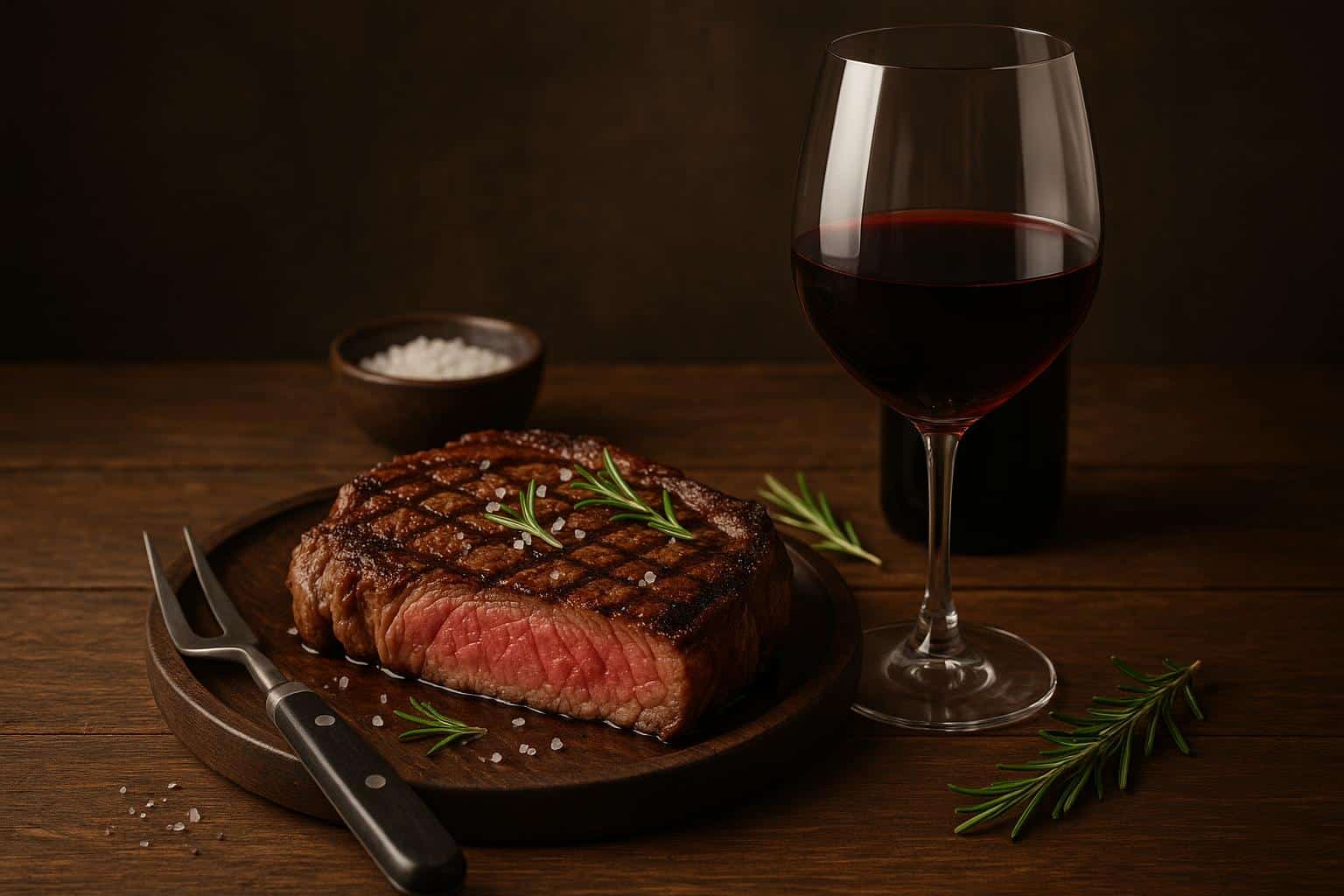
Ribeye carries abundant intramuscular fat, producing a rich texture and concentrated beef flavor. Cabernet Sauvignon provides firm tannins that bind with that fat and refresh the palate. Merlot offers a rounder alternative for diners who prefer a gentler grip. Grilled crust, black pepper, or smoked salt can support a bottle with dark fruit and substantial body.
Filet Mignon Favors Finesse
Filet mignon is exceptionally tender, though its flavor remains comparatively restrained. Powerful tannins may dominate the meat, especially with light seasoning. Pinot Noir brings red-fruit acidity, subtle earthiness, and a silky finish without excessive weight. Cabernet Franc also performs well beside herbs, mushrooms, or a restrained pan sauce. Delicate beef needs precision more than force.
Strip Steak Meets Bold Reds
The New York strip has a firmer chew and a pronounced savory profile. Cabernet Sauvignon, Malbec, and Syrah offer enough concentration for this substantial cut. Malbec contributes plum, cocoa, and rounded tannins. Syrah introduces pepper, violet, and savory spice. Cabernet suits charred edges particularly well, although excessive oak can mask the steak’s natural flavor.
Cooking Level Changes the Match
Rare steak presents a soft texture, warm center, and clean beef character. Medium-rare preparations accommodate fuller reds because their juiciness offsets tannic grip. Medium and well-done portions have firmer fibers, making fruit-forward wines more comfortable. High tannin may accentuate dryness in thoroughly cooked meat. Temperature matters as well, since cooler beef can sharpen perceived acidity.
Sauces Set the Direction
Peppercorn sauce pairs naturally with Syrah or Cabernet Sauvignon, whose spice and tannin can match its intensity. Béarnaise benefits from Sauvignon Blanc or Pinot Noir, both of which cut through butter while preserving herbal detail. Mushroom sauces favor earthy reds, including Pinot Noir and Nebbiolo. Sweet glazes need ripe fruit and moderate acidity, rather than austere structure.
Sides Deserve Attention
A steak rarely arrives alone, and side dishes can alter the ideal bottle. Creamed spinach or loaded potatoes increase richness, making acidity especially useful. Roasted vegetables support earthy reds, while a sharp salad may favor Sauvignon Blanc. The strongest pairing considers the complete plate. Focusing solely on the protein can leave the wine mismatched by the final bite.
White Wine Can Work
Red wine remains traditional, yet white varieties can provide valuable contrast. Oaked Chardonnay complements buttery sauces and beef finished with cream. Dry Riesling brings acidity to salty sides and rich seasoning. Sparkling wine cleanses the palate after fried starters or heavy garnishes. A white selection works best when its freshness offsets richness instead of attempting to imitate a red.
Temperature Matters
Serving temperature changes both aroma and texture. Warm red wine may taste alcoholic, heavy, or dull. Excessive chilling can make tannins seem harder and mute fragrance. Light-bodied reds often benefit from a brief refrigerator rest, while fuller bottles should remain cool rather than cold. White wines need enough chill for freshness without suppressing their aromatic character.
Tannins Need Fat
Tannins create a drying sensation that becomes smoother beside fat and protein. That reaction explains Cabernet Sauvignon’s affinity for heavily marbled beef. Lean cuts contain less fat to soften a firm finish, so varieties with moderate tannin usually perform better. Acidity serves another purpose, lifting rich flavors and clearing the mouth between bites.
Seasoning Guides the Bottle
Salt can make fruit taste more vivid, and tannins feel less severe. Charred crust adds smoky notes that suit ripe reds with toasted accents. Fresh herbs favor wines with lively acidity and aromatic lift. Garlic, pepper, and intense spice rubs require enough concentration to remain present. Seasoning should influence the final decision as much as the cut itself.
Conclusion
A reliable steak pairing begins with observation. Diners should assess marbling, tenderness, cooking level, seasoning, sauce, and sides before choosing a bottle. Structured reds suit fatty cuts, softer varieties protect lean beef, and bright whites offer contrast when richness dominates. Serving temperature also deserves attention. The finest match creates balance without erasing character, leaving both the meal and the wine clear, composed, and satisfying through the final sip.