


Looking for a great free Android game that won’t rip you off or bombard you with ads? A faithful mobile recreation of 3D Pinball: Space Cadet — the table most of us first played on Windows — has quietly turned into one of the very best free downloads for Android. It’s a lean, ad-free app that still manages to be more engaging on my phone than it was in the days of a beige desktop tower.
Why this 90s pinball remains futuristic on mobile
Space Cadet wasn’t just filler on ancient PCs; it was an elegantly tuned physics toy. The table is designed to channel newcomers toward quick victories while rewarding careful shot-making — a development sweet spot for touchscreens. The loop-ramp flow, risk-reward outlanes, and mission ladders transform short sessions into “one more run” marathons that don’t require tutorials or a 20-minute onboarding.
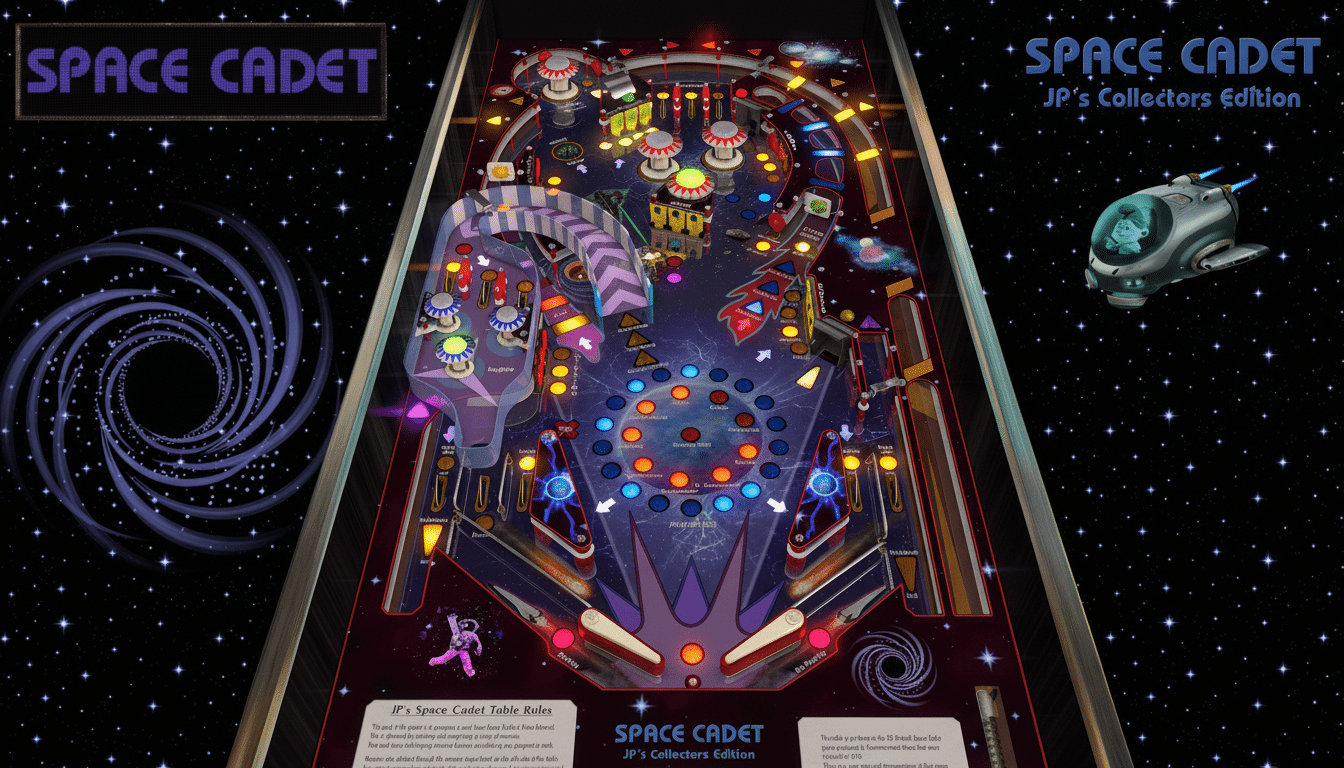
There are depths as well to that arcadey sheen. Shoot the right sequences of lights, begin a mission, and now you’re routing: cradle the ball on the flipper, take a beat, and snap a ramp to advance rank and the bonuses available. That rhythm is why the game continues to hook. It’s easy to read quickly, but it rewards timing and accuracy, and the patience one must bring to any pinball game — the same essentials that keep analog pinball tables busy in bars.
It may help, too, that nostalgia is in full bloom. Tracking companies like Newzoo have said that mobile spending now represents about half of global games revenue; in a market saturated with sprawling, monetized titles, a slender score-chaser looks distinct. Space Cadet is the antithesis of the grind — it’s raw muscle memory and physics, no strings attached.
What the Android port gets right and why it works
The control is intuitive: tap right or left to activate the flipper, and hold it down to shoot with as much pull as you prefer.
It’s responsive, with no discernible input lag, so traps, drop catches, and controlled releases are intentional rather than lucky. That fidelity is meaningful because a millisecond separates threading the ramp and bricking a shot back into the drain.
Equally significant, the port doesn’t stretch the screen to fill modern displays — retaining the original aspect ratio. You get thin black bars on the sides of the screen, but you also get shot geometry that moves like you remember. And the classic bleeps, bloops, and melodic stingers remain as well; that soundscape is not just nostalgic flavor but an audio language that signals live decisions in real time.
The package is small — in megabytes, not gigabytes — and it includes support for Google Play Games leaderboards. Ad-free, no in-app purchases, and no internet required to play solo. It’s a reminder that polish and maintenance can trump bells and whistles.
Tricks to dominate the leaderboard and boost scores
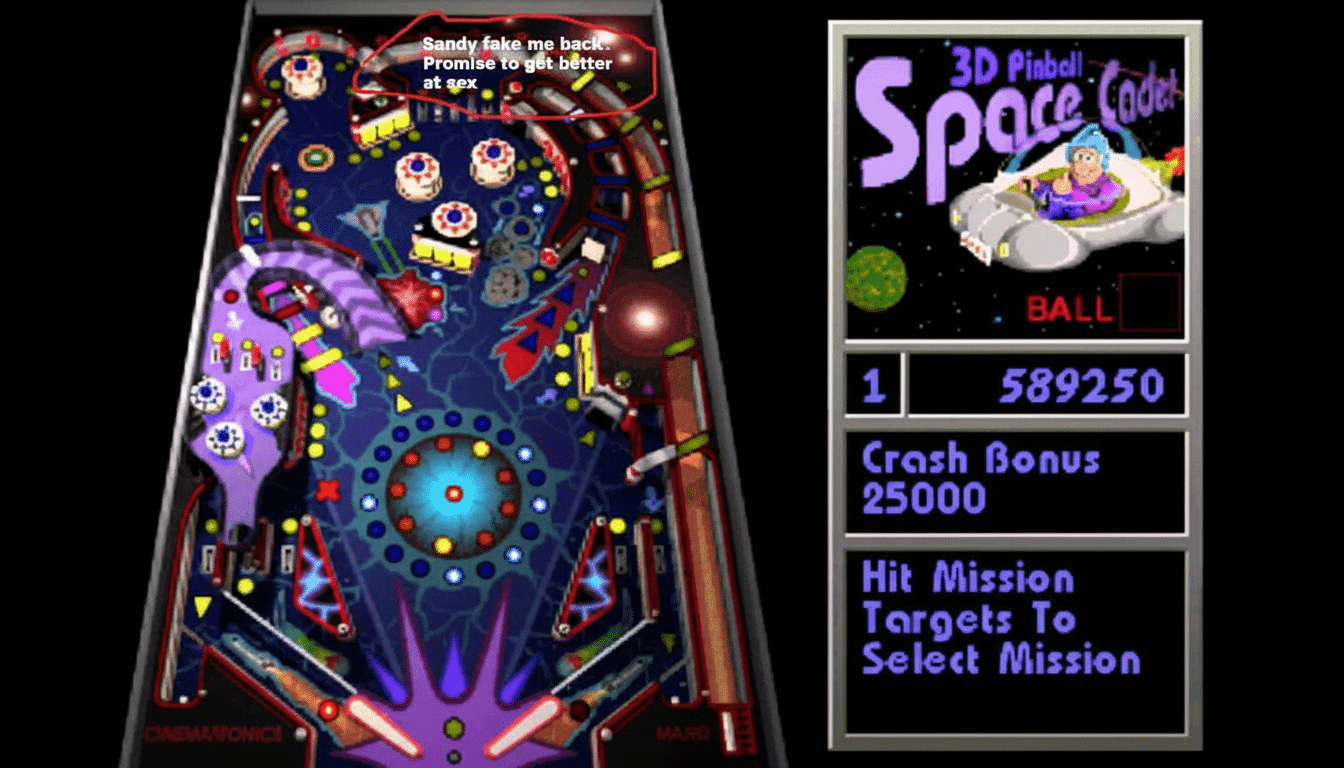
Master the plunge. A soft launch gives you a manageable lane for safer setups, and a “full send” slams early targets to light features. Once you have control, aim to start missions by shooting the main ramp while it’s lit. Completing missions jacks up your score and frequently rewards you with ball saves or extra balls — the single most important factor in multi-million runs.
Use flipper discipline. Let the ball roll down to the bottom of the flipper for height when you need a big jump, or pass a shot to the tip if quick angle changes are necessary. And if a ball’s rolling toward an outlane, a well-placed but opposite flipper tap can give it enough nudge to move the momentum back inward. Oh, and when the chaos erupts at the top of the table, don’t follow every bounce; trap, breathe, and then aim. Leaderboard hitters are slower than you think.
Start small: even if you can only break even at a few million per ball, try for mission chains instead. The more consistent you become, the more exponential that growth will start to feel — ranks climb, multipliers stack together, and all of a sudden one decent ball run can outstrip those three-ball scores from the old days.
History of Space Cadet and how to safely get it
Space Cadet was originally a segment of Full Tilt! Pinball, the pinball game from Maxis in the mid-90s. Microsoft then packaged the Space Cadet table with various Windows editions, and it became a household name. Fun trivia for the purists: ex-Microsoft engineer Raymond Chen has said that the game never made it to later versions of Windows because a physics bug was revealed as it was being ported to 64‑bit — more evidence that its feel wasn’t an accident but rather a result of careful simulation.
Today’s Android version is a community-maintained port of that codebase. It’s not in Google Play at the time of writing, but you can get it as a free APK direct from the developer. If you are going to sideload, do so safely: use only encrypted connections to domain names you trust, check signatures where possible, and allow installation from unknown sources only for the installer app you have in mind.
Bottom line: if you’d like a free Android game that actually respects your time and your memory of how games should be, this 90s pinball gem is the download to beat. Immediately, yes; harder than you remember, yes; as satisfying — finally stringing missions together! — as it was the day you first discovered it tucked inside Windows.