


A new reader poll has revealed a resounding victor from the lesser-known Pixel Camera app tools — Framing Hints and Grid Overlays in first place. The composition aids won easily with 33 percent of the vote — and with a lot more votes, by percentage, than the competition elsewhere in this week’s contest — which confirms what we already knew: even on a famously point-and-shoot-friendly phone, people still appreciate help getting the perfect shot.
Locked Focus came in second, at 21%, with Motion Photo settings close behind, at 12%, and the ability to turn off selfie mirroring trailing at 11%.
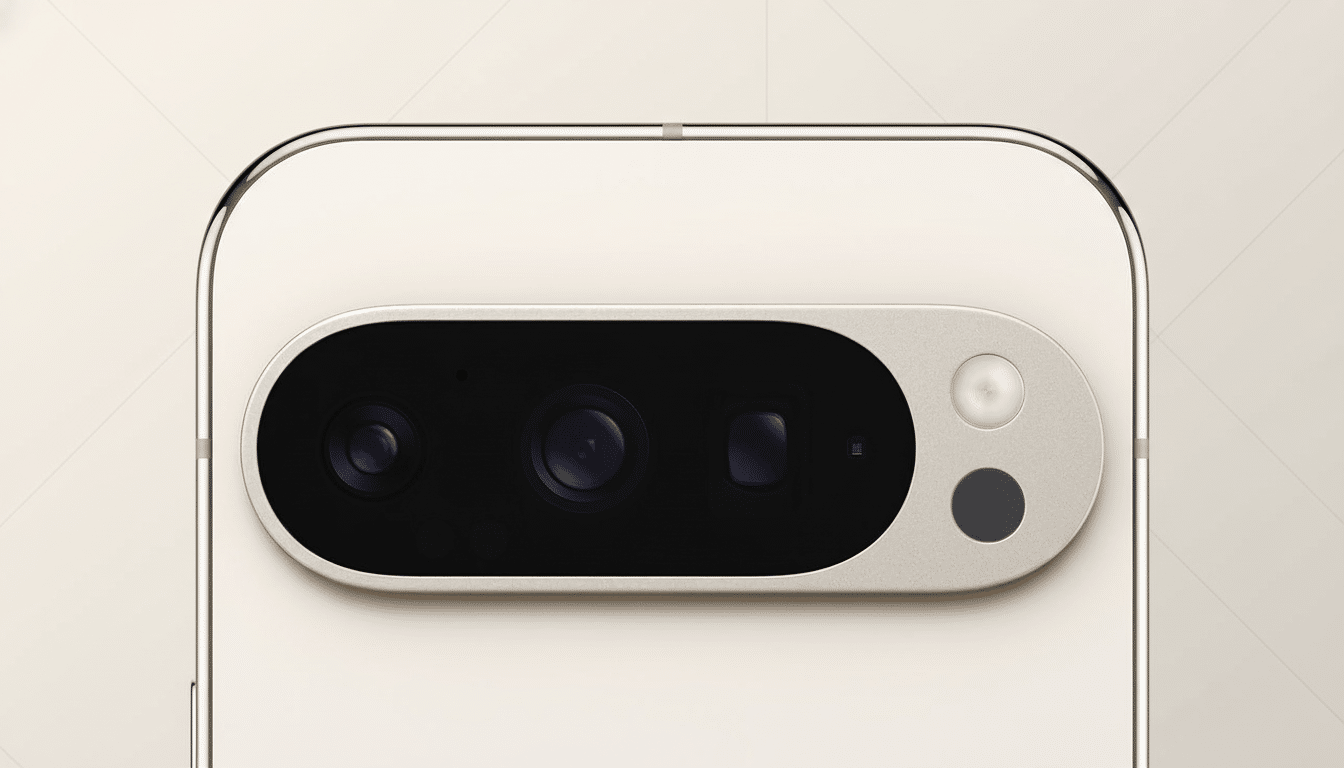
- Framing Hints and Grid Overlays — 33%
- Locked Focus — 21%
- Motion Photo settings — 12%
- Turn off selfie mirroring — 11%
- Quick access controls — 10%
- Volume key media action — 6%
- Storage Saver — 6%
- Other — 1%
Just 1% selected “Other” as the option, which means the poll probably picked up on the most notable hidden perks Pixel owners are thinking about.
The Leader of the Pack: Framing Tools Win the Poll
Grids and hints are sneakily strong. The rule-of-thirds grid, for example, facilitates anchoring horizons and subjects in place, whereas level indicators and gentle nudges to tilt up or down decrease the “fix it later” time in post-production. On phones where computational photography takes exposure and detail out of your hands, composition is the principal means by which you can get that bit more creative – hence 33% of people said they valued these guides.
The company’s own camera documentation mentions how framing hints can inform changes that improve the composition of, for example, groups, landscapes and selfies. It’s an accessibility win, too: visual prompts complement voice guidance for users who depend on assistive technologies. For the everyday shooter, the gain is simple: fewer crooked frames and more purposeful photos right from the shutter.
Focus Control Still Matters for Pixel Photographers
For Locked Focus, the 21 percent indication could be a hankering for control in tricky scenes. Tap-and-hold to lock autofocus and autoexposure stop the camera hunting when either you or your subject moves, or when lighting changes (a backlit portrait), a streaking pet disturbs your composition, and so on (macro shots in damped-down light).
But even as the features on Pixel models add more intelligent exposure and, on newer devices, more fine-grained control over speed and sensitivity of the AF/AE lock, AF/AE lock remains a fast, physical method for overriding the algorithm. Street photographers and parents understand the value of pre-setting focus once and confidently snapping through a moment.
Why Motion Photos and Selfie Tweaks Lag Behind
12 percent went to Motion Photo settings, indicating that users liked the option but didn’t necessarily want more frames. Motion is cool for capturing a moment with something that moves or action, but it adds to file size and can be problematic when sharing on platforms that will only show the still. That tradeoff does much to account for its middle-of-the-pack placement.
Toggling selfie mirroring at 11% is a testament to social sharing realities.
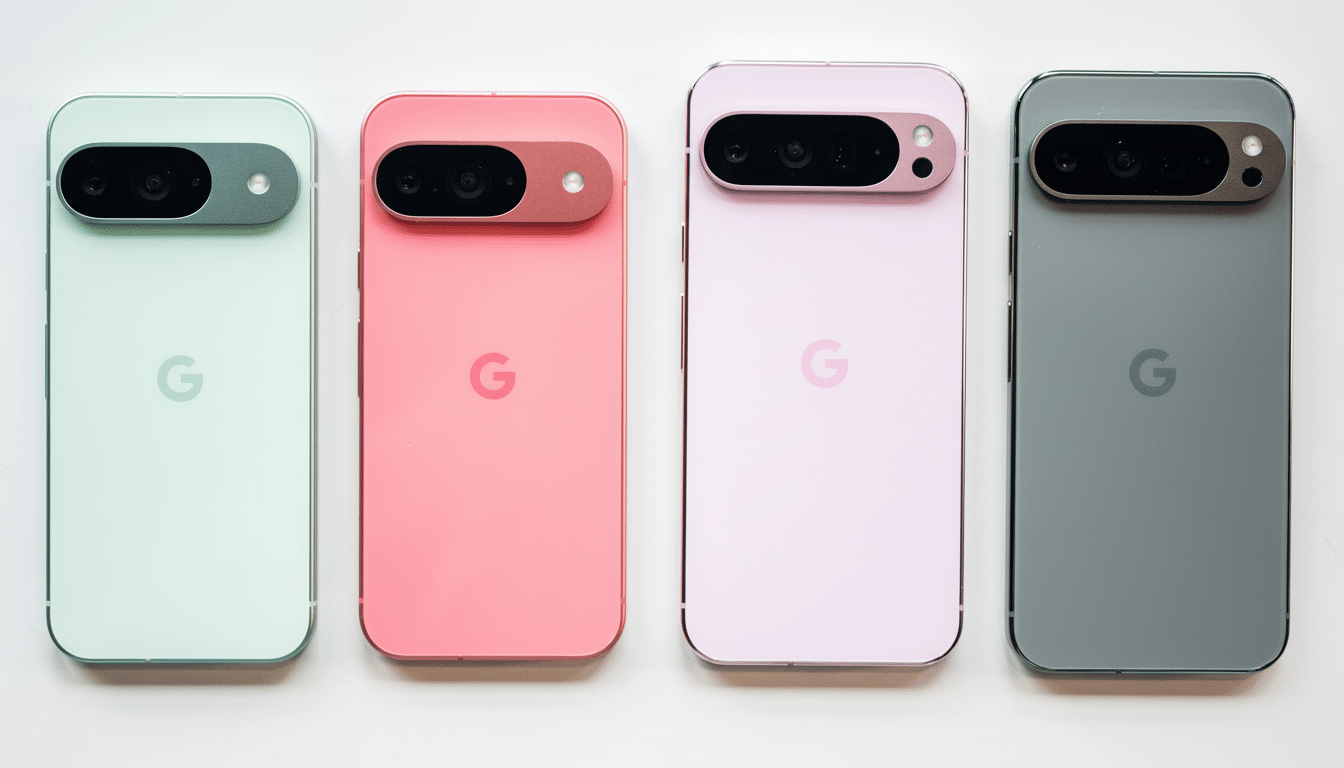
Most prefer their selfie to resemble how everyone else sees them and not the preview image that is mirrored. Designers and vintage aficionados working with text that’s supposed to be readable on merchandise, signs or as backdrops frequently turn off this setting so the end image makes sense to read.
Shortcuts and Storage Tradeoffs: Speed vs File Size
Quick access controls at 10% and volume key action at 6% suggest that convenience tweaks count but are not as persuasive as tools that shape the final image.
Double-pressing the power button, employing the Quick Tap or mapping the volume key to shutter or zoom will allow you to shoot faster, but none of them alters the look of a photo.
Storage Saver was also rewarded a 6% nod to utility. The mode trims the file sizes — typically by applying more efficient formats or turning certain extras down a notch, so you can shoot for longer without having to juggle space. It can be a smart trade-off for travelers or anyone on limited storage, freeing up disk space without a dramatic drop in quality.
What the Results Say About Pixel Shooters
The findings suggest a clear preference: composition and meticulous control are worth more to Pixel owners than shortcuts. That matches the way most of the broader photography world thinks about it — exposure and detail can be finessed mathematically, but good framing and careful focus are decisions that create an image.
For anyone hoping to step up their Pixel photos, start where the voters did. Turn on framing hints and work with Locked Focus in difficult light. Per Google Camera Help and interviews with professional photographers, these simple habits are likely to reap richer rewards than any single filter or mode — they also gear you up to maximize your use of the Pixel’s computational smarts.
The takeaway is a reassuring one: hidden settings don’t have to be obscure toggles. They’re useful tools that can help users create more purposeful images, even in a camera app designed to keep things simple. And as the poll itself reveals, the community knows which ones are worth surfacing.