


Tesla is implementing new cleaning fees for its fledgling robotaxi service, charging $150 for “severe” messes that require professional car cleaning and $50 for “moderate” messes like food spills or stains. The policy, first reported by the long-watched Tesla observer Sawyer Merritt and noted in Tesla’s rider rules, is soft-launching with the carmaker’s autonomous pilot in Austin as it codifies what happens when a ride goes awry.
How Tesla’s robotaxi cleaning fees are assessed
The Tesla method instead relies on a two-tier system. More moderate incidents — the dropped takeout, the tracked-in mud, light marks on upholstery — will prompt a $50 add-on to the fare. Extreme events, which Tesla calls bio-waste or evidence of smoking incidents, have a $150 charge that’s intended to recoup some of the cost of deeper cleaning, ozone treatment, and downtime. Severity will be evaluated after a trip, the company says; it will then inform riders by email and issue an updated receipt in the Robotaxi app’s Ride History. If they feel the charge was incorrectly assessed, riders can call customer support to contest a ruling.
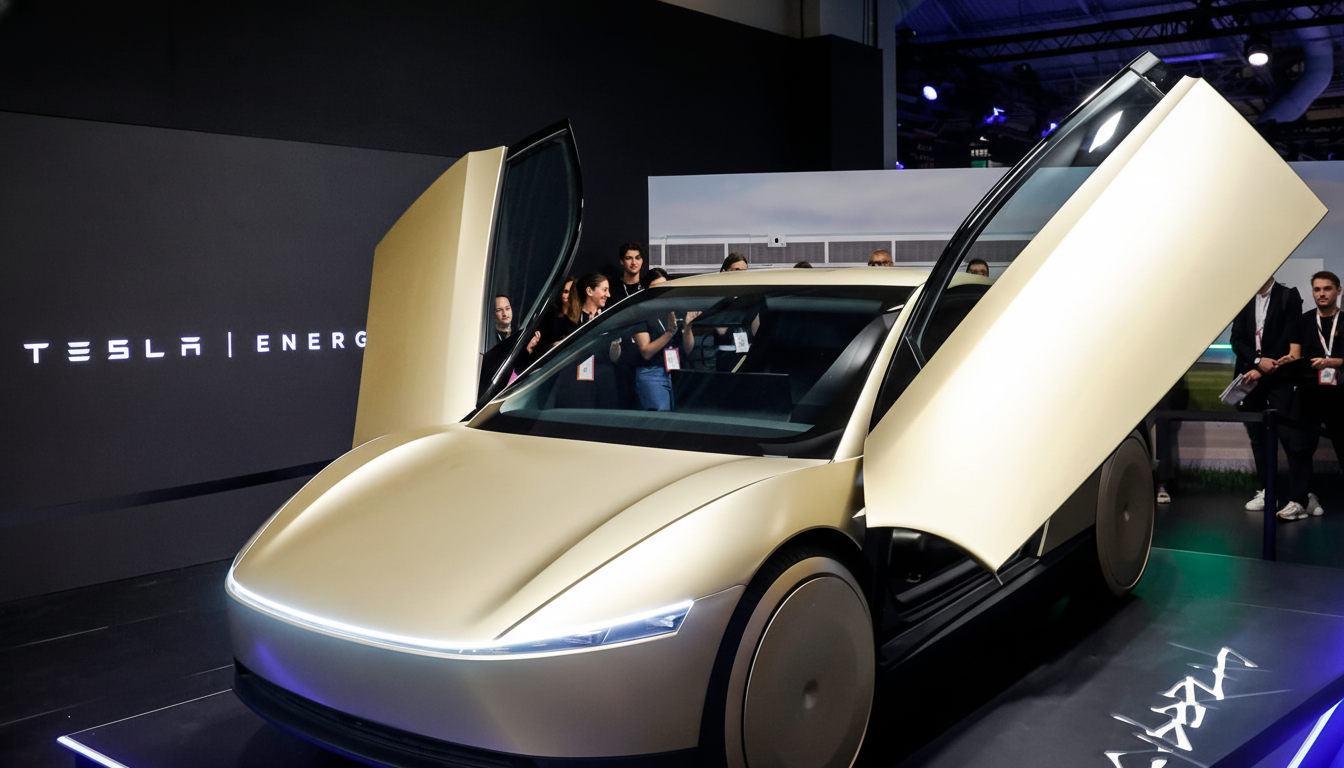
Though its public Robotaxi Rider Rules note that soiling a car may result in “additional fees” at Tesla’s discretion, the per-incident pricing details are being shared as rollout of the Austin service begins. The aim, Tesla says, is to maintain a clean cabin environment, promote responsible behavior, and reduce the time between vehicle uses.
How Tesla’s robotaxi cleaning fees compare with rivals
The policy falls in line with a playbook set across mobility services. Waymo, which runs the most analogous fleet of self-driving cars on the road, charges $50 if a passenger self-reports an incident with a mess inside, $100 for an unreported incident, and it can increase that fee if you’re a repeat offender by charging based on actual cleaning needs. More traditional rental brands are tougher on smoking: industry checkers have found fees of up to $400 at Hertz for puffing — often when cars need to be deodorized and detailed.
Ride-hailing platforms also penalize messes. Uber and Lyft have long had tiered cleaning fees that can range from $150 to $250 for a major incident; lower amounts are charged for smaller spills. Those structures were created not just to make back what it costs to clean the vehicles but also to discourage behavior that leaves cars on the sidelines — a major concern when usage drives revenue. So Tesla’s $150 severe-tier fee is an aggressive but not industry-leading price.
Enforcement and appeals in a driverless robotaxi service
Enforcement presents obvious issues in a driverless experience. Many operators have come to rely on cabin cameras to verify incidents and discourage fraudulent claims, and Tesla cars do include a cabin camera. The robotaxi service in Austin is not entirely driverless on all of its routes: It is a state-mandated requirement that, for certain trips, a human safety monitor must currently be present, creating another layer of verification when disputes arise about who or what caused the mess and when.
Best practices in shared mobility generally include using timestamped photos, trip logs, and accelerated cleaning escalation to keep vehicles on the road. When the fleet scales, think of Tesla doing something similar — faster turnaround times for messes of moderate severity and longer out-of-service times for severe problems that require deep cleaning or biohazard procedures.
Why The Fees Matter For Robotaxi Economics
And cleanliness isn’t cosmetic, I would add: It’s at the heart of robotaxi unit economics. Every unscheduled cleaning can sideline a car for 30 to 120 minutes, bottlenecking supply during periods of high demand. For autonomous fleets, which are programmed to work many more hours a day than private vehicles, that downtime multiplies rapidly. Fees defray costs and push rider behavior, while published rules establish expectations as services evolve beyond pilot to broader rollout.
There’s also a consumer confidence argument. It’s not just about software; early robotaxi adopters will judge reliability by cabin condition as much as anything else. Clear and consistently maintained policies eliminate friction, protect the experience for the next passenger, and give a framework to defend when such things happen. As with new businesses, the fee regimes (and maybe also the smoking ban and repeat-offender penalty restriction) are likely to spread widely across the sector as more cities vet ride services using driverless vehicles.
The path forward in Austin as Tesla scales robotaxis
Tesla’s trial in Austin provides hints at how the company will deal with such real-world snags of shared, driverless trips. By formalizing cleaning fees now, Tesla is suggesting that it will prioritize fast turnarounds and uniform cabin standards as it pursues scale. The policy might not earn it fans among riders who misjudge the post‑bar forecast, but it points to the economic and operational math every robotaxi operator is doing as autonomy inches its way from demo to daily commute.