


Tesla’s effort to erase a $243 million jury award over a fatal Autopilot crash has been rejected, leaving intact a high-profile verdict that assigns the automaker a share of blame for a tragedy tied to its driver-assistance technology.
A federal judge denied Tesla’s post-trial motion, finding the company largely repackaged arguments that had already been weighed and dismissed during trial. The ruling keeps in place a jury’s conclusion that Tesla bears responsibility alongside the driver in a 2019 Florida crash that killed Naibel Benavides and critically injured Dillon Angulo, and it preserves punitive damages assessed only against the automaker.
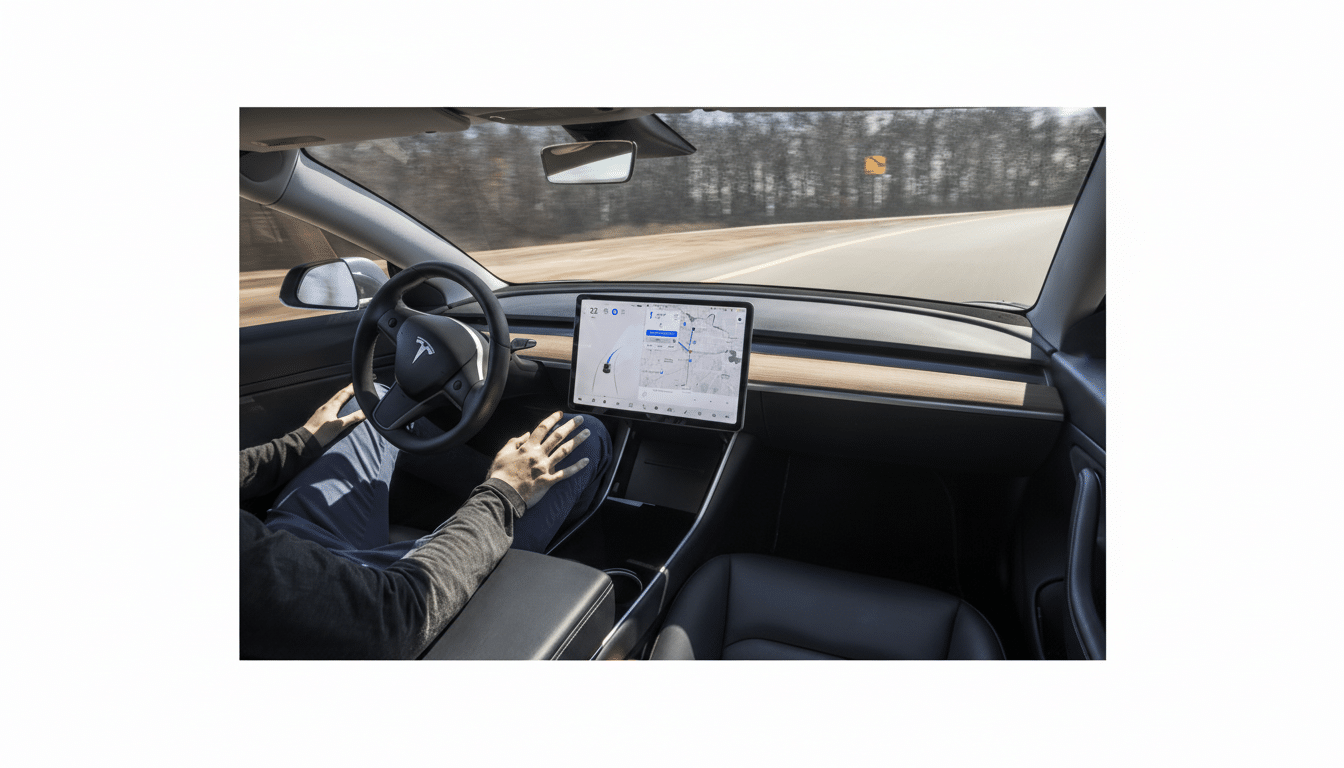
The Ruling And The Case Behind The Autopilot Verdict
U.S. District Judge Beth Bloom wrote that Tesla failed to introduce new facts or controlling law that would justify setting aside the verdict. Juries are afforded broad deference on questions of fact, and post-trial relief is typically reserved for rare circumstances—such as a complete lack of evidence or clear legal error—that were not present here, according to the decision.
The jury previously determined the driver carried two-thirds of the fault in the crash and allocated one-third to Tesla. Even with that apportionment, the panel singled out Tesla for punitive damages—an extraordinary step that signals jurors found the company’s conduct went beyond mere negligence. Tesla had argued the driver’s actions were the sole proximate cause, but the jury evidently agreed with plaintiffs that Autopilot’s design and safeguards were unreasonably dangerous in foreseeable use.
That allocation matters. Under comparative-fault schemes, a manufacturer is not absolved simply because a human fails; the question is whether product features and warnings reasonably anticipate misuse and mitigate it. The verdict suggests jurors believed Tesla could have done more to prevent overreliance on automation or to keep drivers engaged.
Why Autopilot Is Under Intensifying Legal Microscope
Tesla markets Autopilot as an advanced driver-assistance system that requires constant supervision, yet critics say the branding invites overconfidence. The National Transportation Safety Board has for years urged stronger driver monitoring and clearer operational limits for partial automation after probing multiple Tesla crashes where drivers failed to intervene. Those recommendations emphasize that “hands on” isn’t enough—systems must ensure “eyes on” and “mind on.”
Federal regulators have echoed those concerns. The National Highway Traffic Safety Administration compelled a broad software recall to bolster driver-engagement checks and reduce misuse risks in vehicles equipped with Autopilot. In a detailed analysis, the agency underscored that partial automation can lull drivers into complacency, especially on monotonous highways, and that the burden falls on system design to counter that human tendency.
Independent testers have raised similar flags. The Insurance Institute for Highway Safety introduced ratings for partial-automation safeguards and found meaningful differences in how well systems monitor driver attention, restrict use outside intended conditions, and prevent unresponsive operation. Tesla’s approach—largely steering-torque-based with camera checks layered in—has faced scrutiny for being easier to defeat than the most stringent peers.
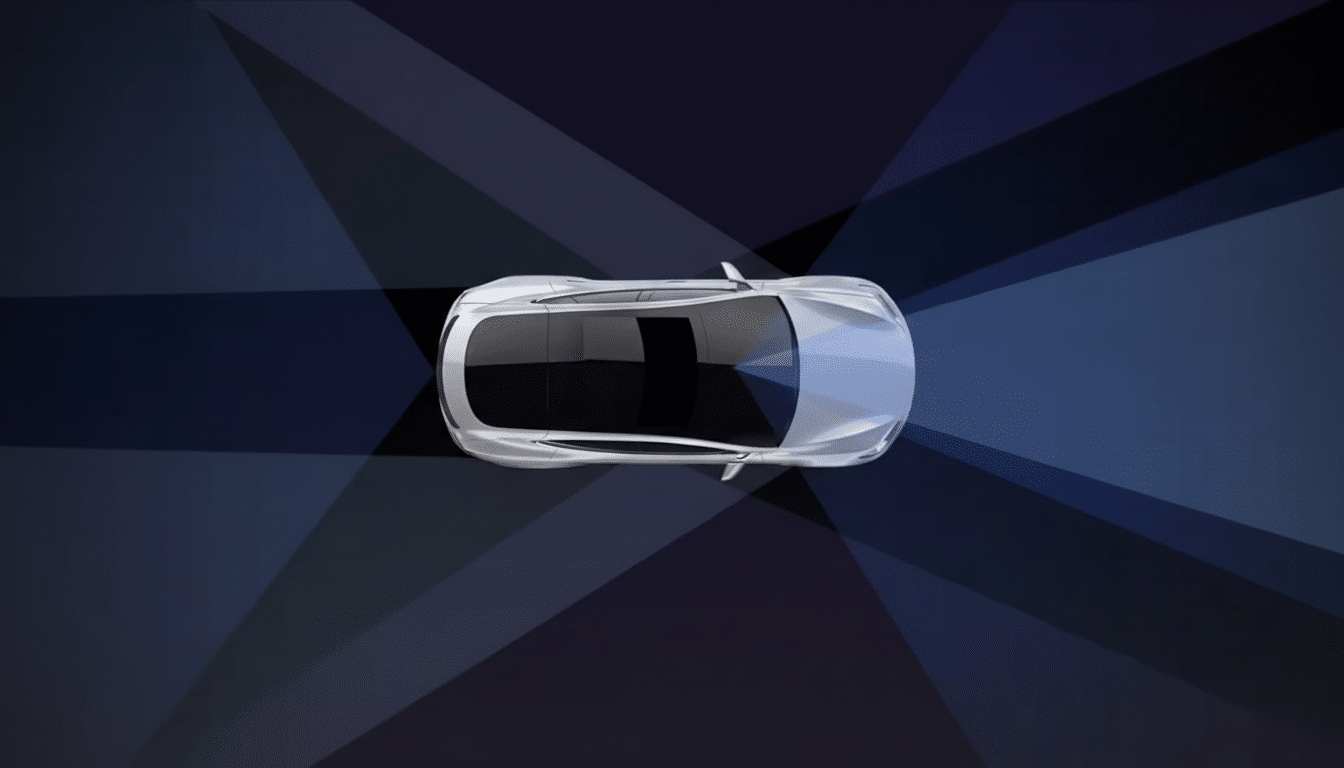
This case slots into that broader safety narrative. Plaintiffs argued Autopilot was susceptible to mode confusion and insufficient monitoring, while Tesla countered that drivers are warned to stay attentive and that the system is not autonomous. The jury’s decision indicates those warnings, as implemented, did not persuade them that Tesla met its duty of care.
Legal And Financial Stakes For Tesla After Punitive Ruling
Punitive damages heighten the risk profile. They are designed not just to compensate, but to punish and deter, and they often hinge on evidence of reckless disregard or willful misconduct. For an automaker leaning heavily on software-driven features as a competitive edge, a punitive finding can reverberate into insurance costs, reserves for litigation, and regulatory attention.
Tesla has prevailed in some Autopilot trials and settled others, illustrating the case-by-case volatility of product-liability litigation in an emerging technology area. But as data accumulates—from federal crash reporting to independent evaluations—plaintiffs have more material to work with. Even without precise cross-manufacturer apples-to-apples comparisons, NHTSA’s standing order on advanced driver-assistance crashes has produced hundreds of incident reports, with Tesla representing a large share due to extensive telematics. That visibility can be a double-edged sword: it speeds safety improvements while furnishing evidence for courtrooms.
Beyond civil suits, Tesla faces continuing regulatory scrutiny around driver-assistance marketing and performance. Any perception that post-recall measures fall short could invite additional probes or remedial actions. Investors, meanwhile, will watch for disclosures about potential appeals, legal contingencies, and any changes to how Autopilot and related features are gated, labeled, and monitored.
What Comes Next In Tesla’s Effort To Challenge Verdict
Tesla can seek review from the U.S. Court of Appeals, likely challenging the sufficiency of the evidence and the legal standards the trial court applied. Appellate courts defer to juries on factual findings, so the company’s best shot would hinge on claims of legal error, evidentiary rulings, or jury instructions—arguments that are inherently uphill in post-trial posture.
Regardless of the appellate track, the ruling reinforces a clear signal to automakers: in the era of partial automation, system design, naming, and driver monitoring will be judged together. If drivers predictably overtrust a feature, courts and regulators may view that as a design challenge to be solved, not a disclaimer to be ignored.
For consumers, the takeaway is unchanged but newly urgent. Autopilot remains a driver-assistance tool, not a substitute for attention. For Tesla and its rivals, the message is that engineering out misuse—through robust monitoring, stricter operational bounds, and unambiguous messaging—may be as critical as adding new capabilities.