


Tesla is pressuring the Environmental Protection Agency to keep in place current vehicle emissions standards, taking a formal position on regulations put in place before it existed — and one that contradicts its rivals’ push for weaker rules. The appeal lands just as former President Donald Trump derides climate change as a “con job,” accelerating political pressure over rules that direct the future of the auto industry and the nation’s carbon trajectory.
Tesla Parts With Rivals Over Emissions Standards
In formal comments to the EPA, Tesla also says that the current framework is workable and essential for cutting down on pollution from transportation, which by far is the biggest source of greenhouse gas emissions in this country, according to government inventories. The change “would have the effect of stifling innovation and bringing investment certainty to a screeching halt for manufacturers, suppliers, charging operators, and other infrastructure,” the company said.
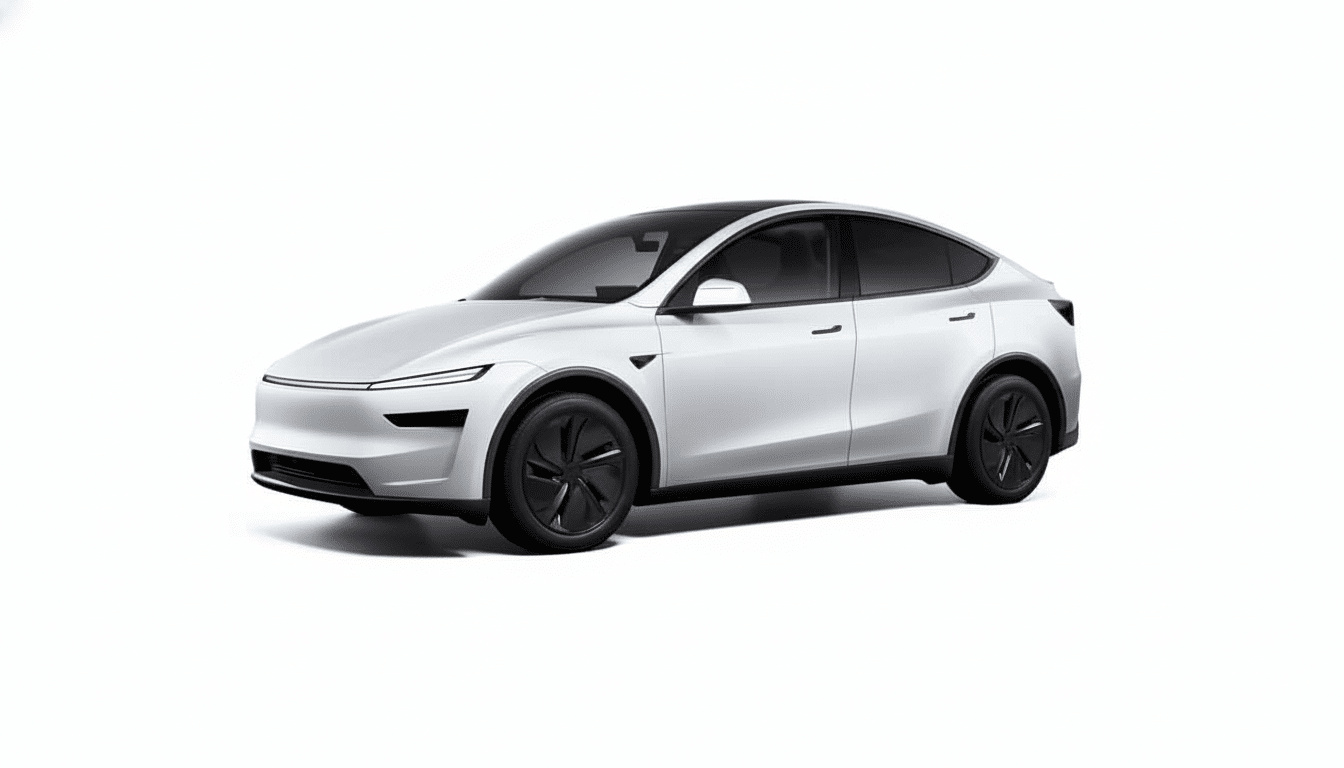
That has put Tesla at odds with some legacy automakers and their trade groups, which push for more time, additional flexibilities, or slower annual targets. Industry excuses usually revolve around supply chain limitations, charging buildout, and consumer adoption curves. Tesla rebuts that the technology roadmap — from efficient power electronics through batteries and software — broadly supports continued tightening, particularly if regulators give predictable lead times and testing protocols are harmonized.
The Keystone Is The Endangerment Finding
At the center of Tesla’s filing is a defense of that 2009 Endangerment Finding, which legally established that greenhouse gases endanger public health and welfare. Based on the Supreme Court’s Massachusetts v. EPA decision, that finding is the foundation of modern climate rules for vehicles, power plants, and other sources — as well as regulations aimed at methane leakage. Tesla terms the finding’s record “robust” and rooted in mainstream science as embodied in reviews from the National Climate Assessment and the Intergovernmental Panel on Climate Change.
Reversing that finding would ripple well beyond tailpipes, potentially deadening a number of climate protections at the same time.
Transportation makes up about a third of U.S. emissions, and tightening vehicle standards is among the quickest ways to reduce oil consumption, improve air quality, and cut consumer fuel costs. EPA and Department of Energy analyses, time and time again, have proved that at the pump, more efficient fleets would let drivers pocket thousands of dollars over a vehicle’s life cycle — with climate damages not included in such calculations.
Politics Presses Climate Policy Amid Intensifying Rhetoric
The EPA has been taking public comment on potential changes to emissions rules and the climate findings that underpin them. Agency leadership has employed combative rhetoric, at one point describing climate policy as a “religion,” suggesting an appetite for broad reversals. Trump’s comments at the United Nations, decrying climate change as a “scam,” are just one example of how partisan polarization now permeates technical rule-making.
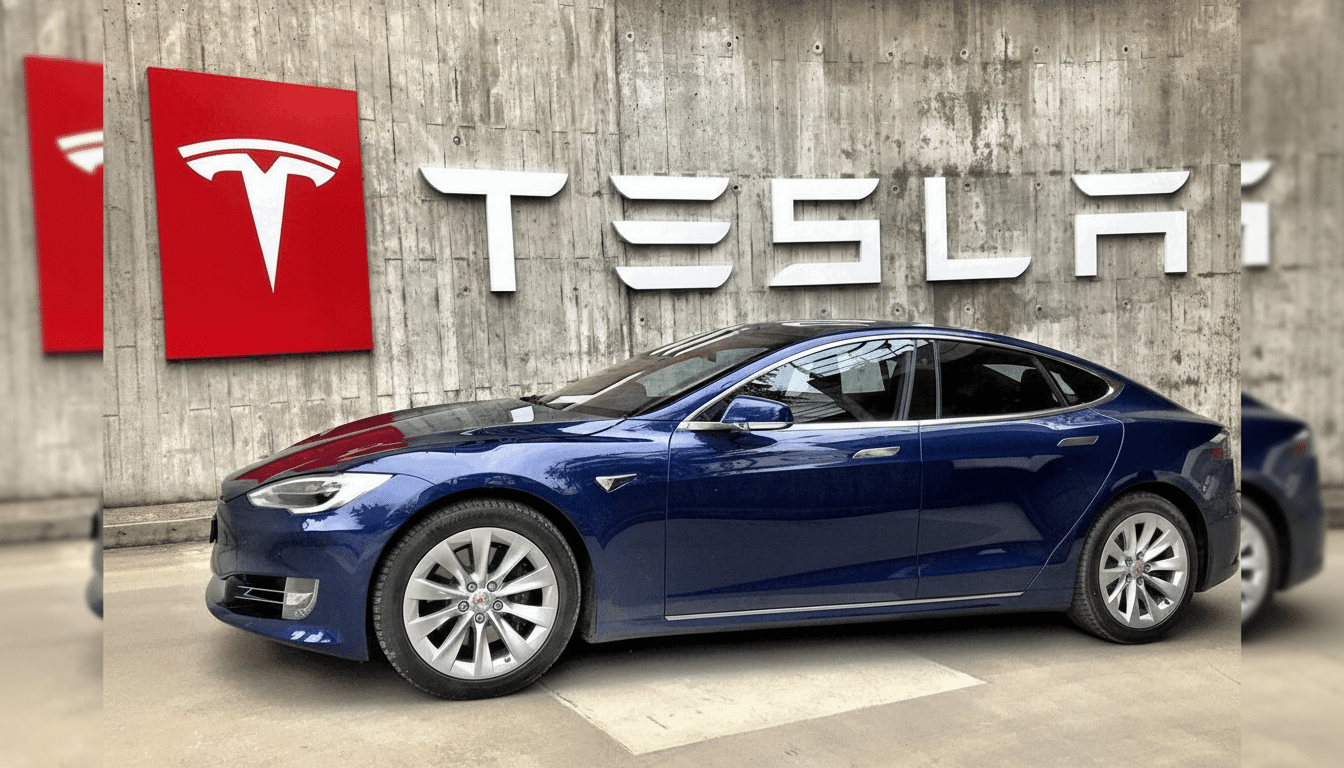
Tesla’s stance also comes in the face of political ties being closely scrutinized. While Mr. Musk has supported Trump and conservative causes, Tesla’s business is in line with emissions abatement. Tougher rules have been good for the company in the past, partly through sales of regulatory credits to manufacturers that miss compliance targets. The mastering of this system is building Tesla a pretty penny, as company financial filings reveal the electric vehicle maker has made billions from these credits over time — money used to boost expansion as the EV market upticks. Those credits largely come from California’s Zero-Emission Vehicle program, which is in turn a common target for politicians.
Why Strict Emissions Rules Are Still Critically Important
Beneath the policy fight lies a simple market reality: Technology costs are falling and performance is improving. Costs for battery packs are down from 2010 levels by 80–90%, with substantially more energy-dense and fast-charging tech in place, say analysts at BloombergNEF. Meanwhile, EVs are closing in on 1 out of every ten new U.S. light-duty sales, and seeing far greater penetration on the coasts, or within fleets where total cost of ownership drives purchase decisions.
Thoughtfully designed standards can lock in these gains by indicating enduring demand for low-emission technologies, providing suppliers with confidence to invest. Tesla’s letter gestures at this balance, noting that it is willing to consider simplified compliance mechanics — credit banking, transparent lifecycle methodologies, and aligned state-federal testing protocols — even as the stringency of regulation remains high.
What To Watch For In The EPA Emissions Rulemaking Process
No matter how it lands, the EPA’s rulemaking will face plenty of legal — and political — fire, from challenges to federal authority to California’s waiver and cost-benefit assumptions. Auto manufacturers will also press on phase-in timing and multi-pollutant approaches that combine CO₂ limits with criteria air pollutants and durability needs.
For Tesla, the math is simple: predictable, aggressive standards support its primary objective of speeding up sustainable energy — and help create competitive advantage. The calculation would be broader for regulators, balancing consumer savings against public health benefits and energy security — all at the cost of generating headwinds on an election calendar. What goes on in this docket will influence not just the next generation of models, but the emissions trajectory of an entire sector.